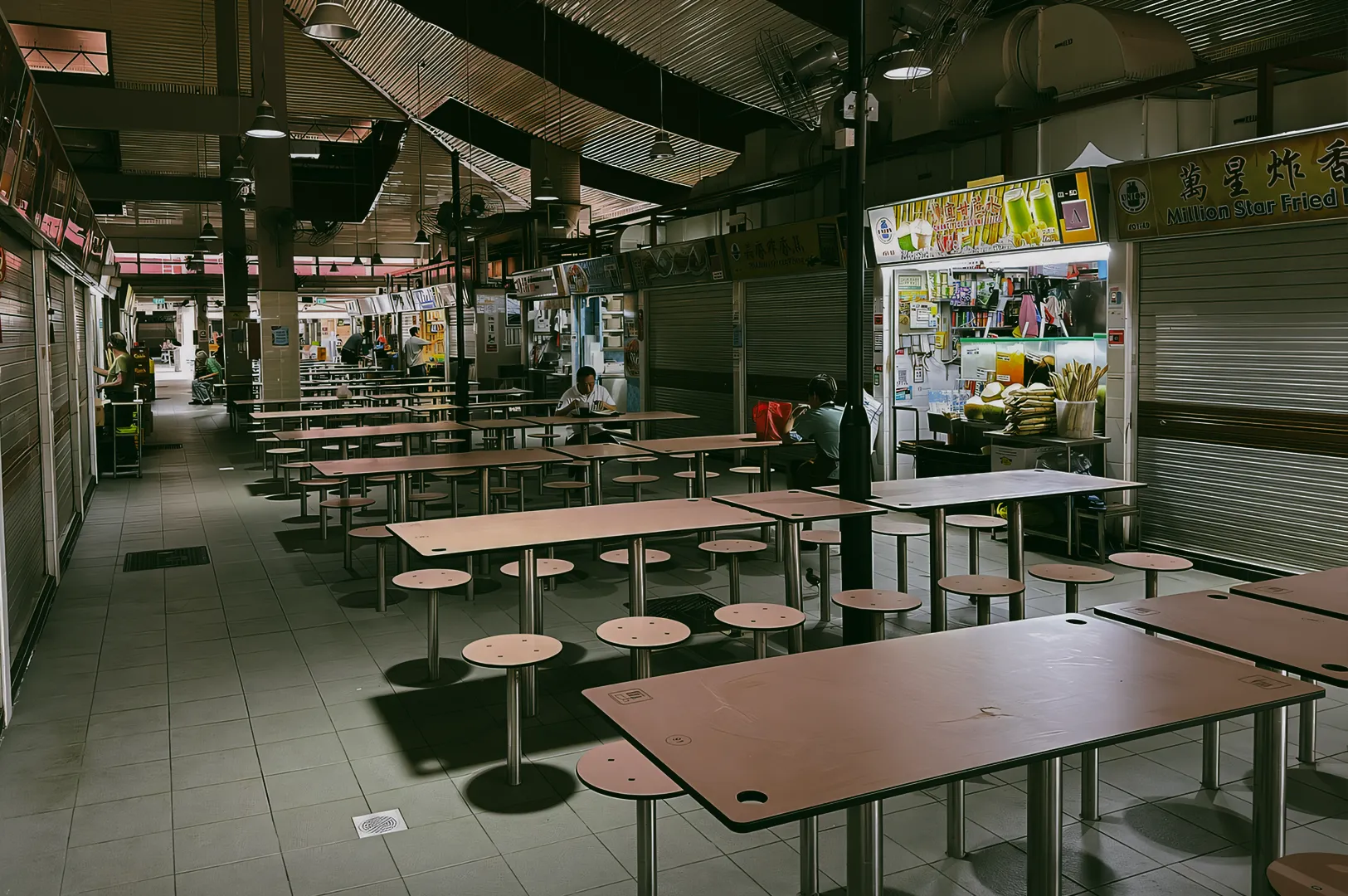

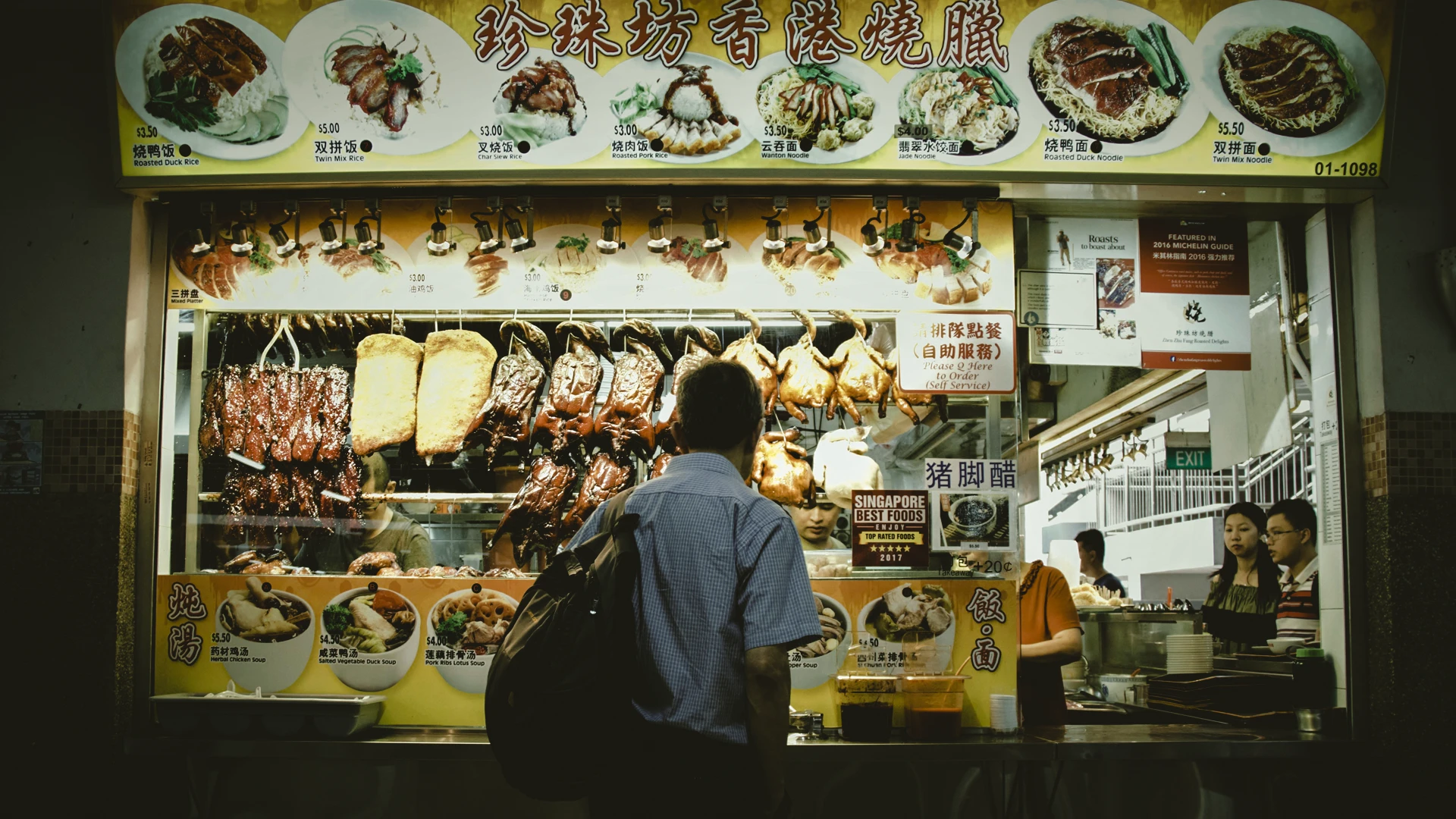
I didn’t notice anything new at first.
That’s what I told myself, standing in front of the stall I hadn’t visited in a while. It looked the same in the way places do when you return with a memory already formed—everything fitting too easily into what you expect to see.
The sign was still slightly faded at the edges. The metal counter carried the same dull sheen, worn down not by time exactly, but by repetition. Even the way the utensils rested—angled, not perfectly aligned—felt familiar in a way I couldn’t immediately place.
I stood there longer than I needed to.
At first, I thought I was waiting for something to change. A new dish, a different movement, a shift in pace. Something that would confirm that time had passed here the same way it had elsewhere.
But nothing announced itself.
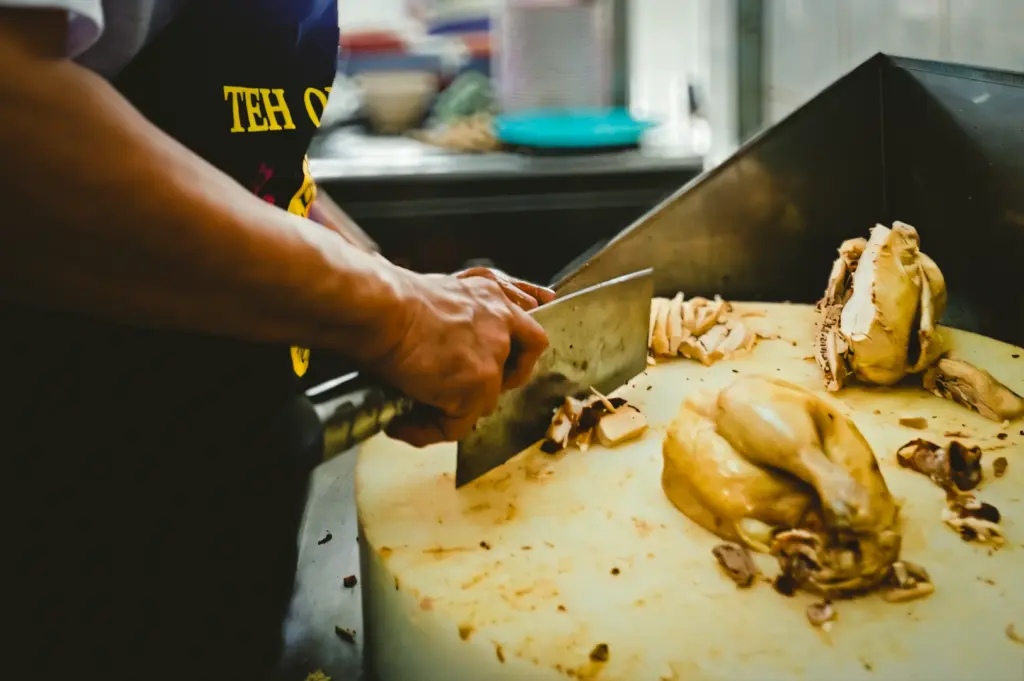
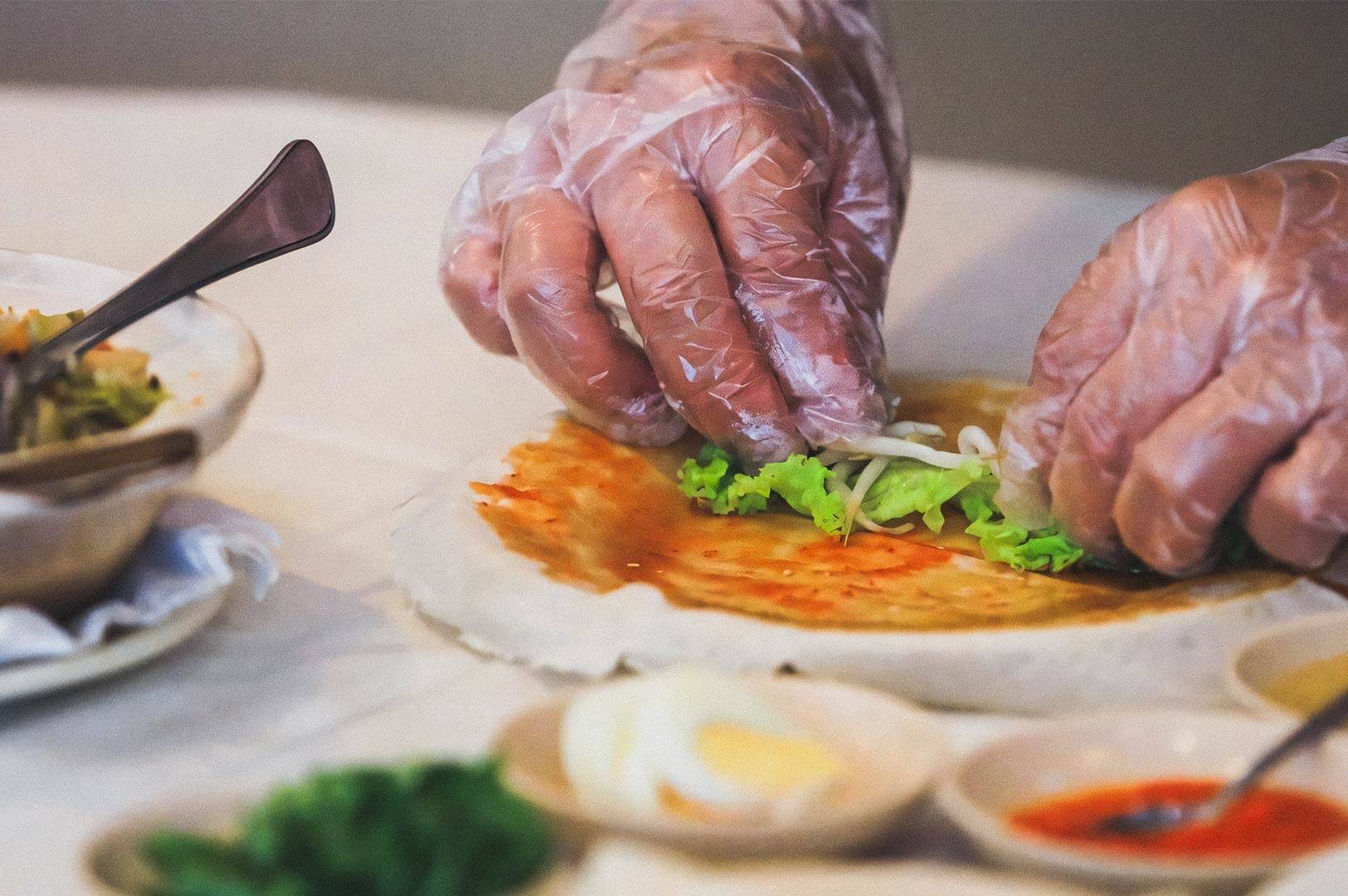
The hands moved the same way I remembered. Not quickly, not slowly—just with a kind of certainty that didn’t need adjusting. Ingredients reached for without looking. Motions completed before they fully began. It wasn’t performance. It was continuation.
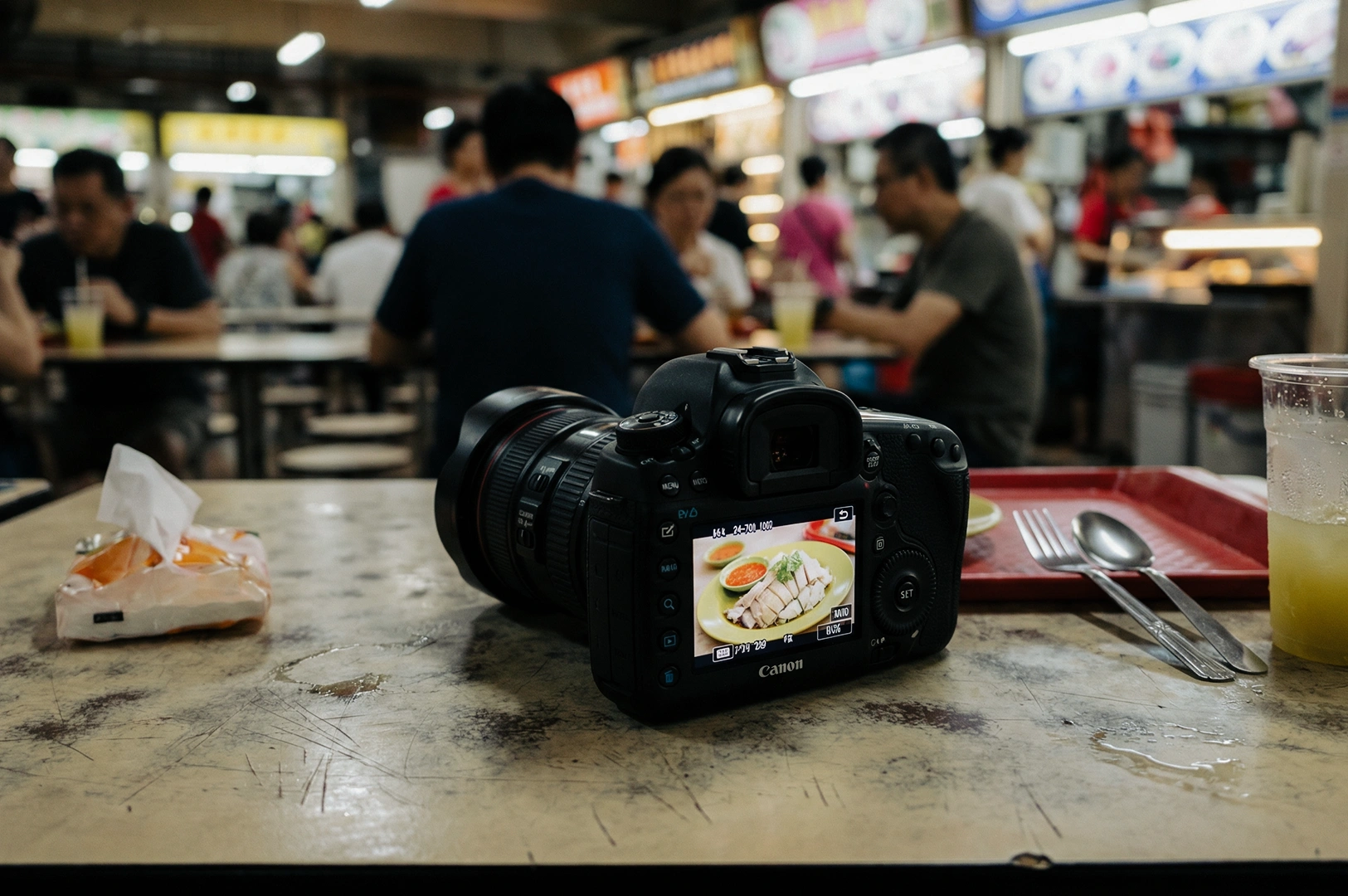
I lifted my camera, then lowered it again.
It felt unnecessary to interrupt something that hadn’t asked to be noticed. The rhythm wasn’t hiding, but it wasn’t presenting itself either. It simply carried on, as if it had been doing this long before I arrived, and would continue long after I left.
Only after a while did I begin to see what was different.
A new container, slightly out of place among the others. A cloth that had been replaced, cleaner but folded the same way. The queue forming a little further back than I remembered, as if the space had quietly adjusted itself without asking anyone.
Small changes, almost careful not to be seen.
They didn’t alter the stall. They sat within it, absorbed into something already established. If I hadn’t stayed, I might have missed them entirely, or mistaken them for how things had always been.
I realised then that I had been looking in the wrong direction.
Change wasn’t what defined this place. It was what remained steady enough to hold it together—the repetition, the placement, the way each action returned to itself without hesitation.
What didn’t change gave shape to what did.
I took a few photos eventually, though they felt less like capturing something and more like acknowledging it. The same angle I might have chosen before. The same framing. Nothing that insisted on being different.
When I stepped away, the stall looked unchanged again.
Or maybe I had just learned where not to look first.
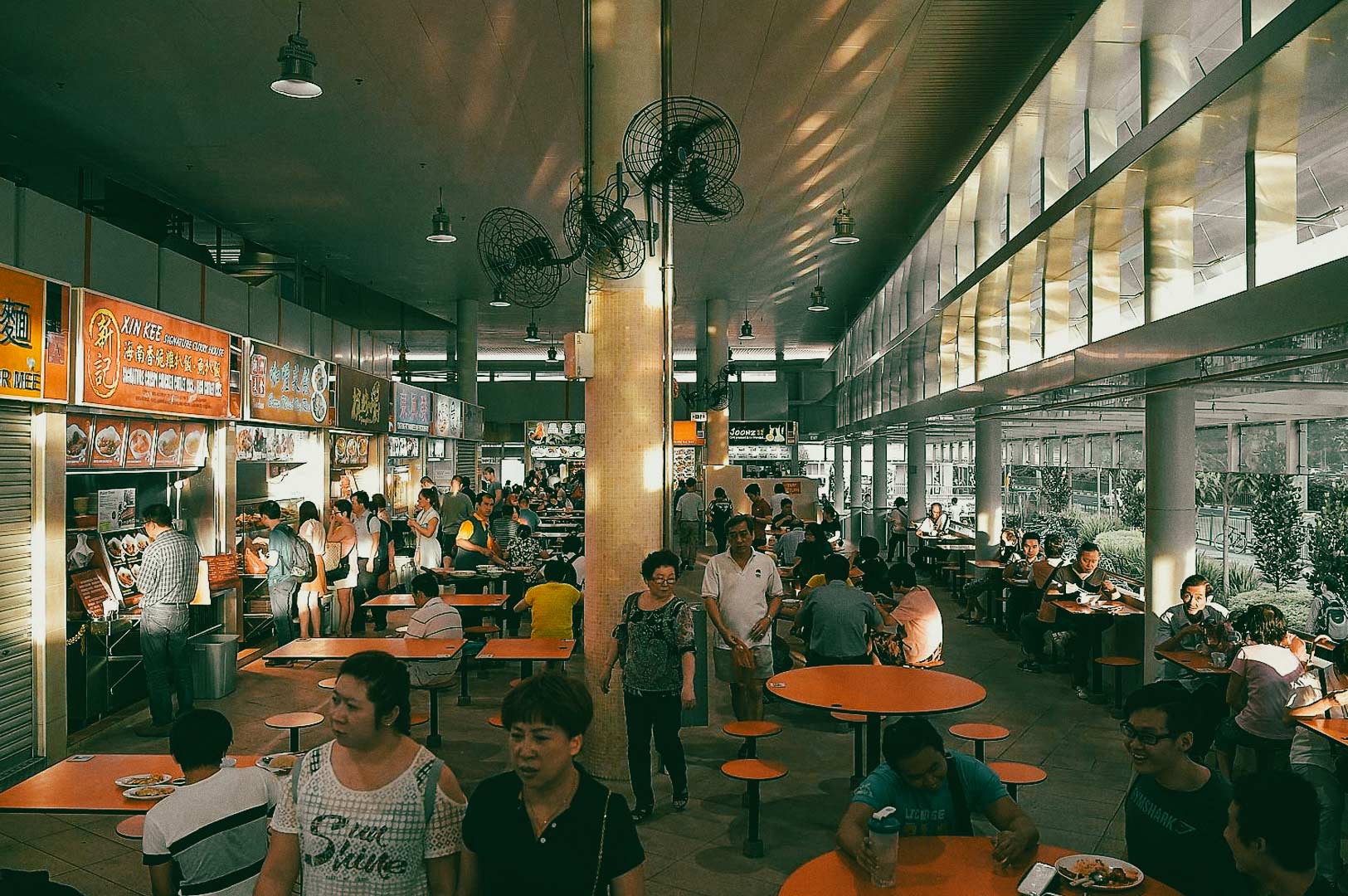
It’s carrot cake from Bedok Interchange Hawker Centre. It looks the way it looked earlier, and the way it will look later. The consistency is not a flaw. It’s the reason it fits so easily into the day.