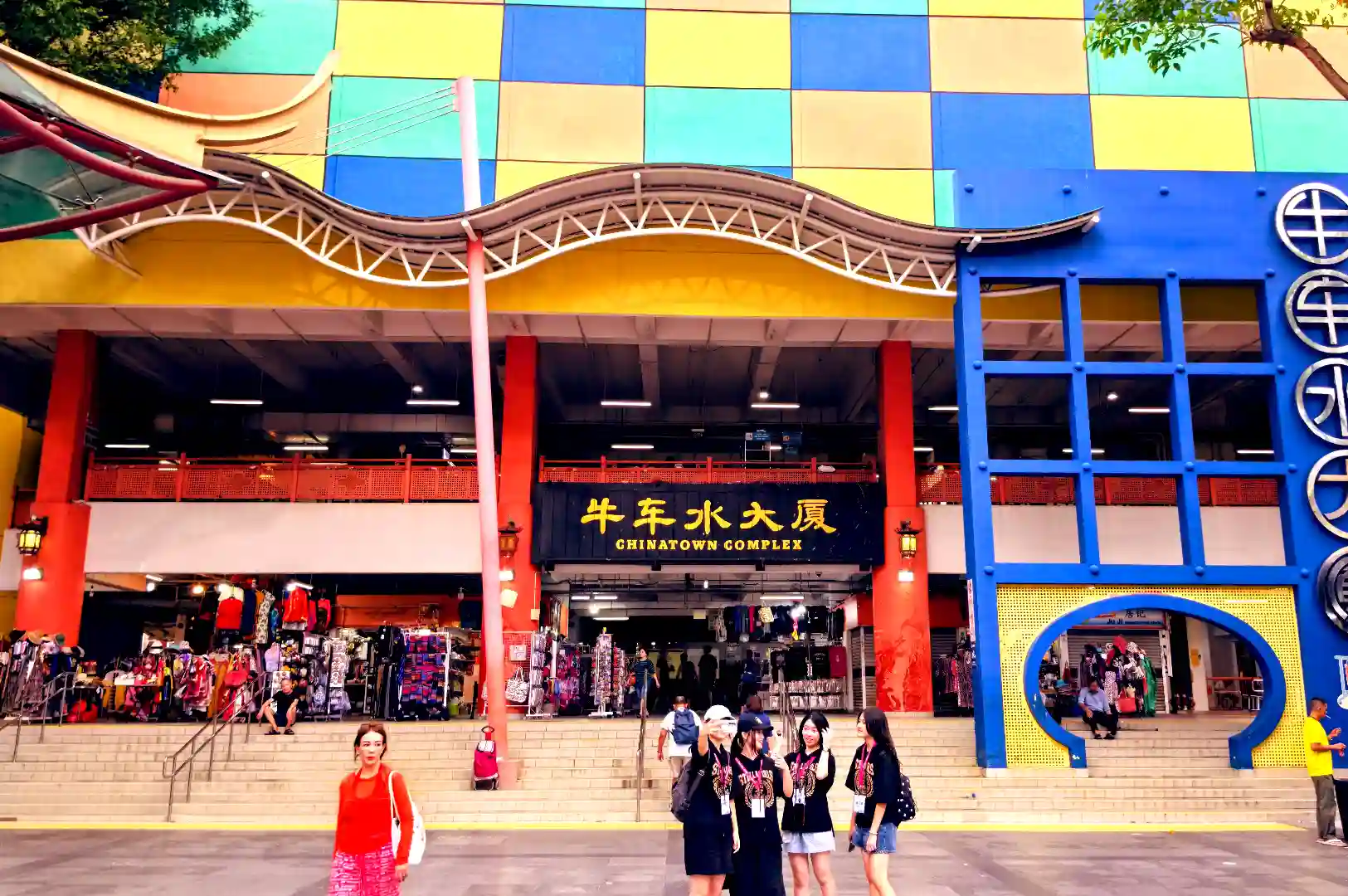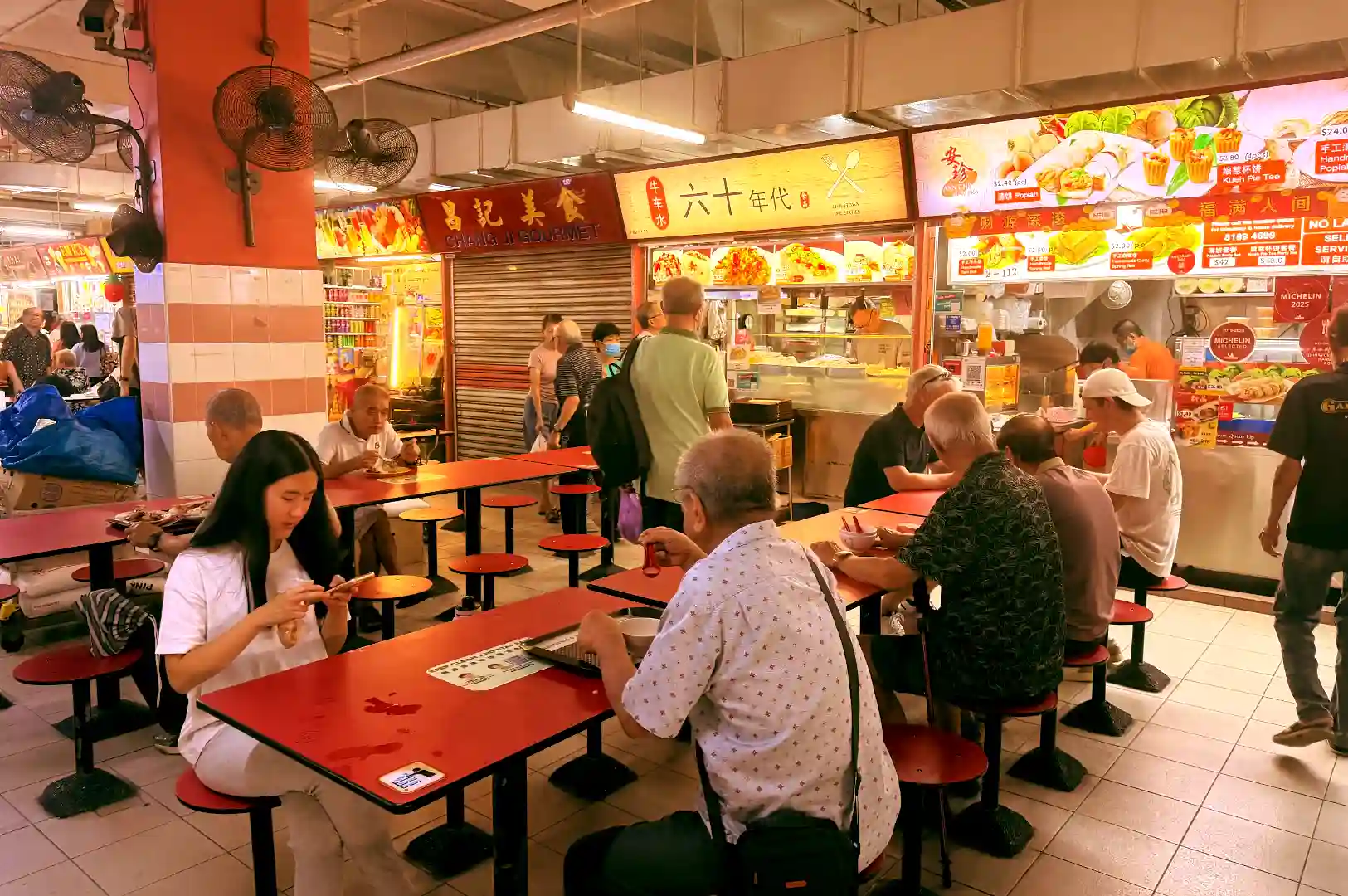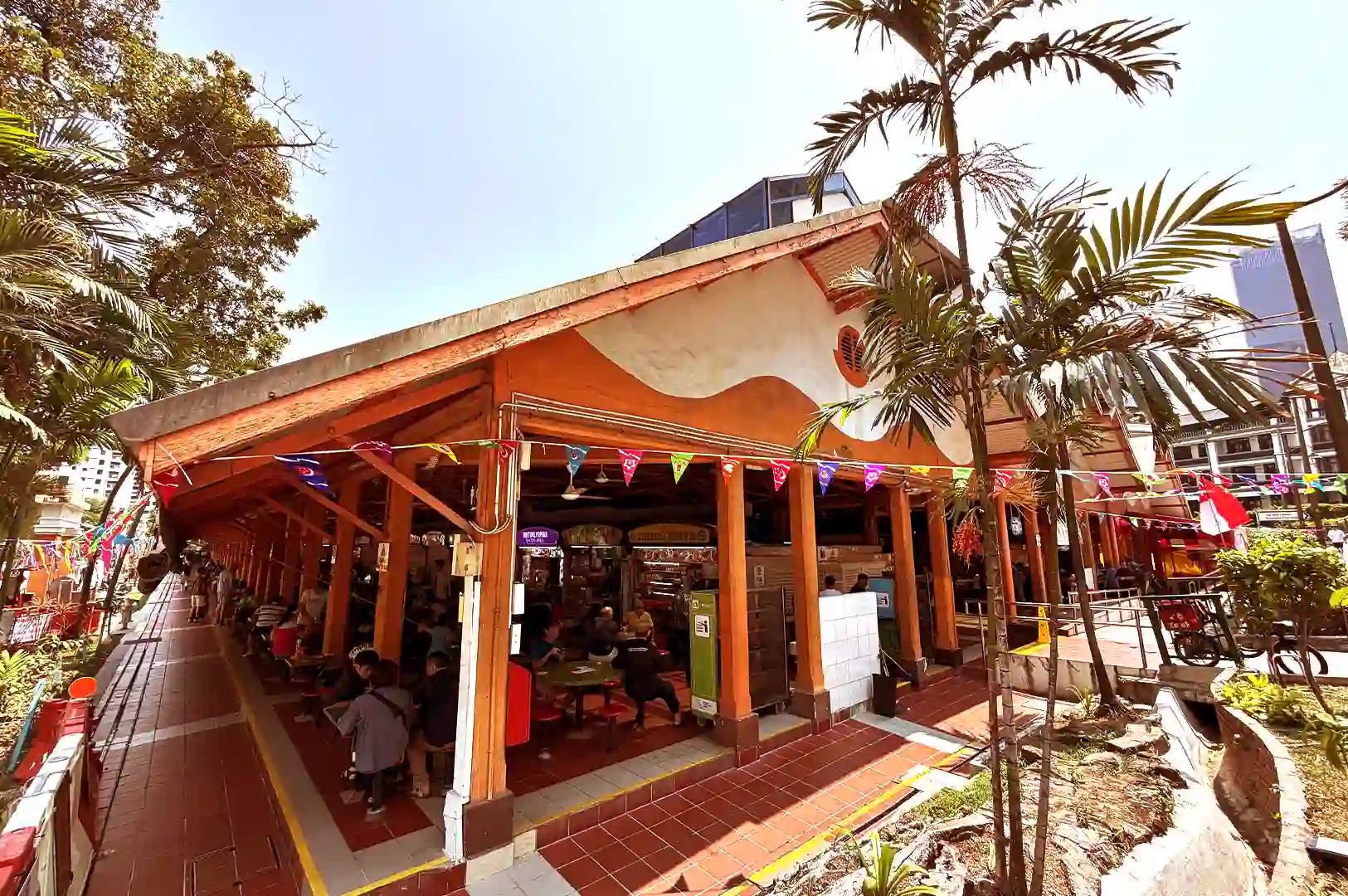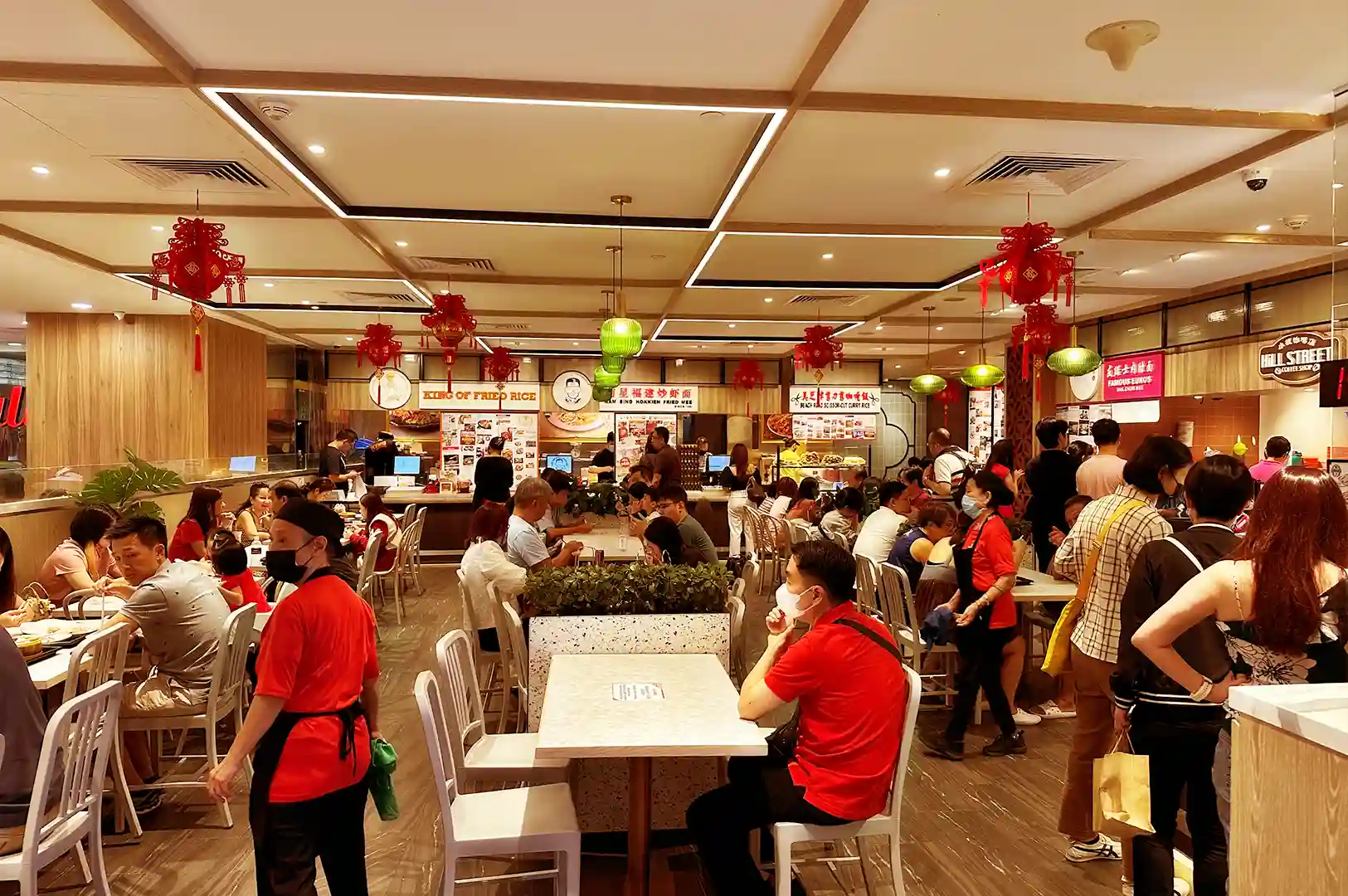

In the early hours of the day, Lau Pa Sat feels almost shy. Before the satay smoke rises and before evening crowds gather, the centre opens itself to daylight. Stalls preparing kaya toast, cups of coffee, and simple breakfasts move slowly, unhurried. Somewhere nearby, dough is worked for roti prata, while a pot simmers quietly for laksa, not yet rushed into service.
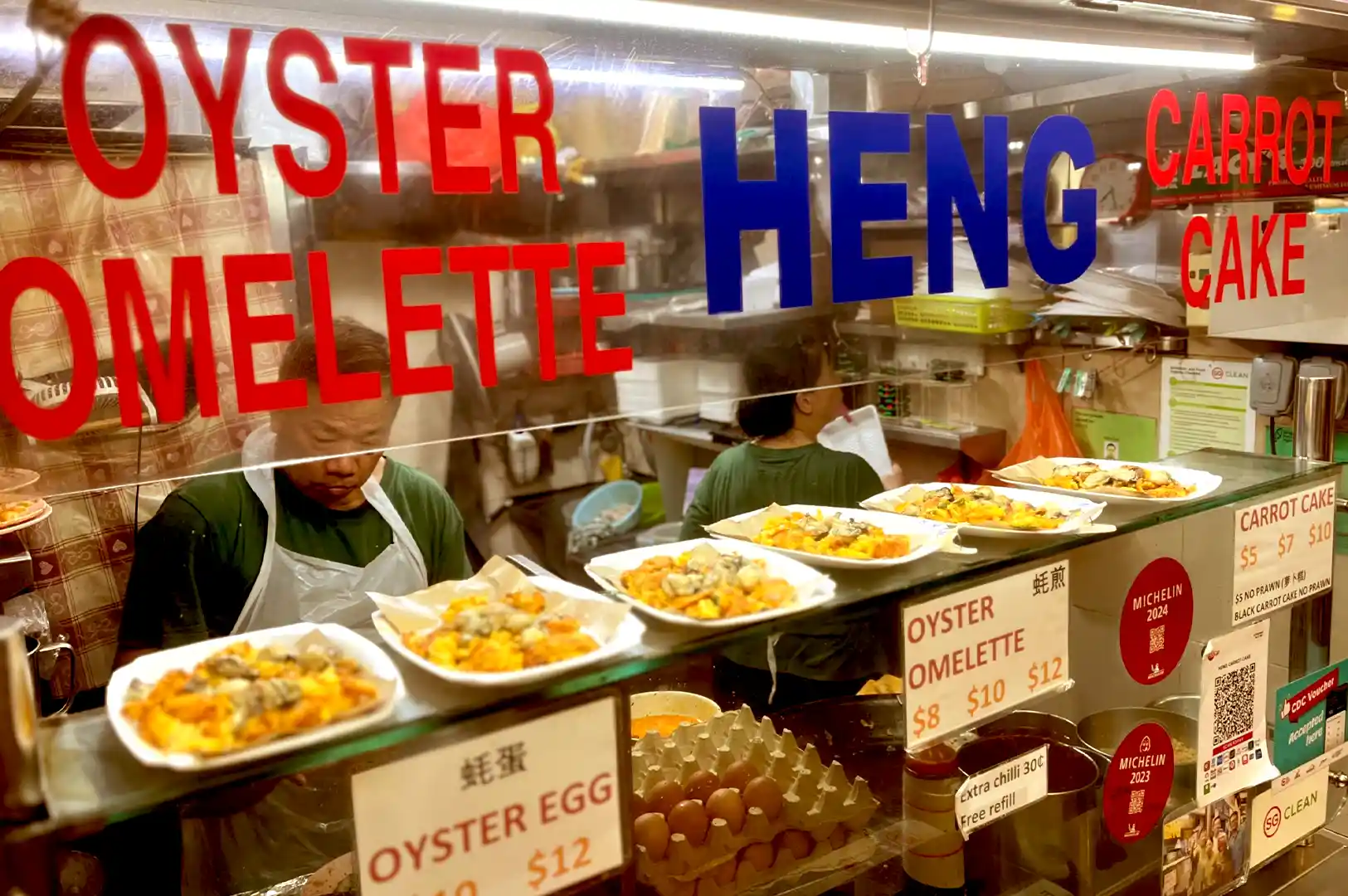
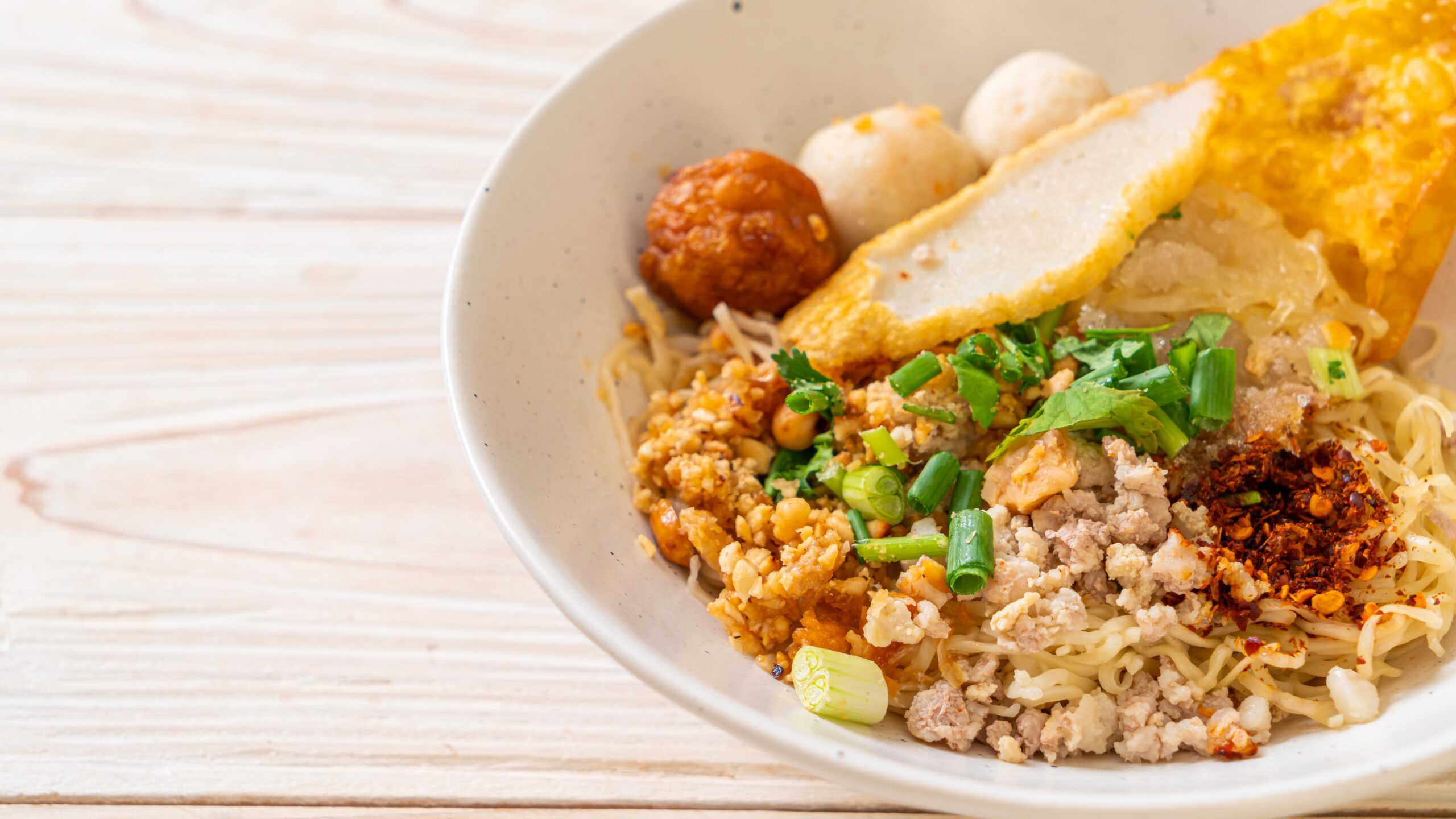
As the morning stretches on, the pace remains kind. A few tables fill with people eating fish ball noodles or a modest plate of chicken rice, meals chosen out of habit rather than excitement. There is no hurry to finish. No need to compete for seats. Even dishes that usually draw attention at night — satay, oyster omelette, char kway teow, hokkien mee — wait patiently for later hours.
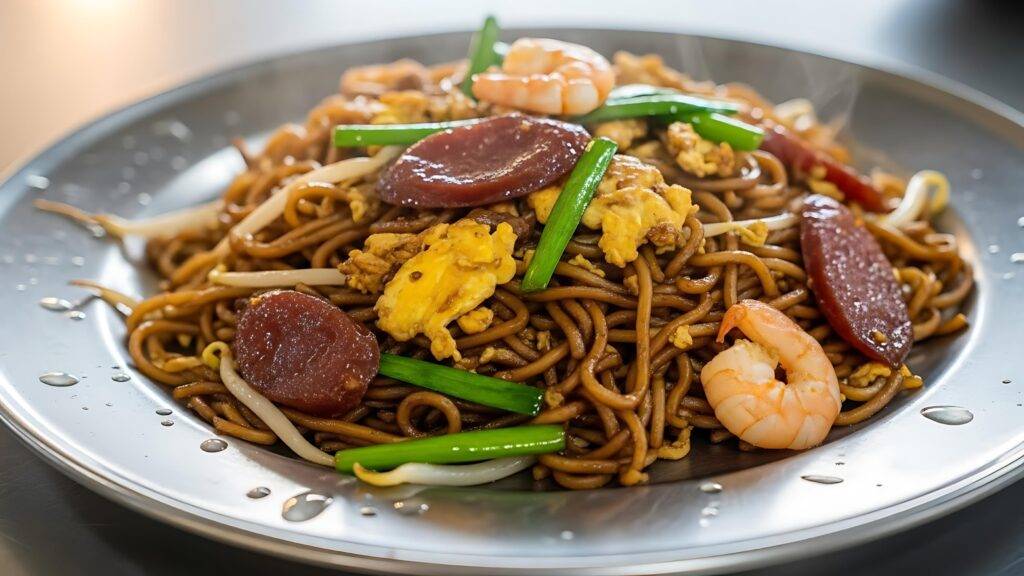
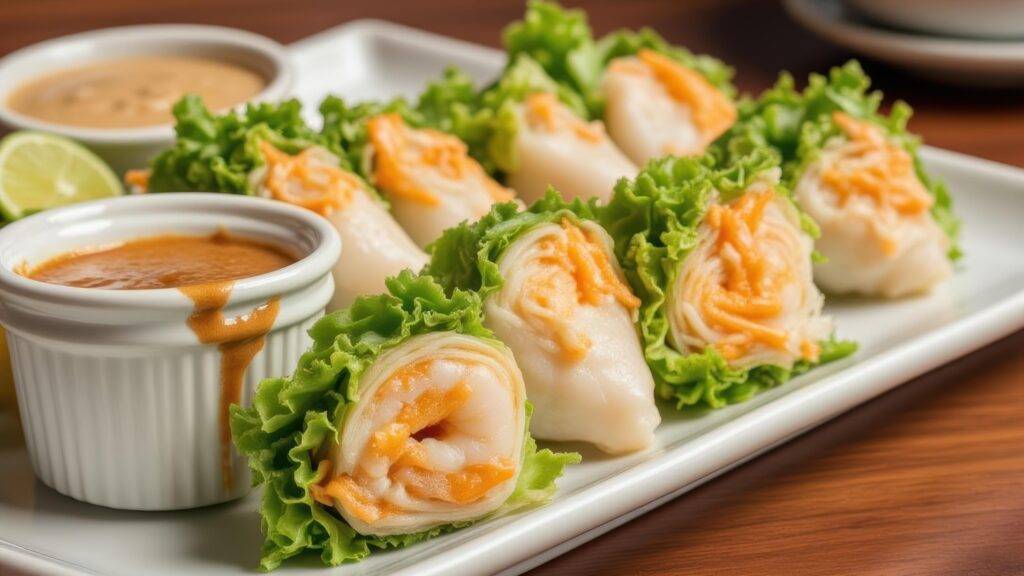
What stands out most is how comforting the ordinary becomes. A stall assembles nasi lemak with careful familiarity. Another prepares bak chor mee, movements practiced and calm. Nearby, carrot cake sizzles softly, while popiah skins are handled gently, almost tenderly. These dishes, so often photographed at their loudest, feel different here — quieter, closer, more personal.
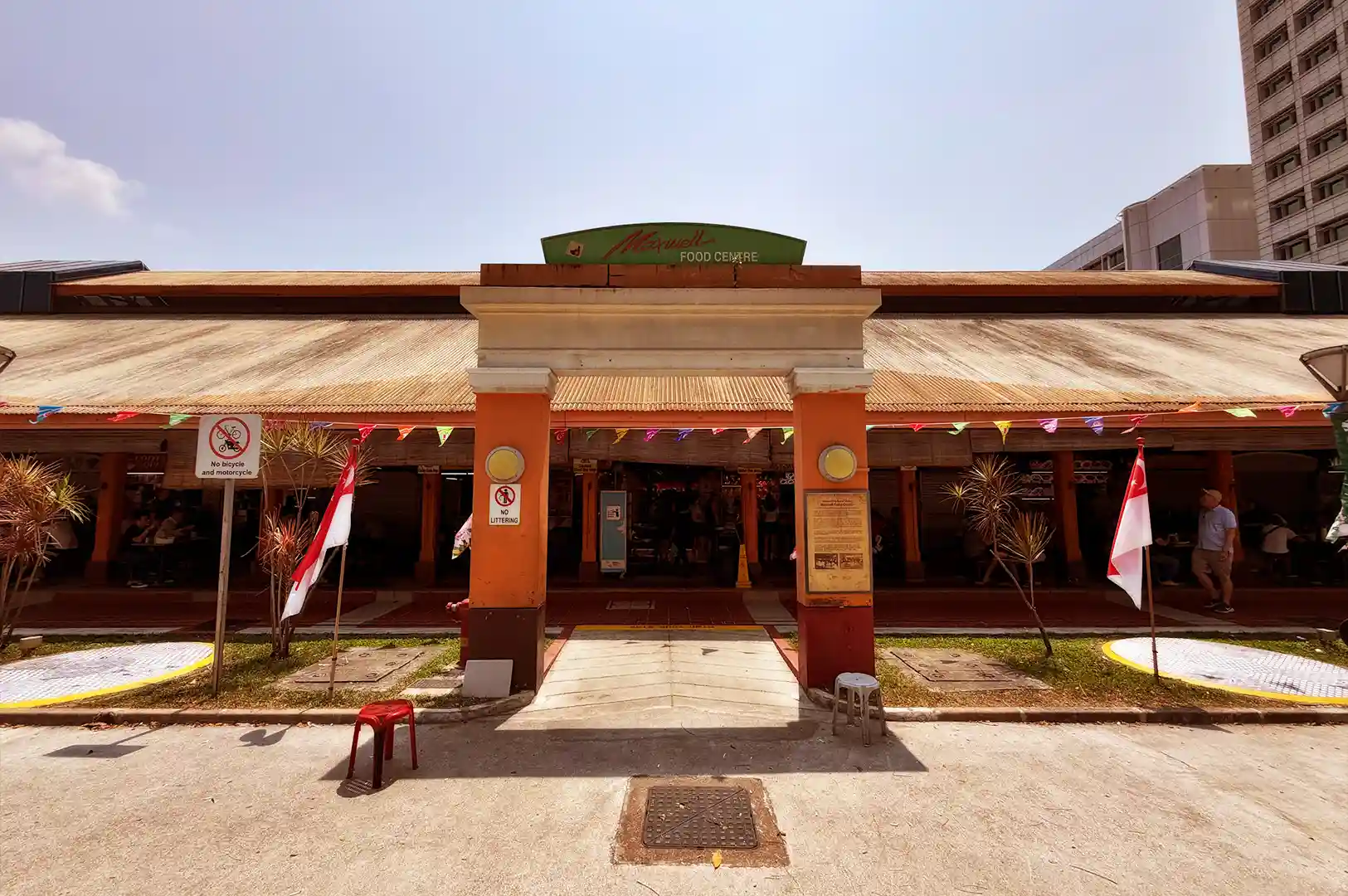
That sense of quiet familiarity isn’t unique to Lau Pa Sat. We’ve noticed it elsewhere too, especially at Maxwell Food Centre, where return visits reveal the same patterns of routine and repetition in
By midday, a few diners share rojak, chatting softly, while others finish bowls of prawn mee, wiping tables before standing up. The space still holds its ease. Nothing is being performed. Everything is simply done.
Seen in daylight, Lau Pa Sat feels less like a destination and more like a place that takes care of people. Before the crowds return and the tempo shifts, it exists in this gentle state — offering familiar food, steady routines, and a reminder that even well-known dishes have softer moments if you arrive early enough.
If these quieter moments speak to you, explore more stories and images of hawker culture at hawkerphotography.com.sg.