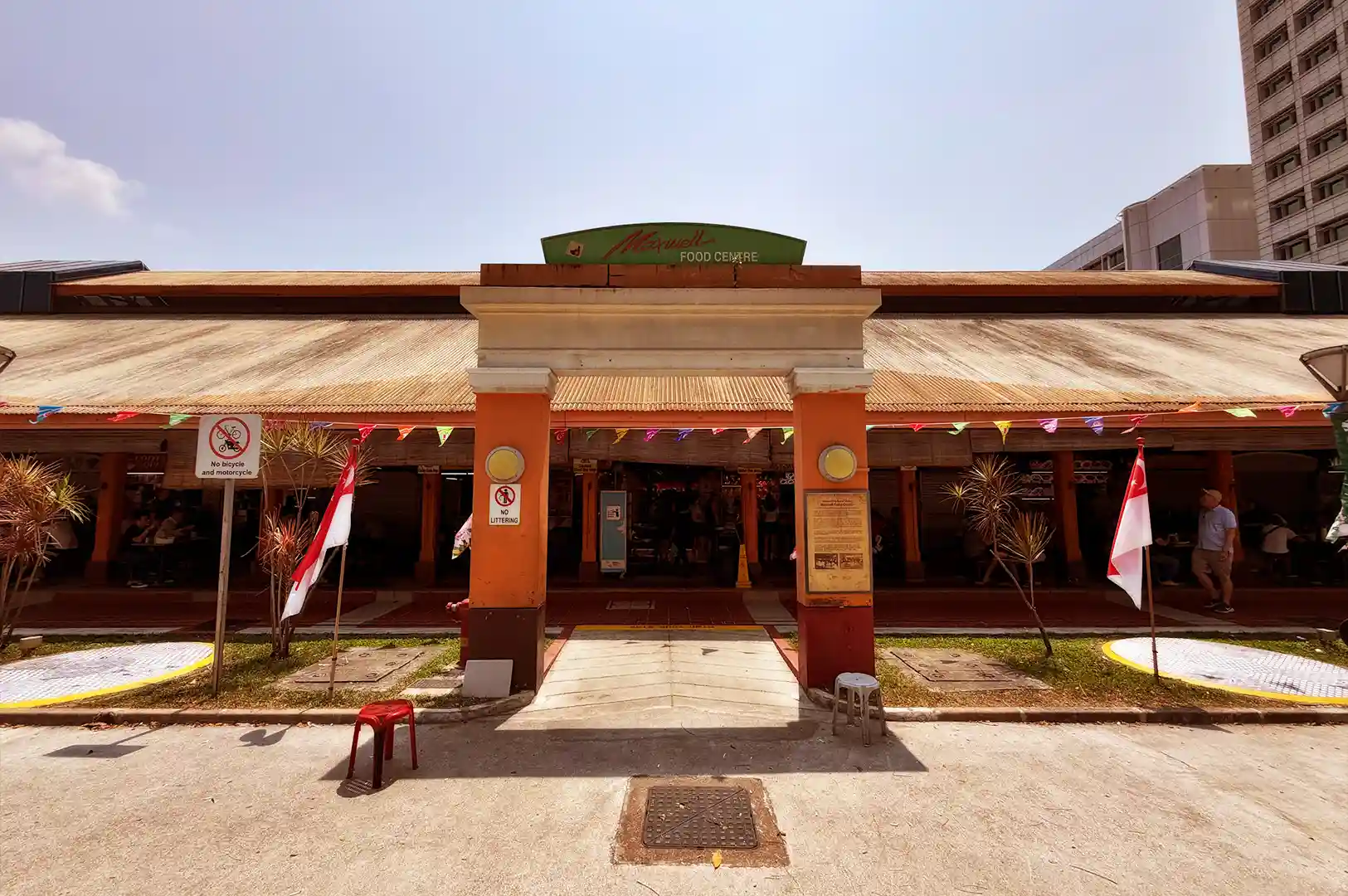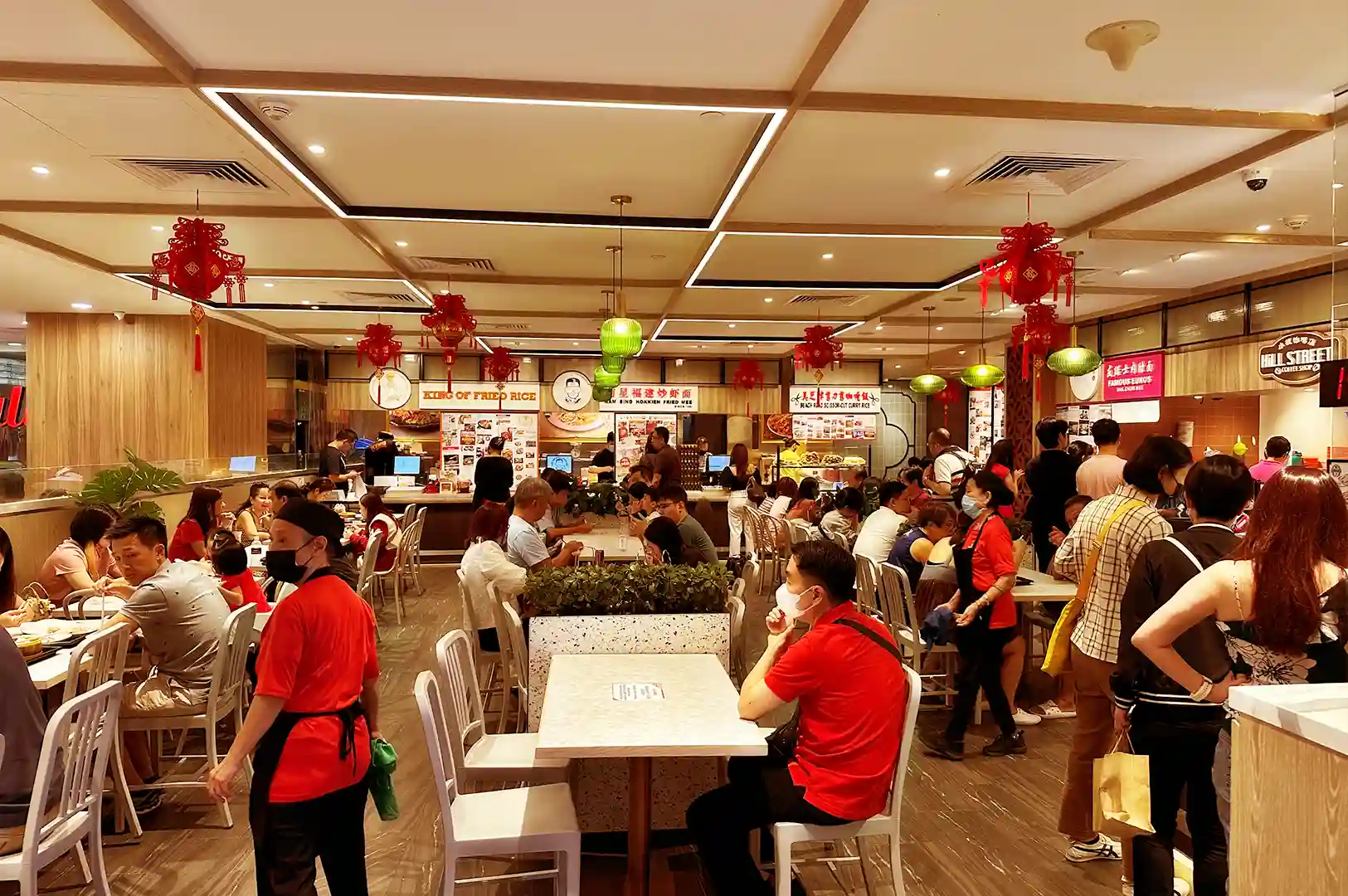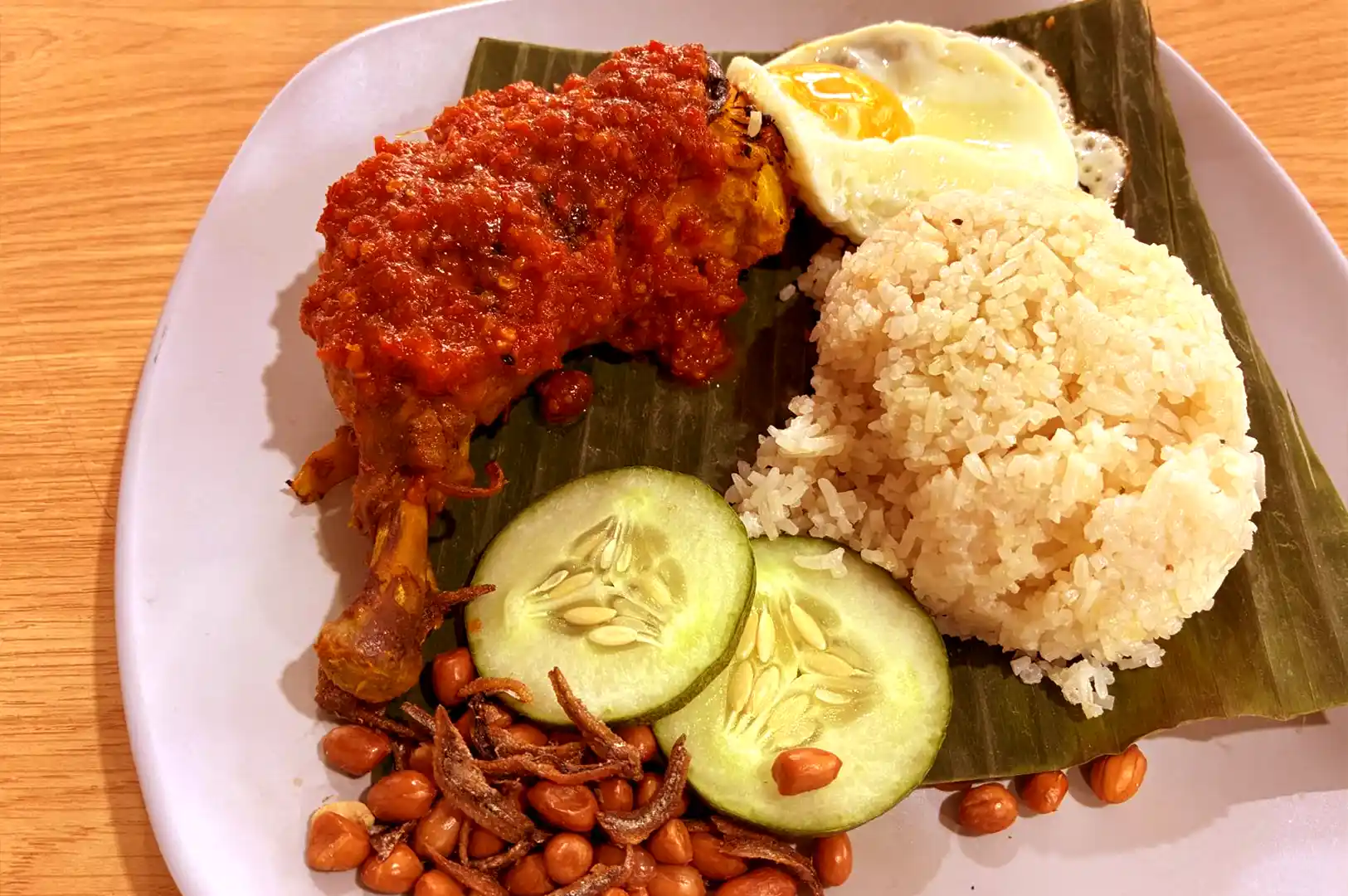

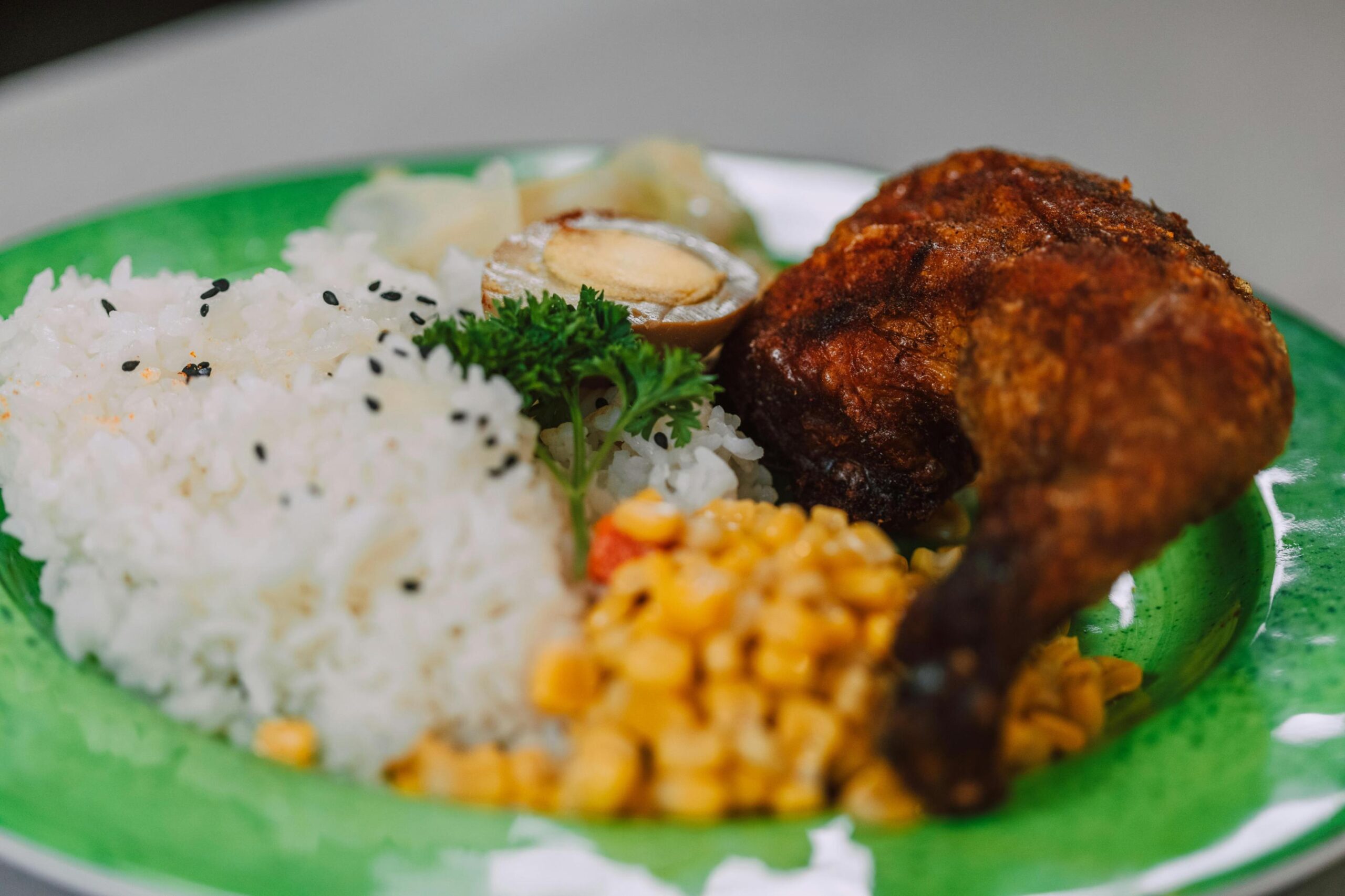
At Maxwell Food Centre, return visits rarely happen by accident. The centre rewards those who move through it slowly, paying attention to how stalls operate and how crowds form. Over time, certain stalls stand out not because they demand attention, but because they hold it. These are the places people return to without needing reminders.
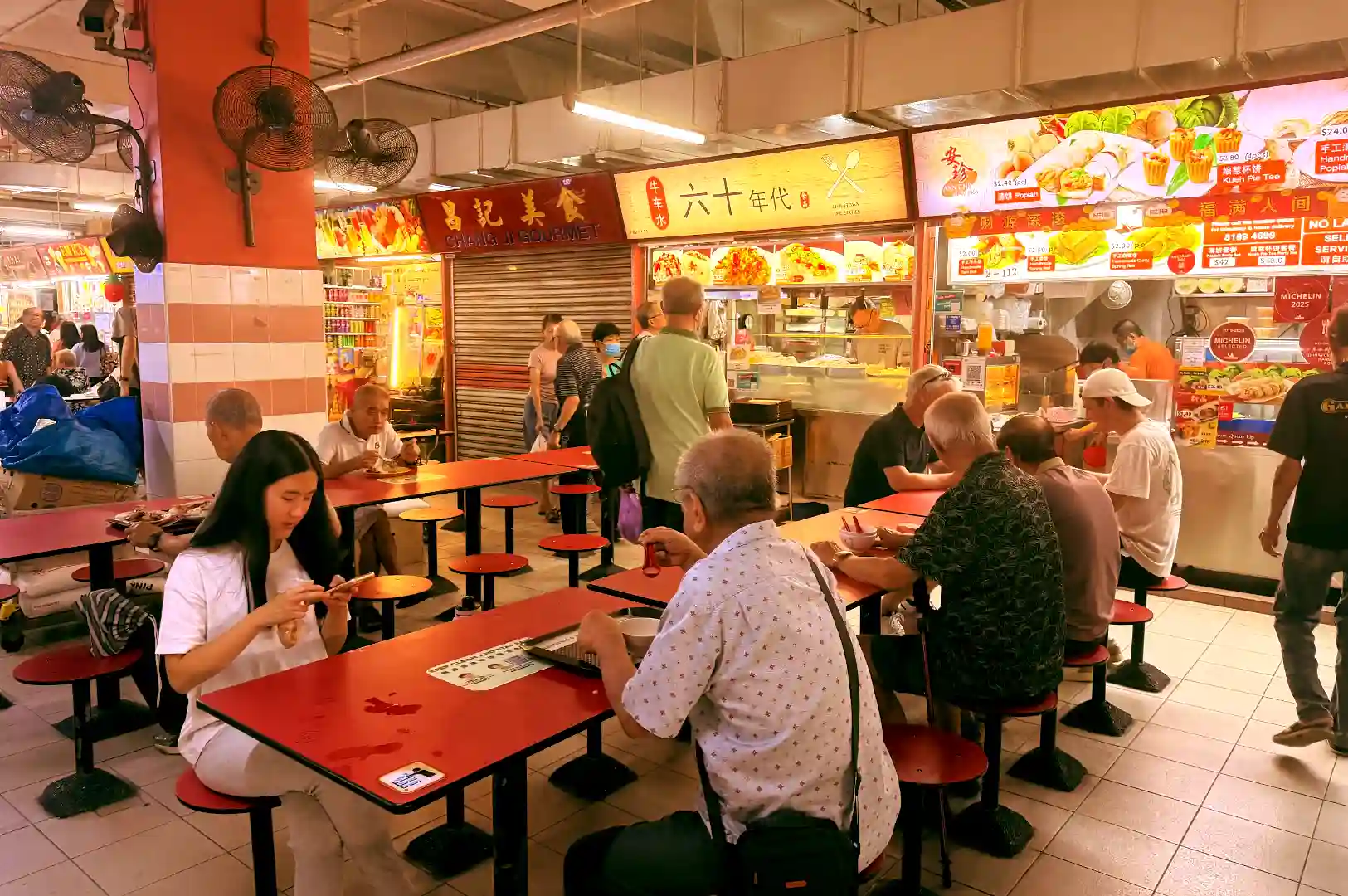
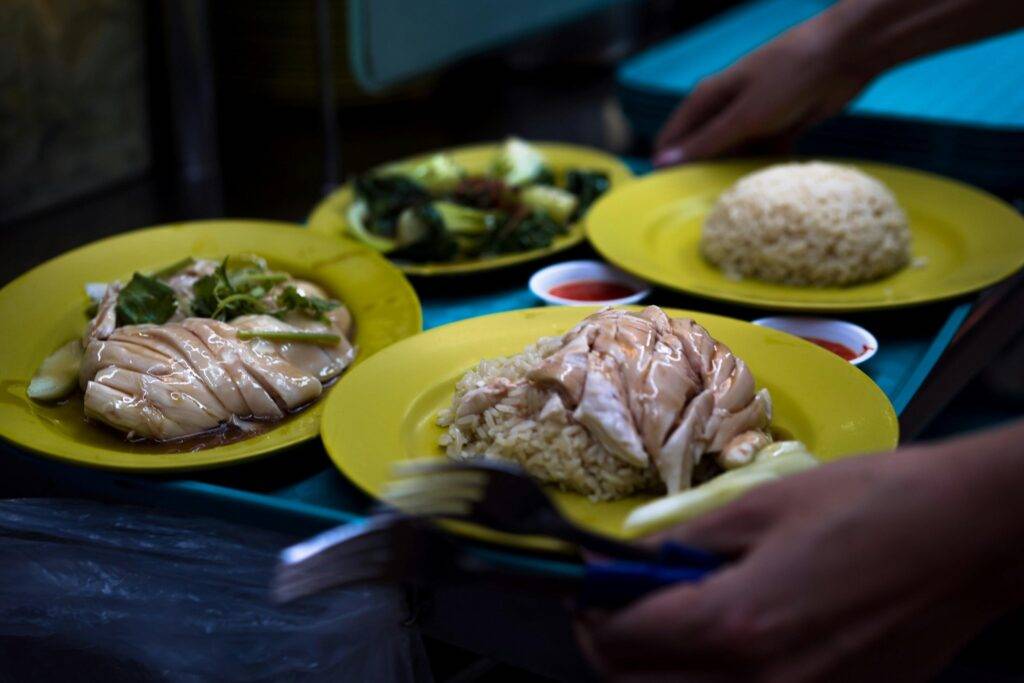
In the earlier part of the day, the pace is deliberate. Stalls open in a familiar sequence, and regulars arrive with clear intent. Orders are placed efficiently, queues form without confusion, and food moves steadily across counters. Some diners pick up a plate of chicken rice on the way to work, while others settle into routine breakfasts, knowing exactly how long they’ll be there.
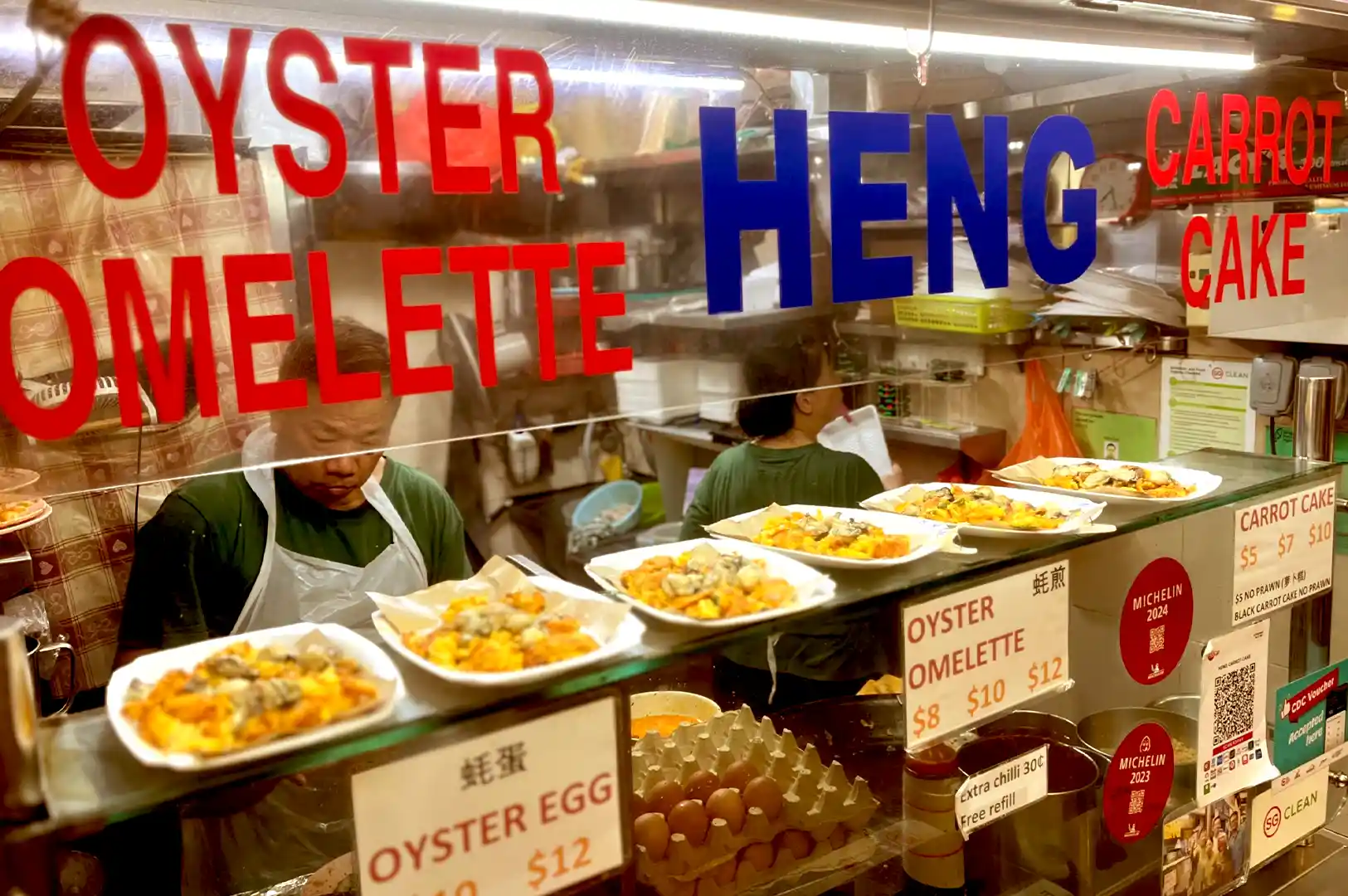
What connects the stalls people return to is consistency in execution. Portions are predictable. Timings are reliable. Techniques don’t shift unnecessarily. Whether it’s a familiar noodle order or something assembled quickly during the lunch rush, the appeal lies in how smoothly the process runs. Hawkers here build trust through repetition, not novelty.
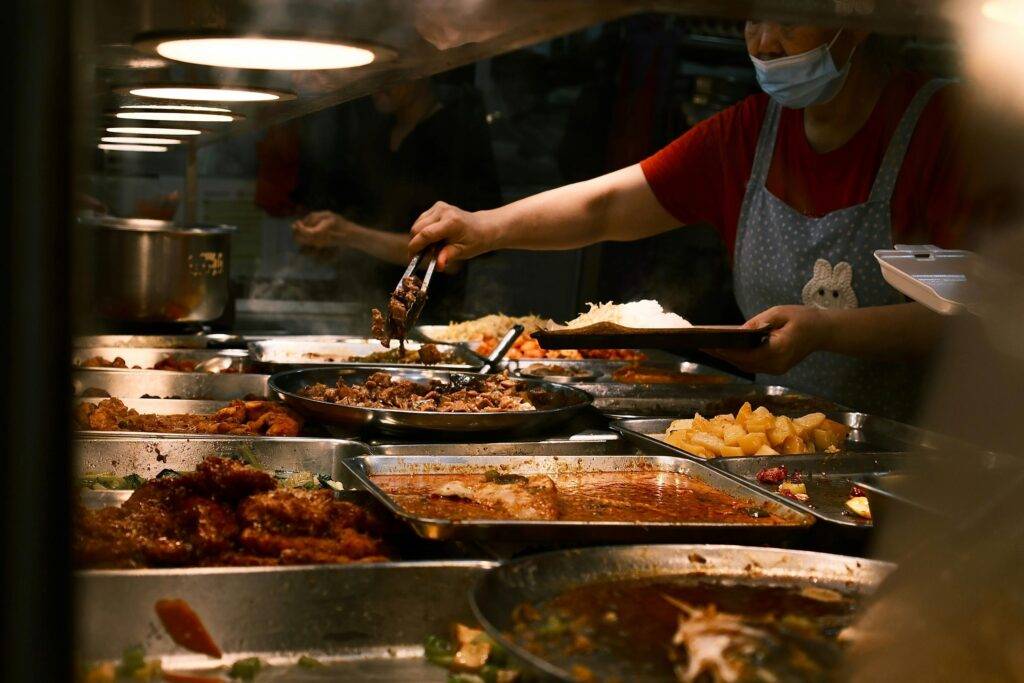
The idea of “five stalls” is less about ranking and more about pattern recognition. These are stalls that fit easily into a day — places where queues move at a steady pace and the exchange between hawker and customer remains straightforward. Over time, diners stop comparing options and simply return to what works.
By midday, the centre grows louder, but the rhythm holds. Orders continue to move, tables turn over, and a bowl of noodles or a plate of rice is finished without ceremony. Maxwell rewards familiarity, and those who keep returning understand why.
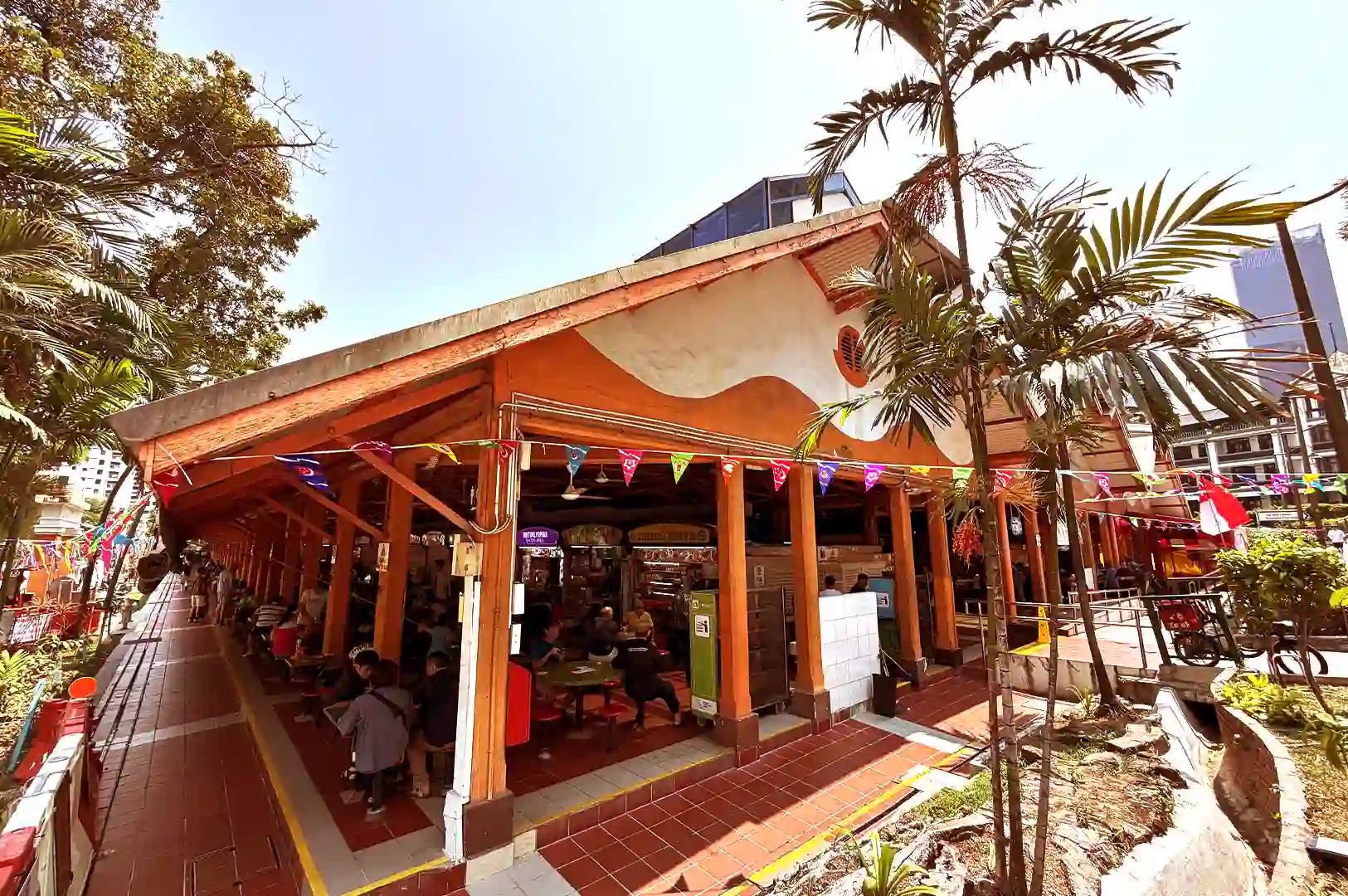
Seen slowly, Maxwell Food Centre reveals itself not as a collection of must-try stalls, but as a system refined through repetition. The stalls people return to earn that loyalty quietly by doing the same thing well, day after day.
That same shift happens elsewhere, too. When you spend time at places often defined by crowds or spectacle, their quieter patterns start to emerge. We noticed this most clearly in A Different Side of Lau Pa Sat, Seen in the Daylight, where the absence of the dinner rush reveals a working hawker centre shaped just as much by routine as Maxwell.
If you’re interested in seeing how these moments look through a lens, the steam rising from a pot at dawn, the careful assembly of a plate, the way light changes across a counter between breakfast and lunch, there’s a growing archive at hawkerphotography.com.sg. It’s not curated to highlight only the famous stalls or the most photogenic dishes. Instead, it documents the everyday rhythm of hawker centres like Maxwell: the hands that prepare the food, the spaces people move through, and the details that become familiar only after repeated visits. If you spend time at hawker centres and want to see them observed closely, it’s worth a look.
That same shift happens elsewhere, too. When you spend time at places often defined by crowds or spectacle, their quieter patterns start to emerge. We noticed this most clearly in A Different Side of Lau Pa Sat, Seen in the Daylight, where the absence of the dinner rush reveals a working hawker centre shaped just as much by routine as Maxwell.
If you’re interested in seeing how these moments look through a lens, the steam rising from a pot at dawn, the careful assembly of a plate, the way light changes across a counter between breakfast and lunch, there’s a growing archive at hawkerphotography.com.sg. It’s not curated to highlight only the famous stalls or the most photogenic dishes. Instead, it documents the everyday rhythm of hawker centres like Maxwell: the hands that prepare the food, the spaces people move through, and the details that become familiar only after repeated visits. If you spend time at hawker centres and want to see them observed closely, it’s worth a look.