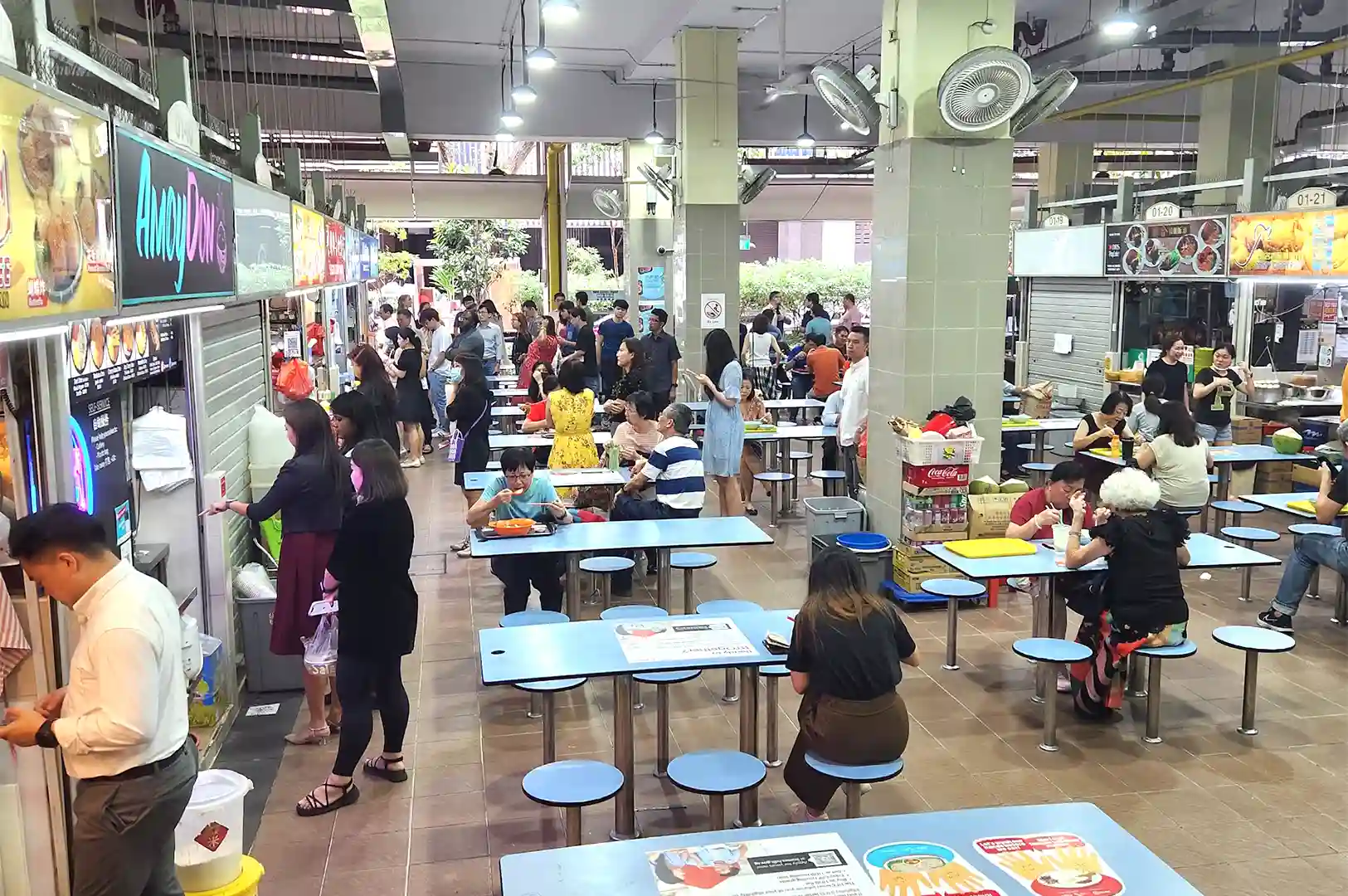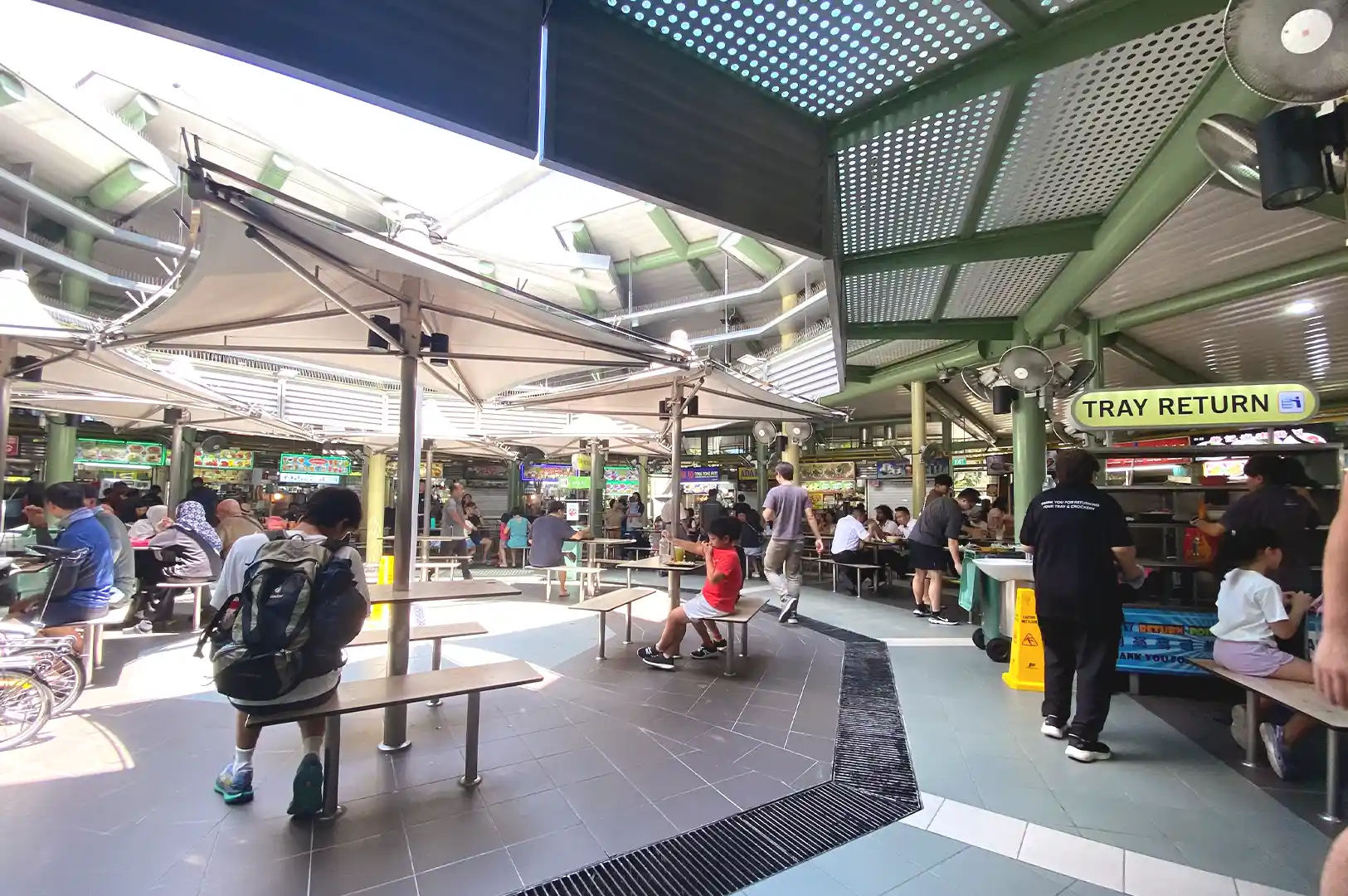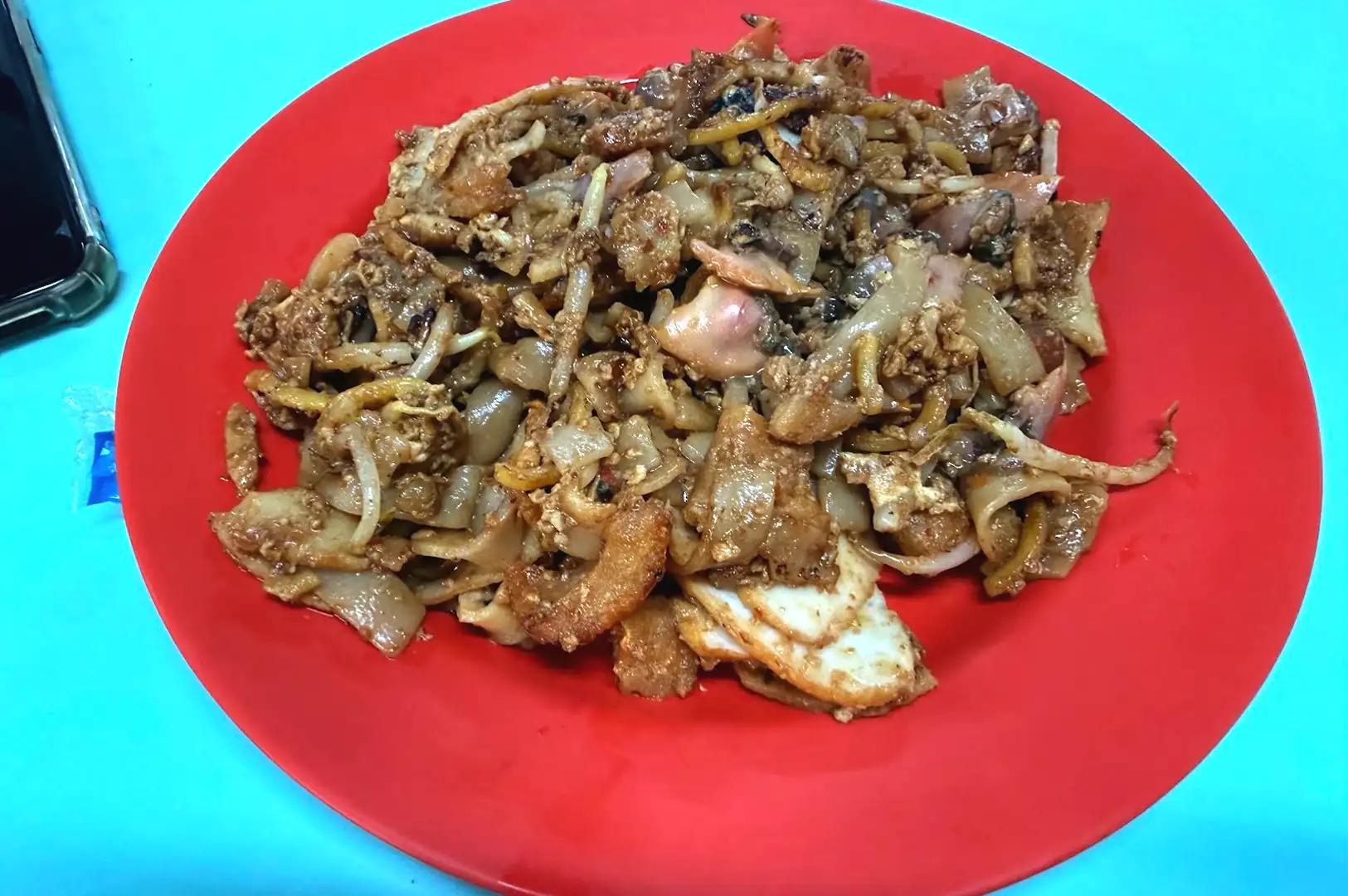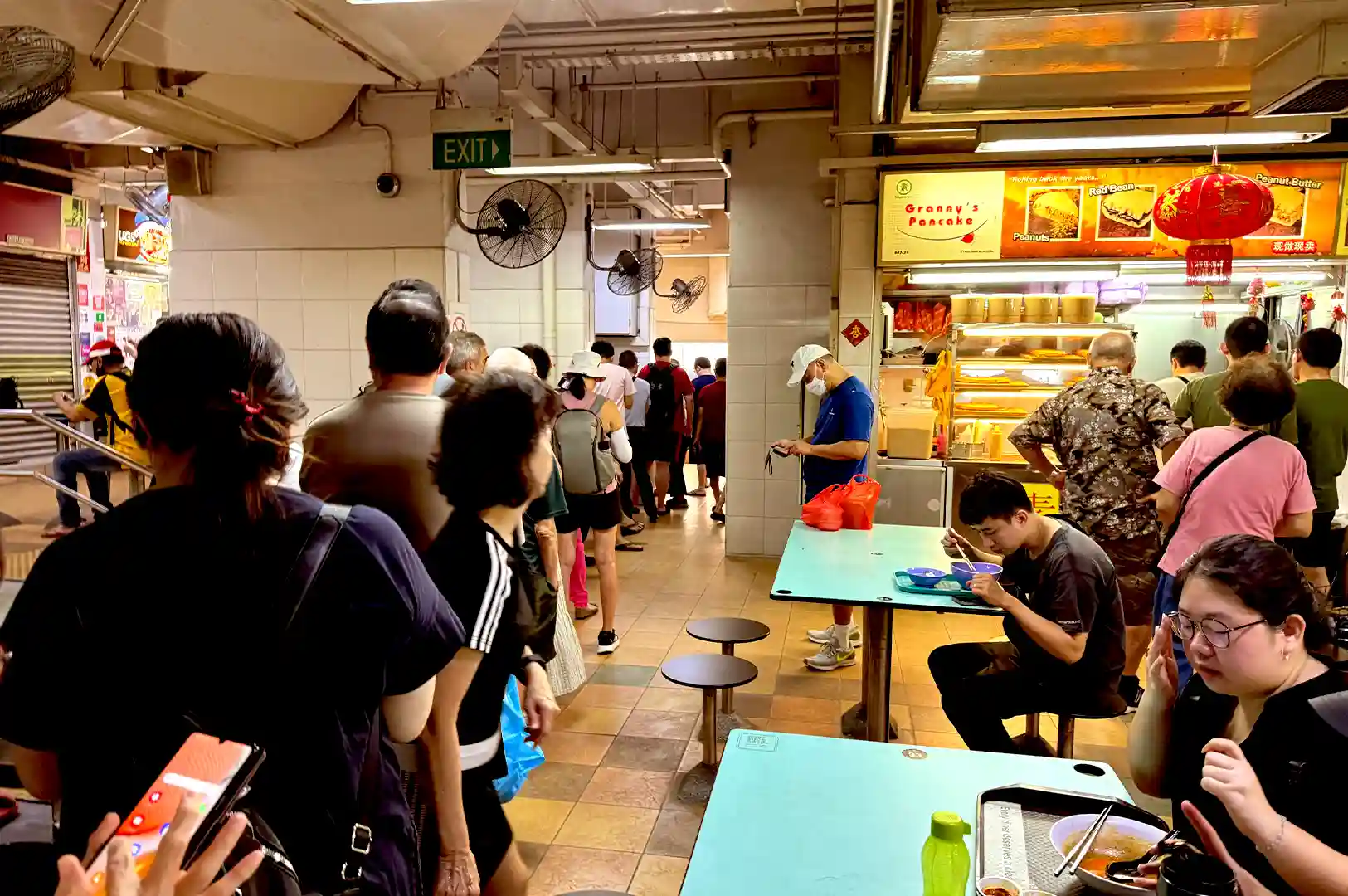

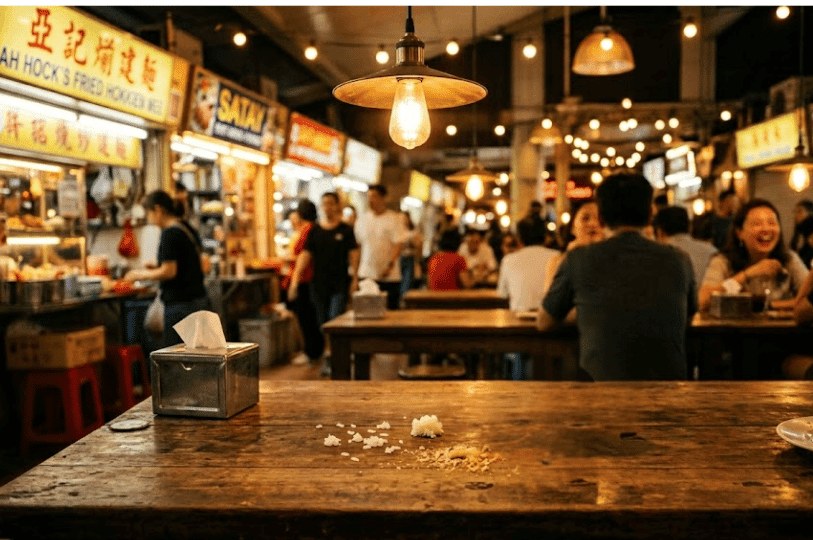
The surface carries more than what is placed on it.
At first glance, the table appears clean—cleared, wiped, ready. But beneath the sheen, there are marks that do not leave. Fine scratches run in different directions, layered over time. Some are shallow, barely visible unless the light catches them. Others are deeper, cutting across the surface with more certainty.
They do not follow a single pattern.
Trays have been dragged across, not lifted. Bowls set down with varying weight. Utensils shifted, adjusted, repositioned without intention. Each movement leaves a trace, small enough to go unnoticed in isolation, but cumulative over years.
Edges show it more clearly.
Corners are softened, no longer sharp. The laminate has worn thin in places where hands rest or where trays meet the table at the same angle, again and again. There are faint discolourations—heat marks from bowls set down too quickly, stains that have settled into the material despite repeated cleaning.
The cloth passes over all of it.
A quick, practiced motion. It removes what is recent—sauce, crumbs, moisture—but not what has settled into the structure. The surface resets, but never fully returns to what it once was.
No one pauses to look.
The marks are not defects. They do not interrupt the function of the table. Plates still sit flat. Trays still slide into place. The work continues without adjustment.
Over time, the surface becomes a record.
Not of specific moments, but of repetition itself. The same actions performed without variation, leaving behind evidence that is only visible when nothing else is happening.
Look closer at what remains after each movement.
It is not something that draws attention.
But it remains, quietly, under every meal that follows.