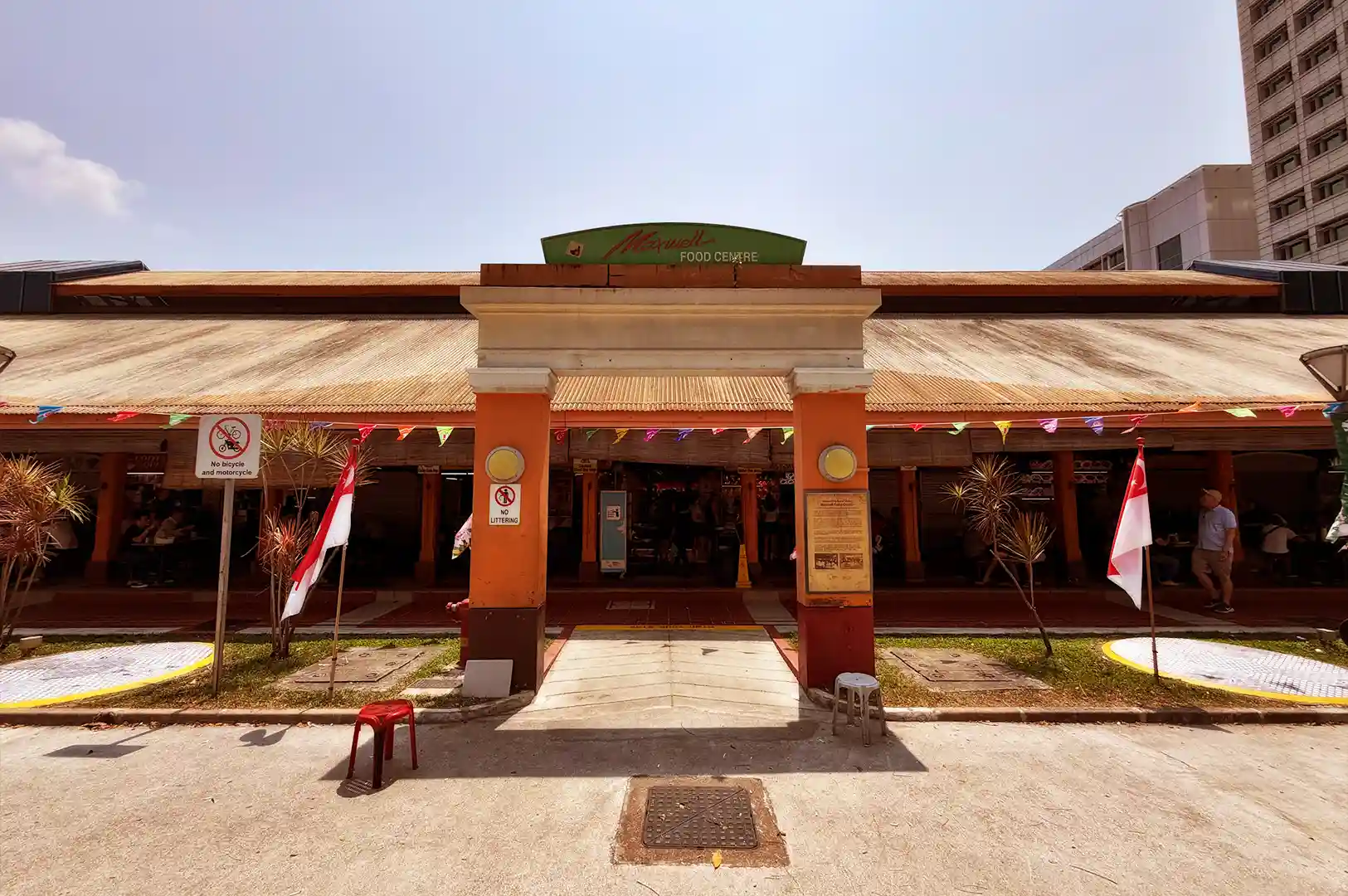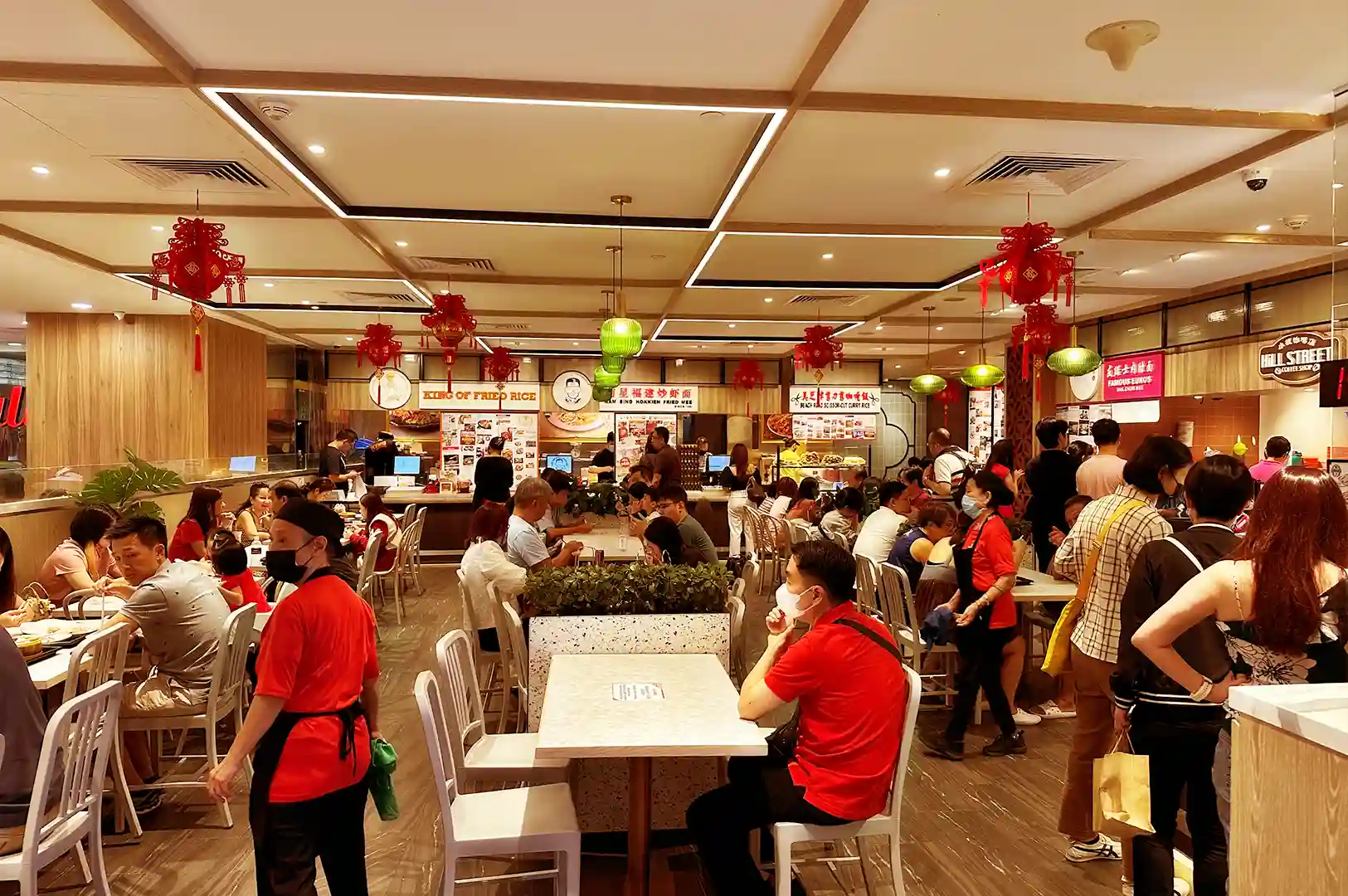

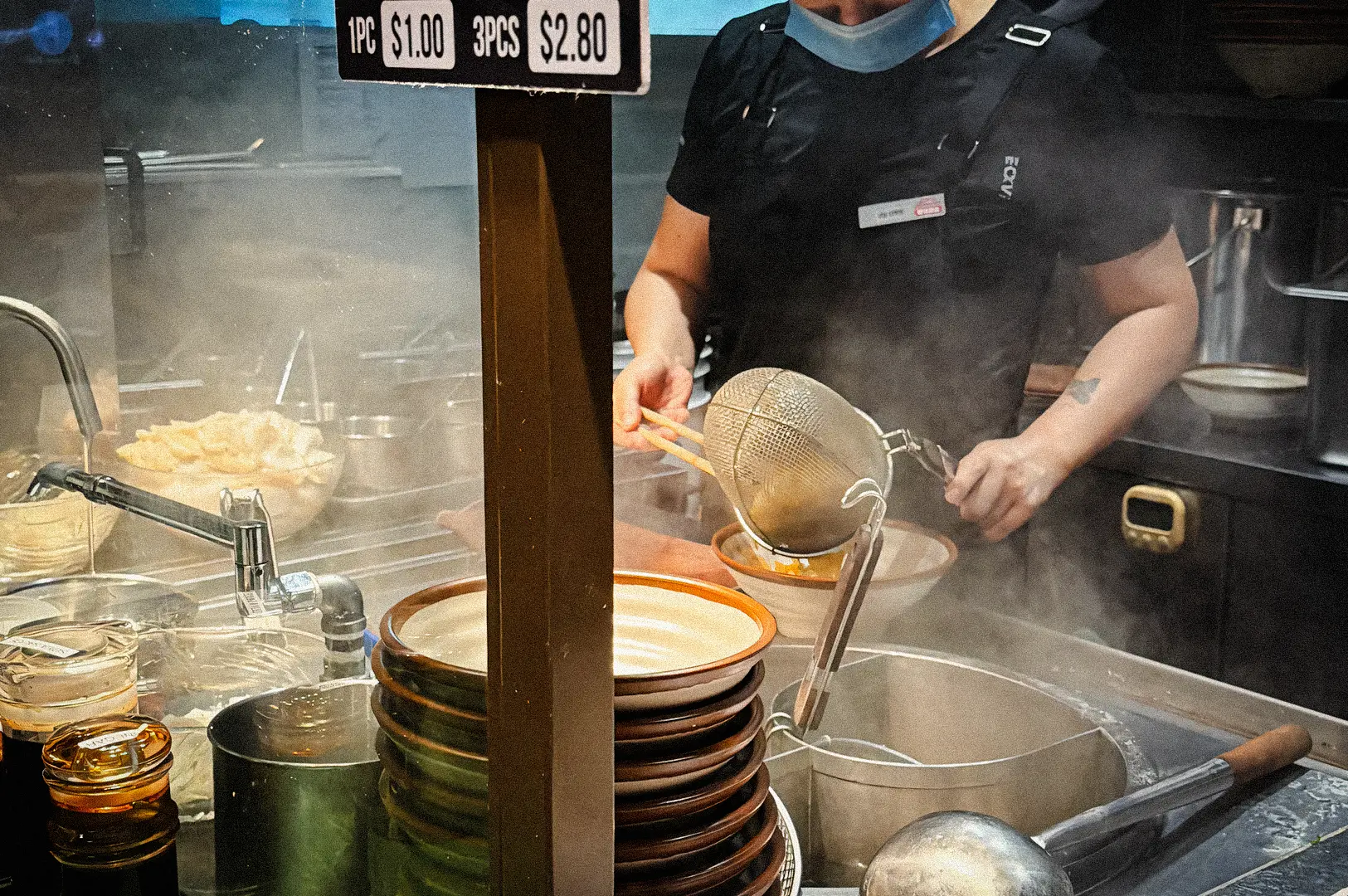
The stall remains active but measured. At Teochew Fishball Bak Chor Mee, the dish begins as a simple sequence. A portion of noodles is placed into a bowl, followed by a spoonful of broth, and the toppings are arranged in a fixed order—fish balls, minced meat, and a few sprigs of cilantro.
The hands that work here are steady, each movement practiced, a small cycle repeated countless times.
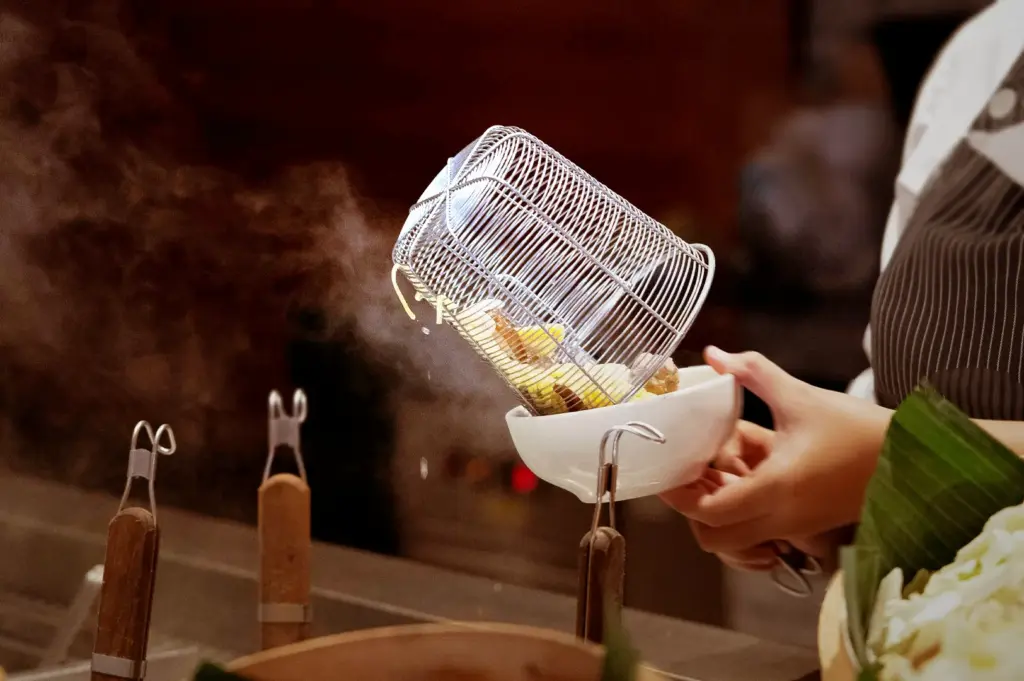
The noodles remain the center of attention. They move from counter to bowl, and each topping finds its place with consistency. A glance at the preparation space shows tools at hand, surfaces cleared between steps.
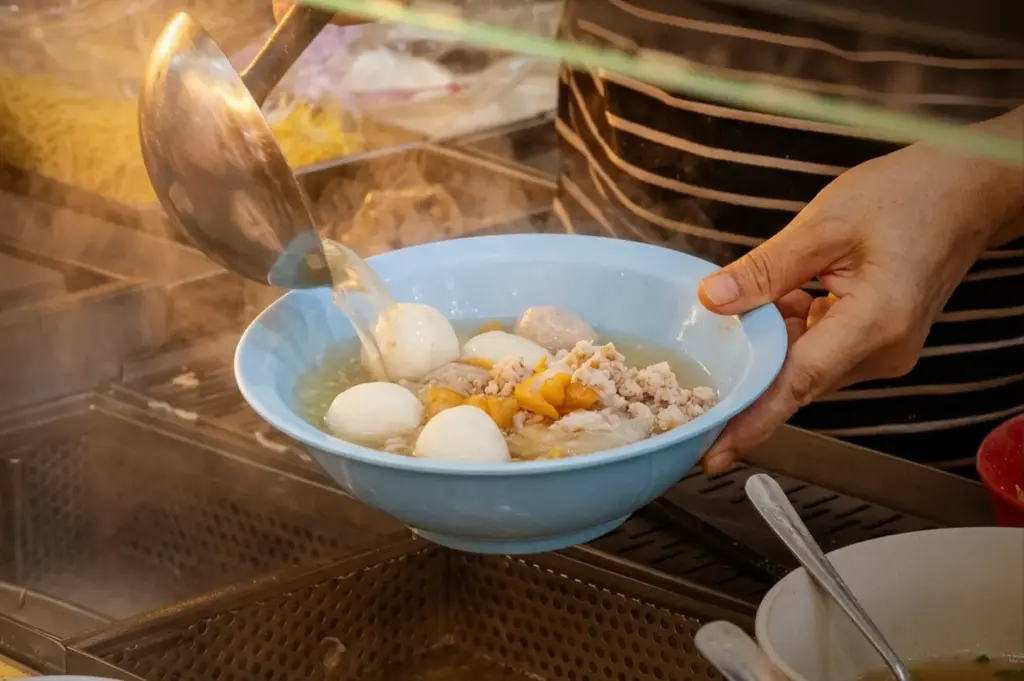
The repetition of action defines the process, as though the steps themselves are the main event.
The pop of a fishball, the glide of a spoon, the simple rhythm of assembly. There’s no rush, only a steady hand ensuring each bowl is prepared with precision. As bowls are passed, the next set begins, each plate made by the same sequence, reset before the next step.
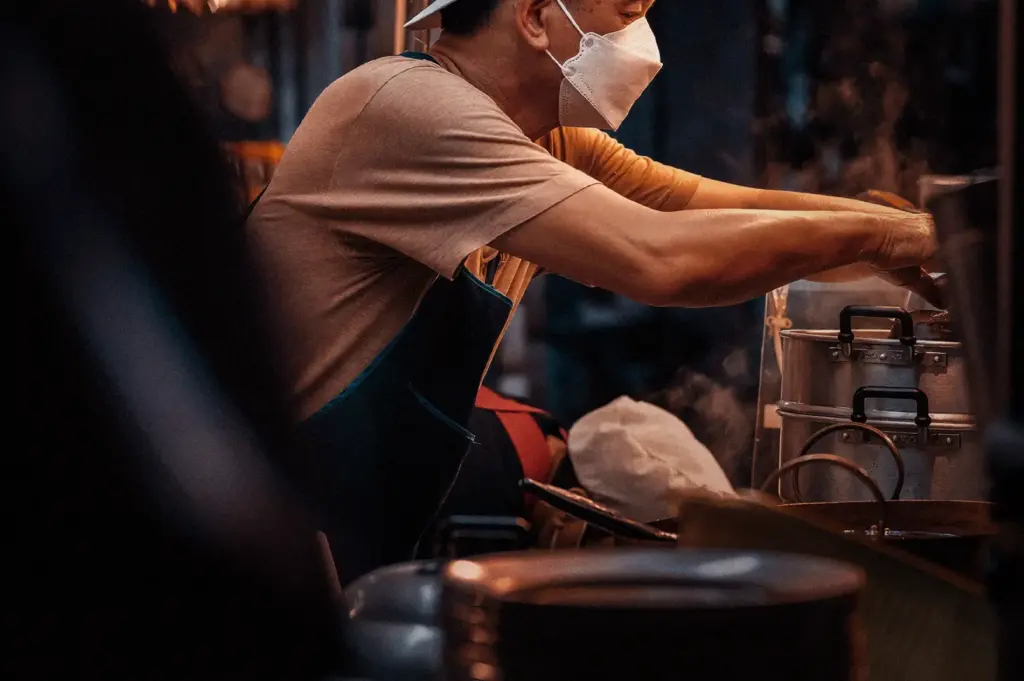
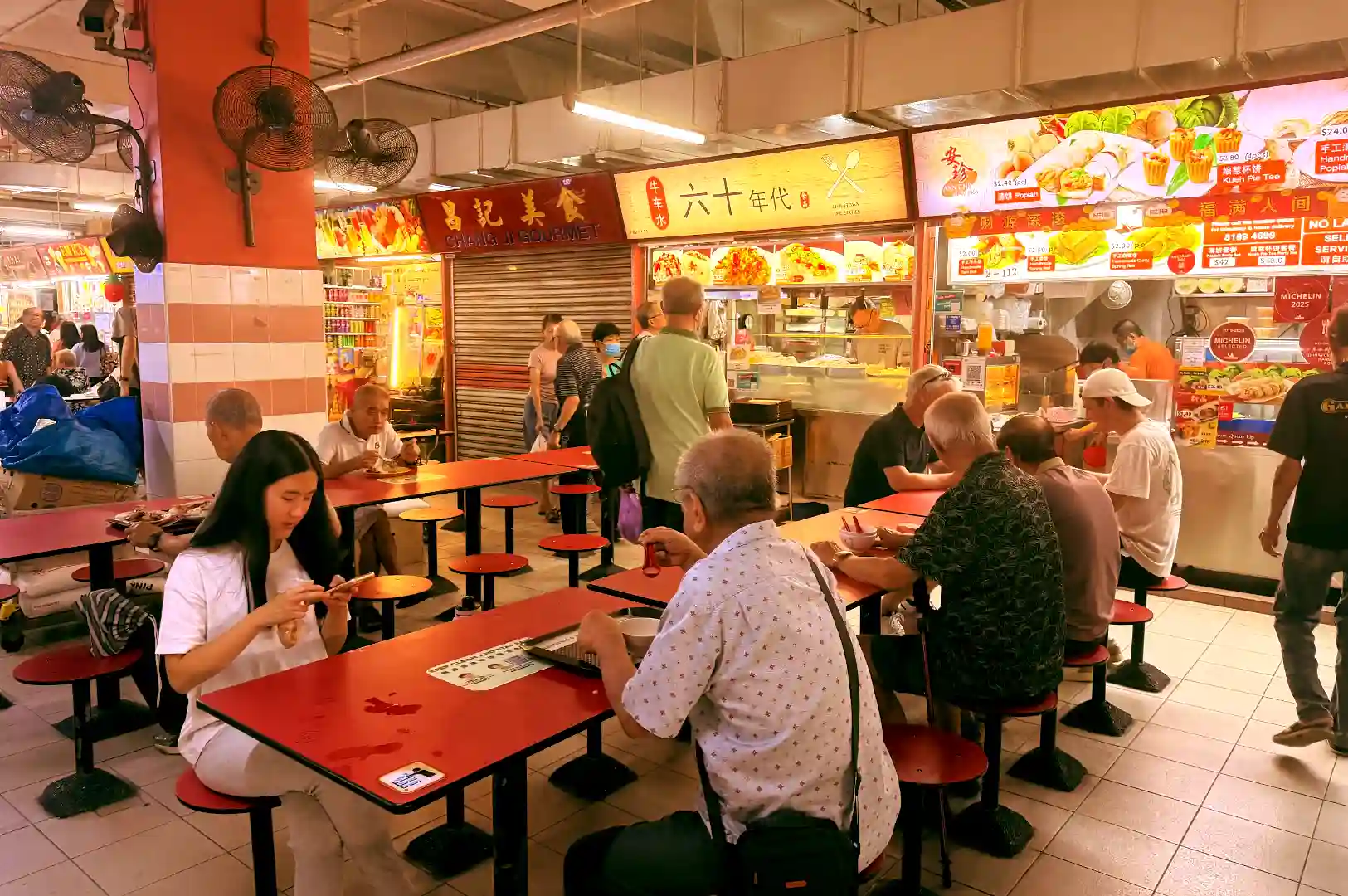
The space around the stall hums gently. Diners approach the counter, their movements measured as they wait for their dish to be handed over. The exchange is quiet—handing a bowl over, collecting payment, and resetting the counter for the next cycle.
The scene continues without interruption: bowls filled, handed out, and replaced by the next. It’s a simple, grounded rhythm, sustained by repetition.
And in the flow of movement, each dish is another moment captured in routine.