
The base is set before anything else follows.
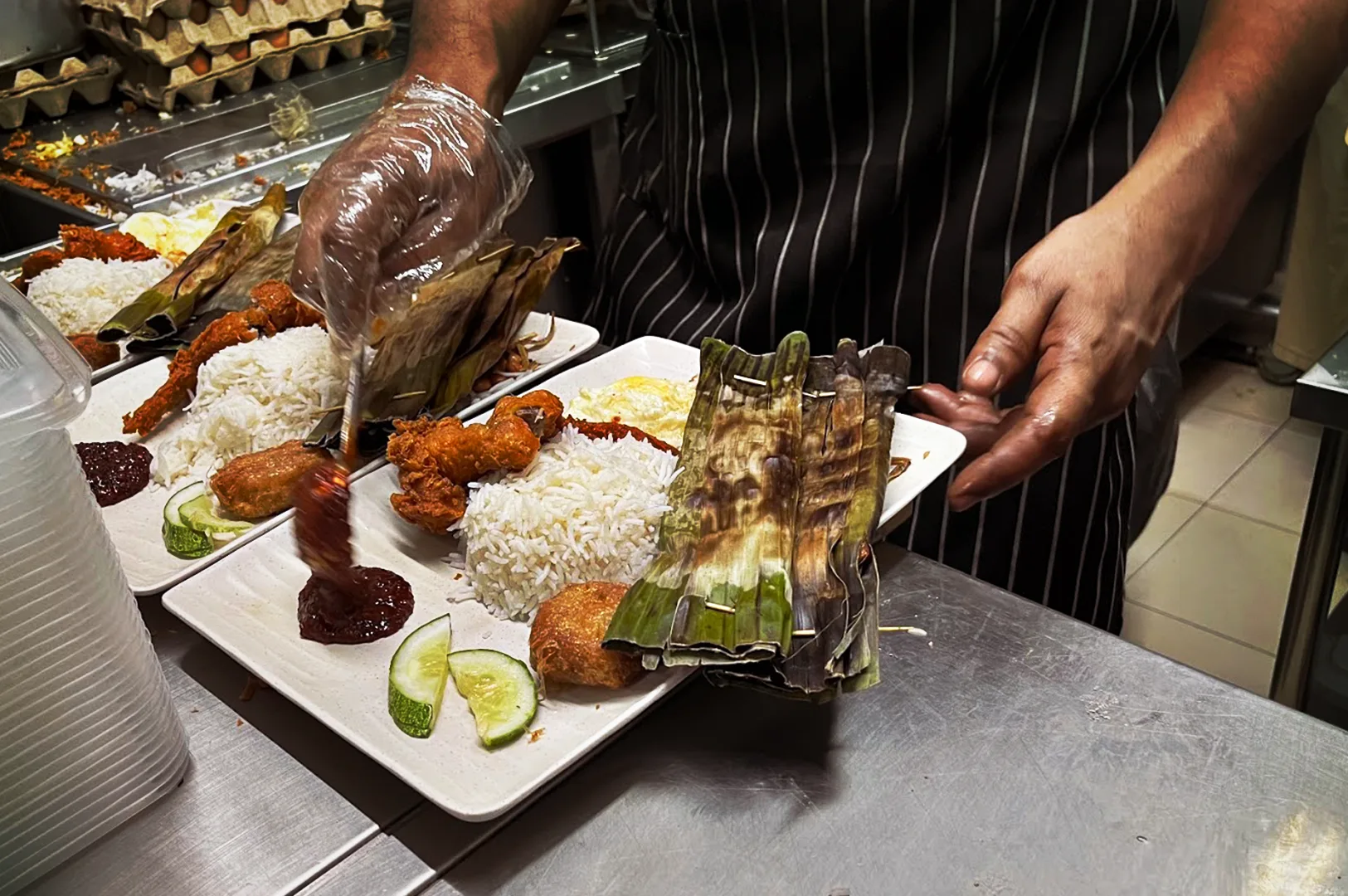
The nasi lemak begins with rice at Selera Rasa, placed in a measured portion at the centre of the plate. The mound is shaped quickly, enough to hold its form without compacting. Steam lifts briefly, then settles.
Sides are added in sequence. Each item has a fixed position—protein to one side, egg placed with its cut surface facing outward, ikan bilis and peanuts grouped together. Sambal is spooned last, spread in a controlled motion rather than poured.
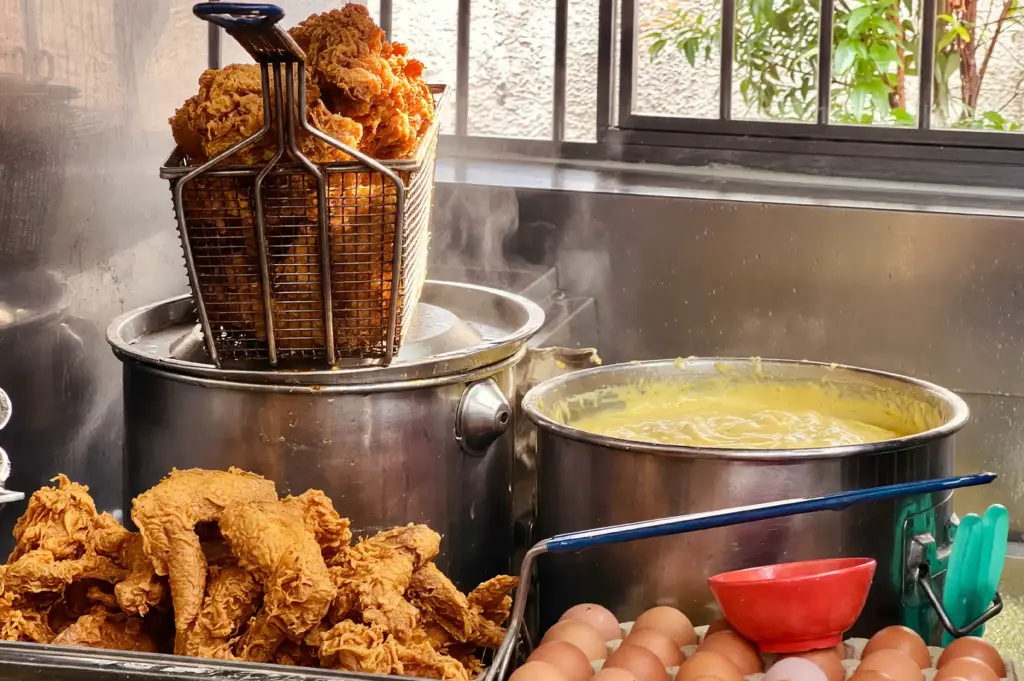
Each component returns to a familiar position.
The arrangement does not vary. Hands move between containers with short, direct reach. There is no pause between steps. Once the plate is complete, it is passed forward and the next begins immediately.
The process repeats without adjustment. When orders build, the pace increases, but placement remains consistent. Tools stay in position. Surfaces are cleared only when necessary.
If you begin to notice how these fixed sequences appear across different stalls, there is a way to trace them further. One quiet reference sits in the preparation rhythm of bak chor mee—where portioning and placement follow a similarly contained cycle.
Ready without needing correction.
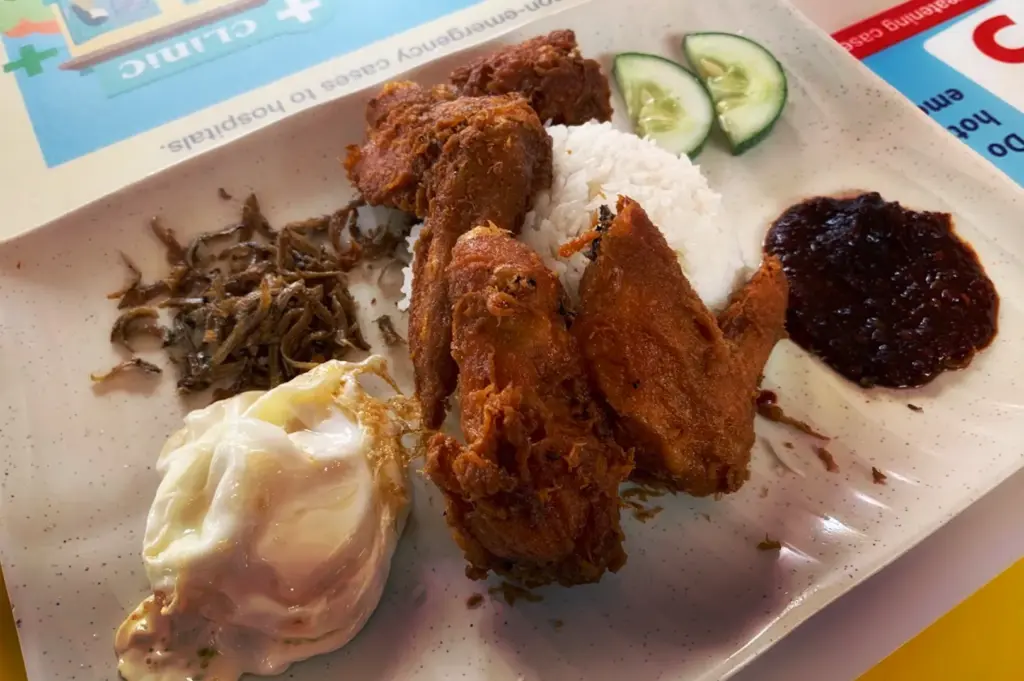
On the table, the arrangement remains intact. Each component stays in place until it is disturbed. The rice separates easily. The sambal is already positioned for mixing.
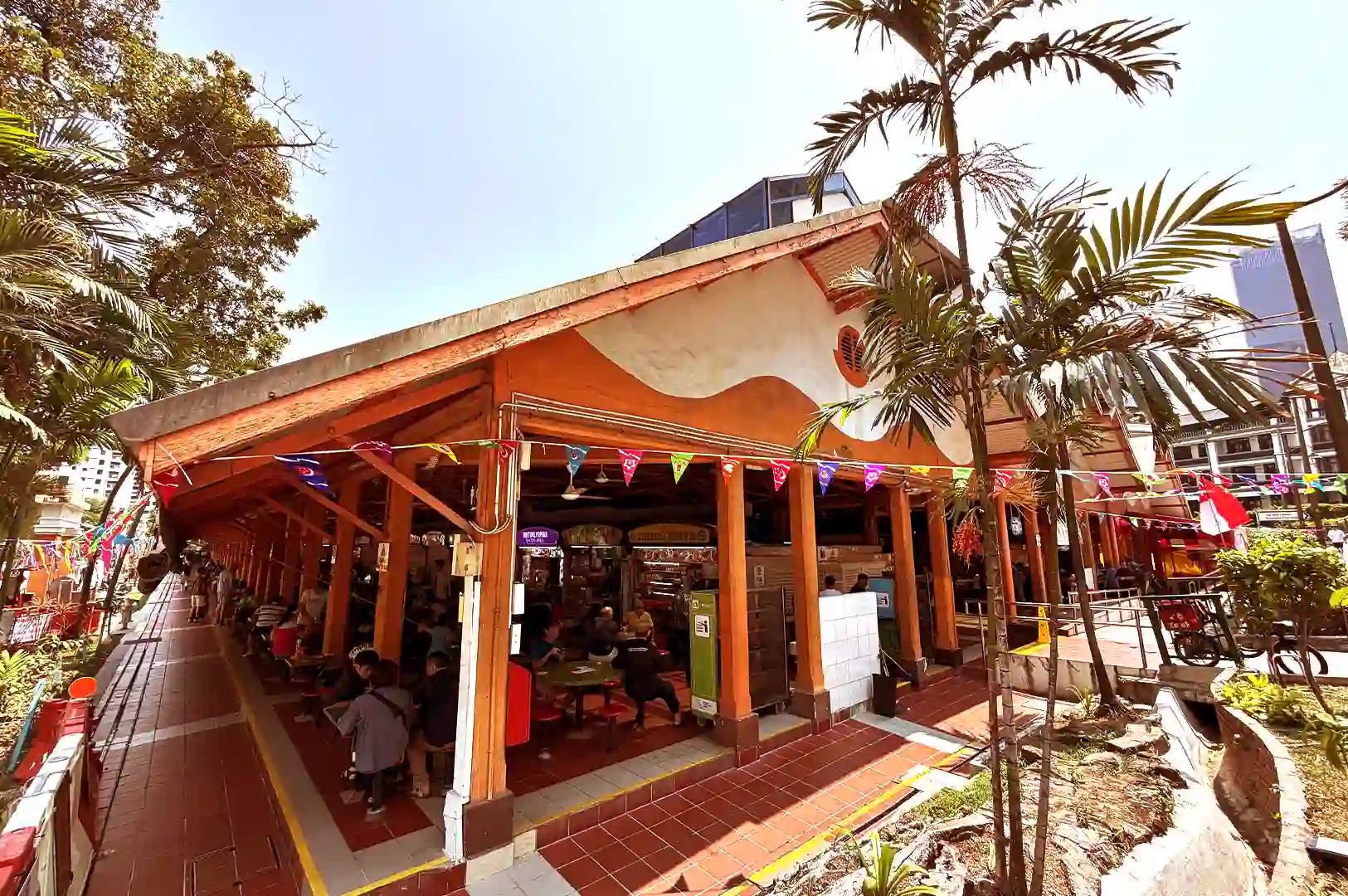
At Selera Rasa nasi lemak—Adam Road Food Centre—the dish depends on fixed placement.
Each plate follows the same pattern, allowing the process to continue without interruption.