
We arrive without entering the frame.
The stall is already in motion, or about to be. Surfaces prepared, tools arranged, gestures repeating from memory rather than instruction. Nothing here requires acknowledgment. It continues whether we are present or not.
So we begin by not interfering.
There is a distance that allows the scene to remain intact. Not far enough to disconnect, but not close enough to alter how things move. We stand where the workflow does not adjust—where no one needs to step aside, where no motion needs to be corrected because of us.
At this distance, the stall reveals itself slowly.
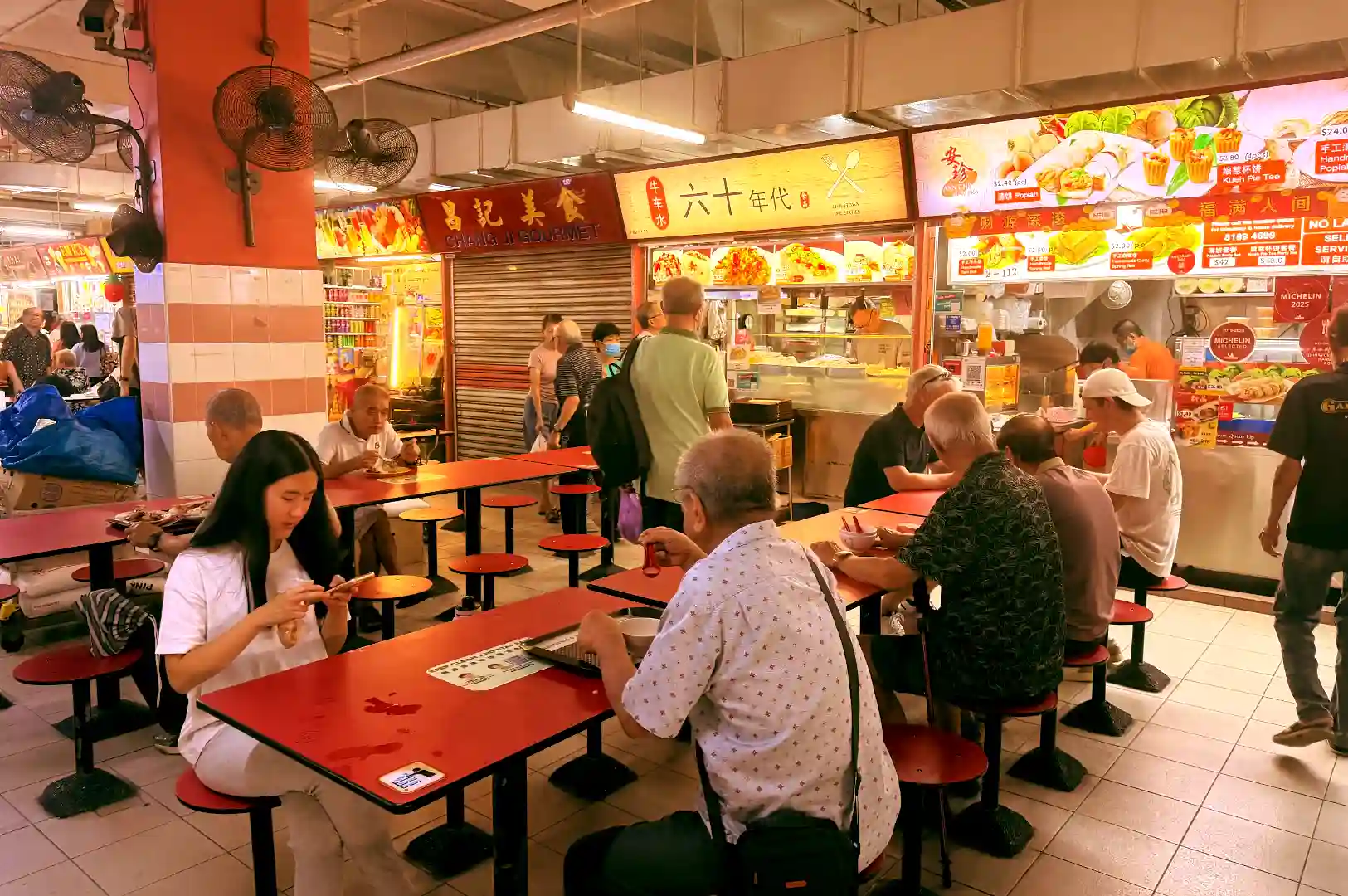
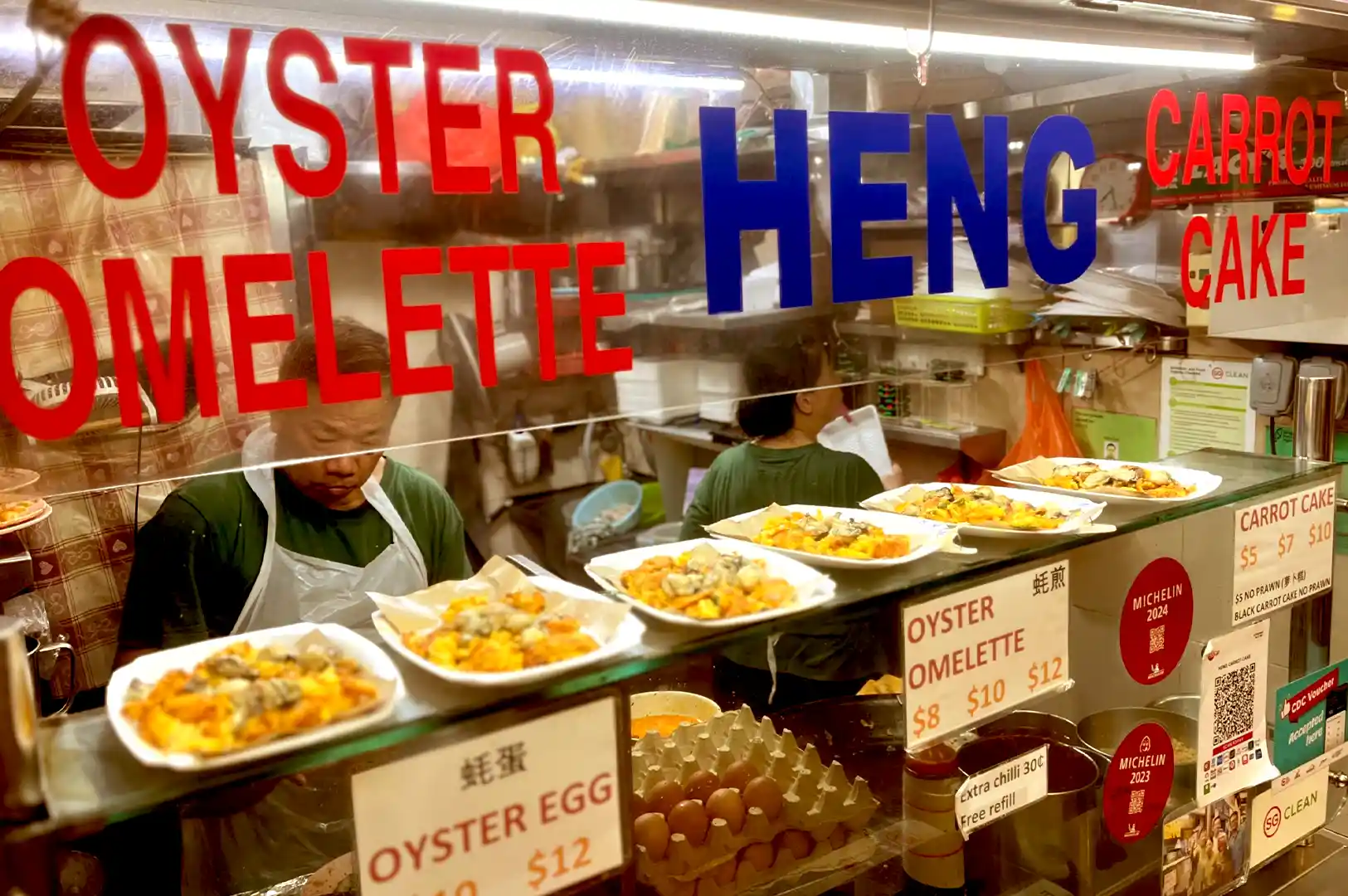
Hands move without hesitation. Orders are prepared without pause for observation. The rhythm is uninterrupted, and because of that, it becomes legible. What happens is not directed, not repeated for us, not performed. It simply continues.
We do not ask for moments.
No request for a pause, no indication that something should be shown more clearly. What exists in front of us is already complete. To intervene would be to replace what is with something else—something shaped by our presence rather than the stall itself.
So we work around what is given.
Angles are chosen without shifting the scene. Timing is guided by repetition, not control. The frame forms where the environment allows it, not where we impose it. If something is obscured, we accept it. If something passes too quickly, we wait for it to return.
Over time, the stall stops noticing.
This is when the structure settles back into itself. Movements become unguarded. The pace returns to what it was before we arrived. What we see then is closer to the stall as it exists on its own—unadjusted, unobserved.
If this way of seeing feels familiar, you may find a similar quiet continuity in Maxwell Food Centre: Morning Cycles Held Steady, where the stall carries on without interruption, and the act of observation remains at the edges.
We leave without closing the moment.
The stall continues. Orders are called. Movements repeat. Nothing marks our presence, and nothing marks our absence.
What remains is not that we were there, but that nothing needed to change for us to see it.