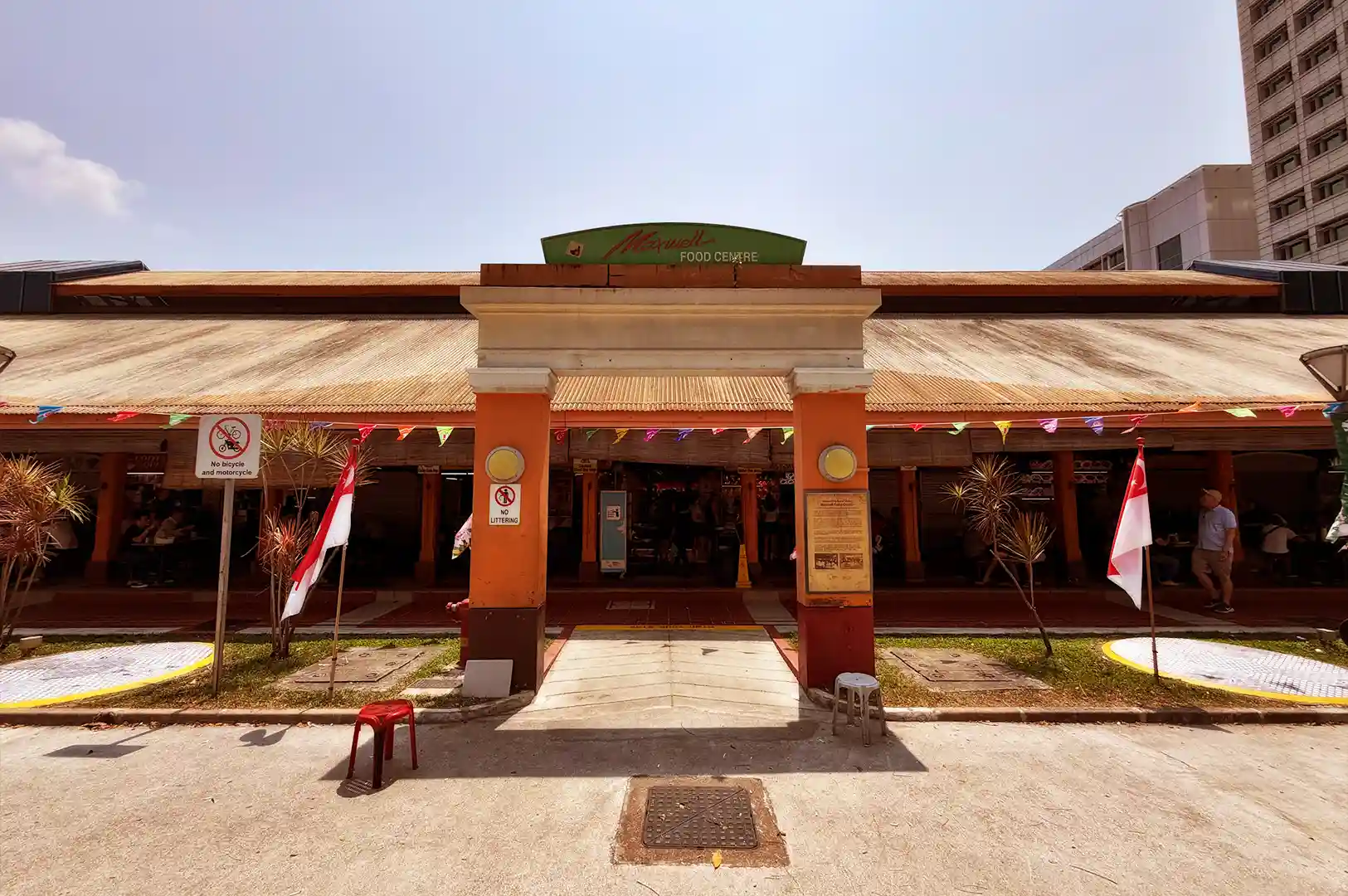

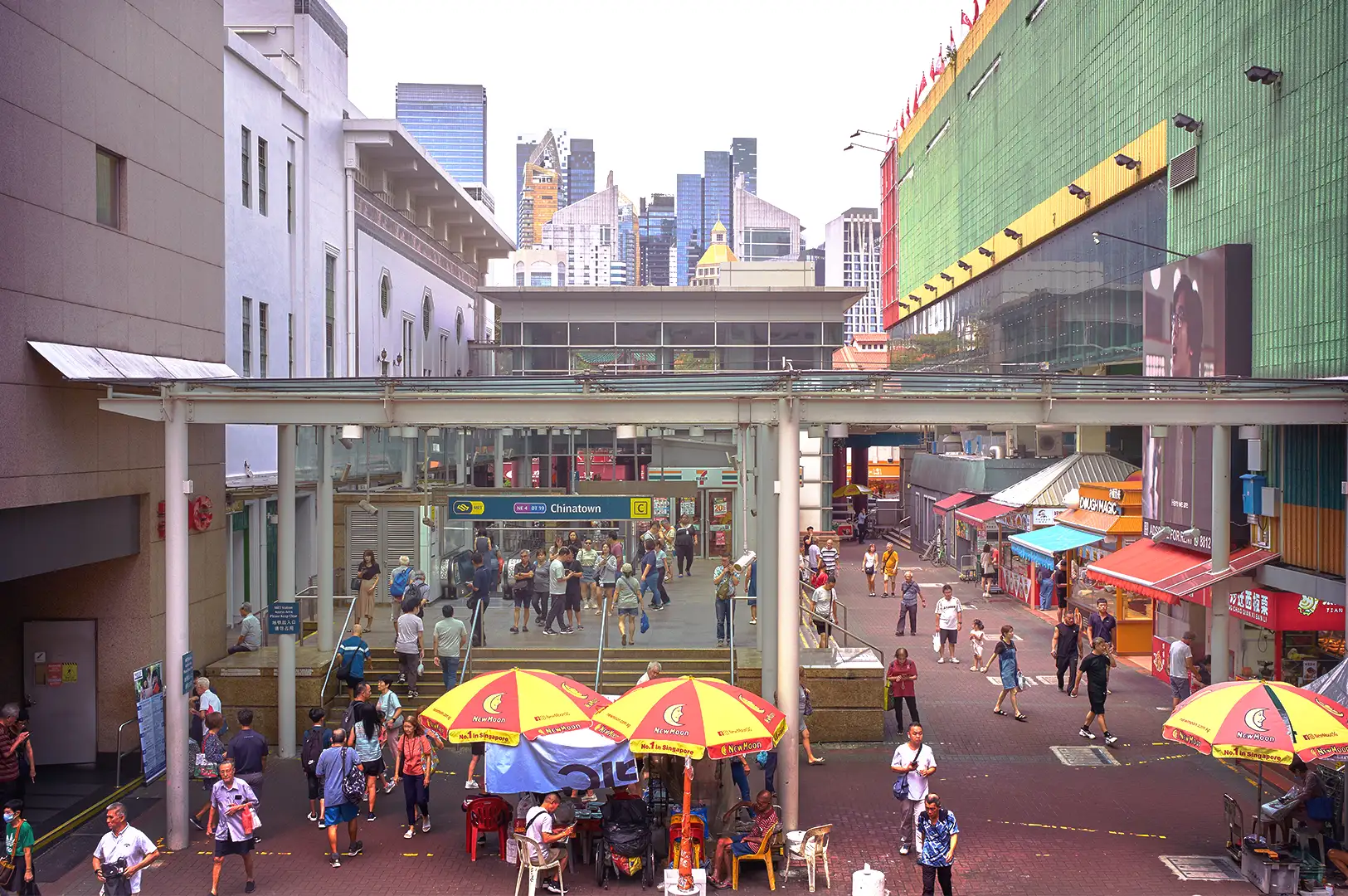
The lunch rush does not arrive all at once.
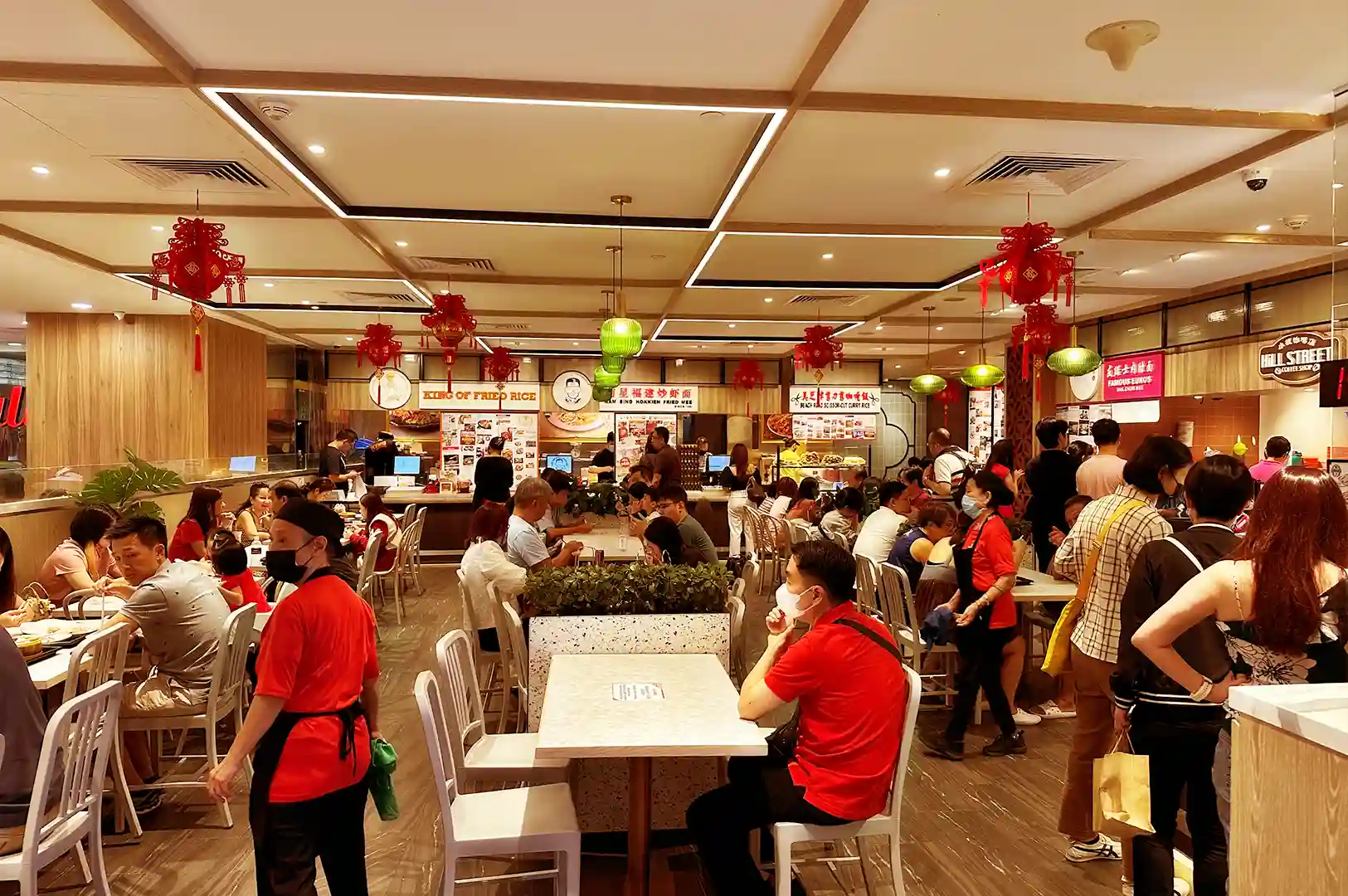
On most visits, the first signs appear gradually. A few more trays move between tables. Queues begin forming at familiar stalls. Empty seats become slightly harder to find. For a brief period, the hawker centre exists in two states at once—partly quiet, partly occupied.
Then the balance shifts.
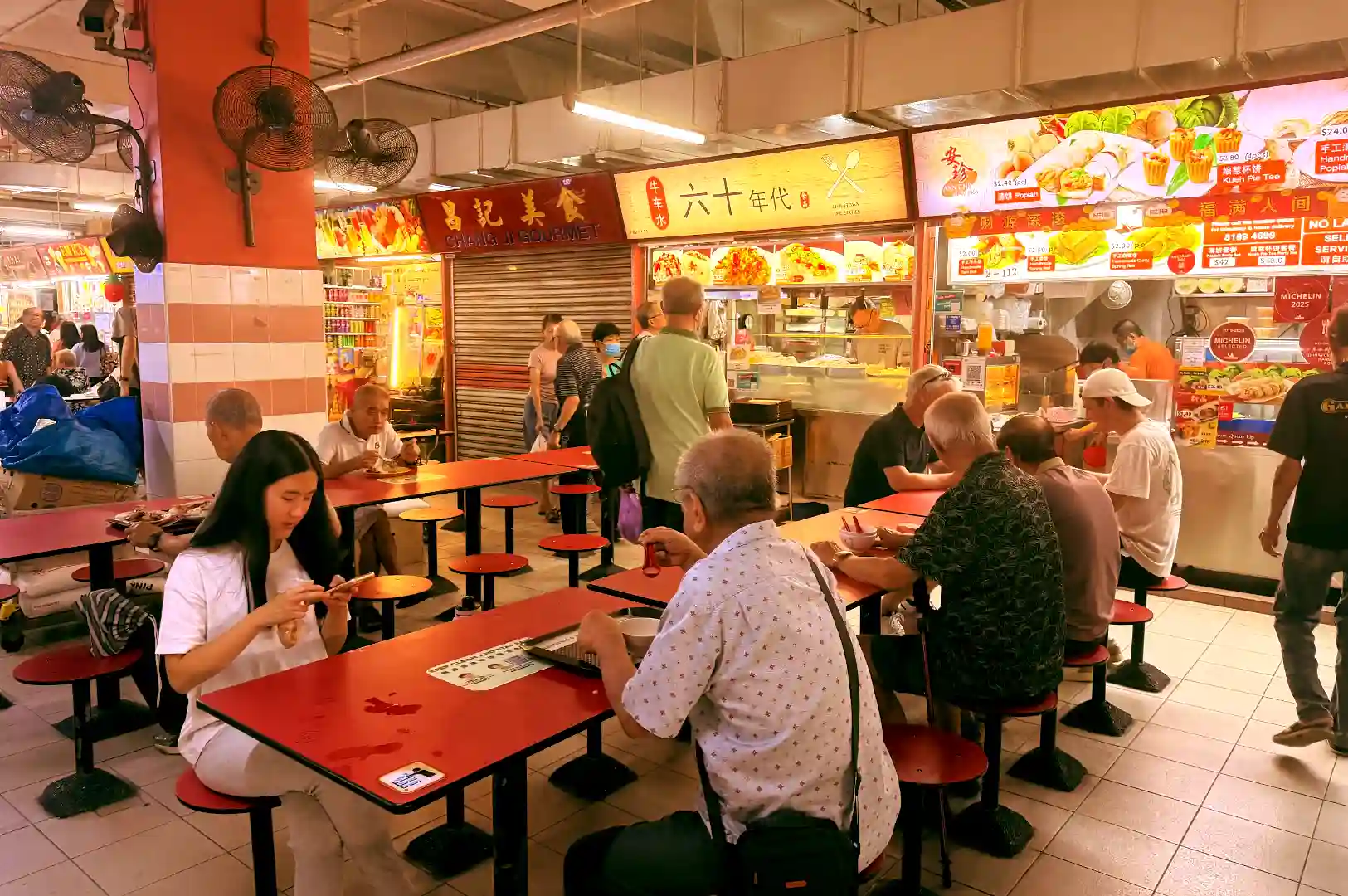
What is most noticeable is not the number of people, but how the space itself seems to reorganise. Pathways that felt wide thirty minutes earlier narrow as queues extend outward. Corners that appeared unused become temporary waiting areas. Tables near popular stalls fill first, while others remain available for a little longer.
Certain routes become predictable.
People entering the hawker centre often follow similar movements: scanning for seats, identifying queue lengths, adjusting course, and moving toward familiar stalls. Those carrying trays take different paths, navigating around waiting customers and occupied tables. The same corridors serve multiple purposes at once.
From above, it might resemble a map constantly redrawing itself.
This is one of the recurring patterns documented throughout hawkerphotography.com, where repeated visits reveal how movement shapes a place as much as its surroundings.
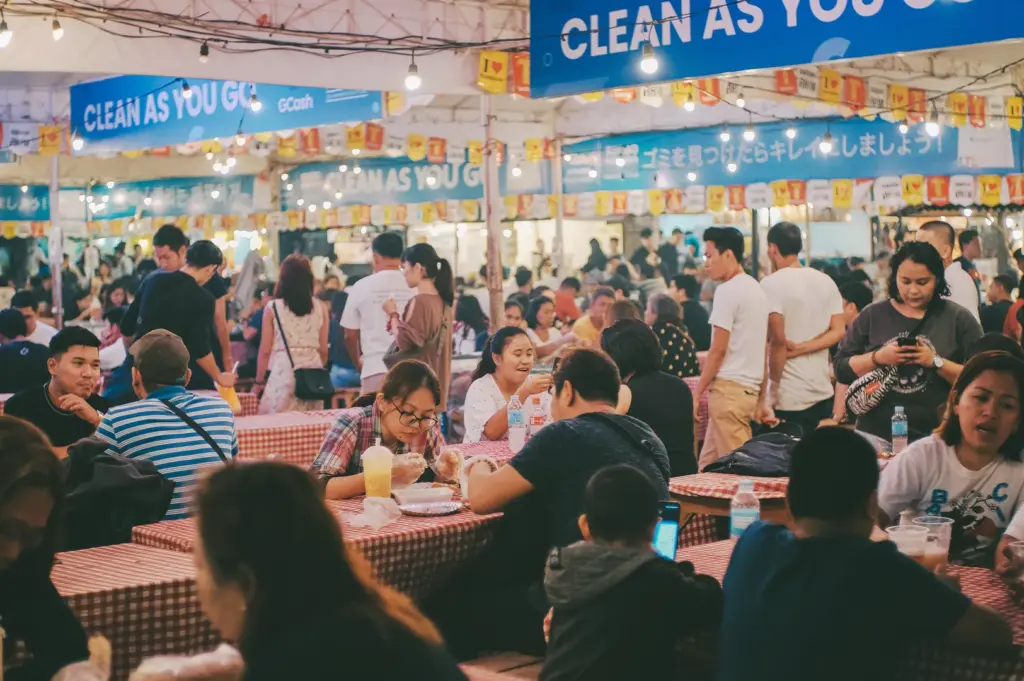
The boundaries are invisible but easy to observe. A queue creates one zone. A cluster of occupied tables creates another. A cleaning trolley introduces a temporary detour. These small changes influence how hundreds of people move through the space without requiring instruction.
What stands out most is how quickly everyone adapts.
Customers adjust their routes without hesitation. Stallholders continue serving at the same pace. Cleaners work between occupied tables with remarkable efficiency. Despite the density, movement rarely stops completely.
The lunch rush is often described as busy, but busy is only part of the story.
It is also a period of spatial negotiation. Shared space is constantly being reassigned, occupied, vacated, and reused. The hawker centre becomes a living system where movement, timing, and routine shape the environment as much as its physical design.
An hour later, the queues shorten.
The pathways widen again. Empty tables reappear. The temporary geography dissolves, leaving little evidence that it existed at all.
Until the next lunch rush redraws the map once more.