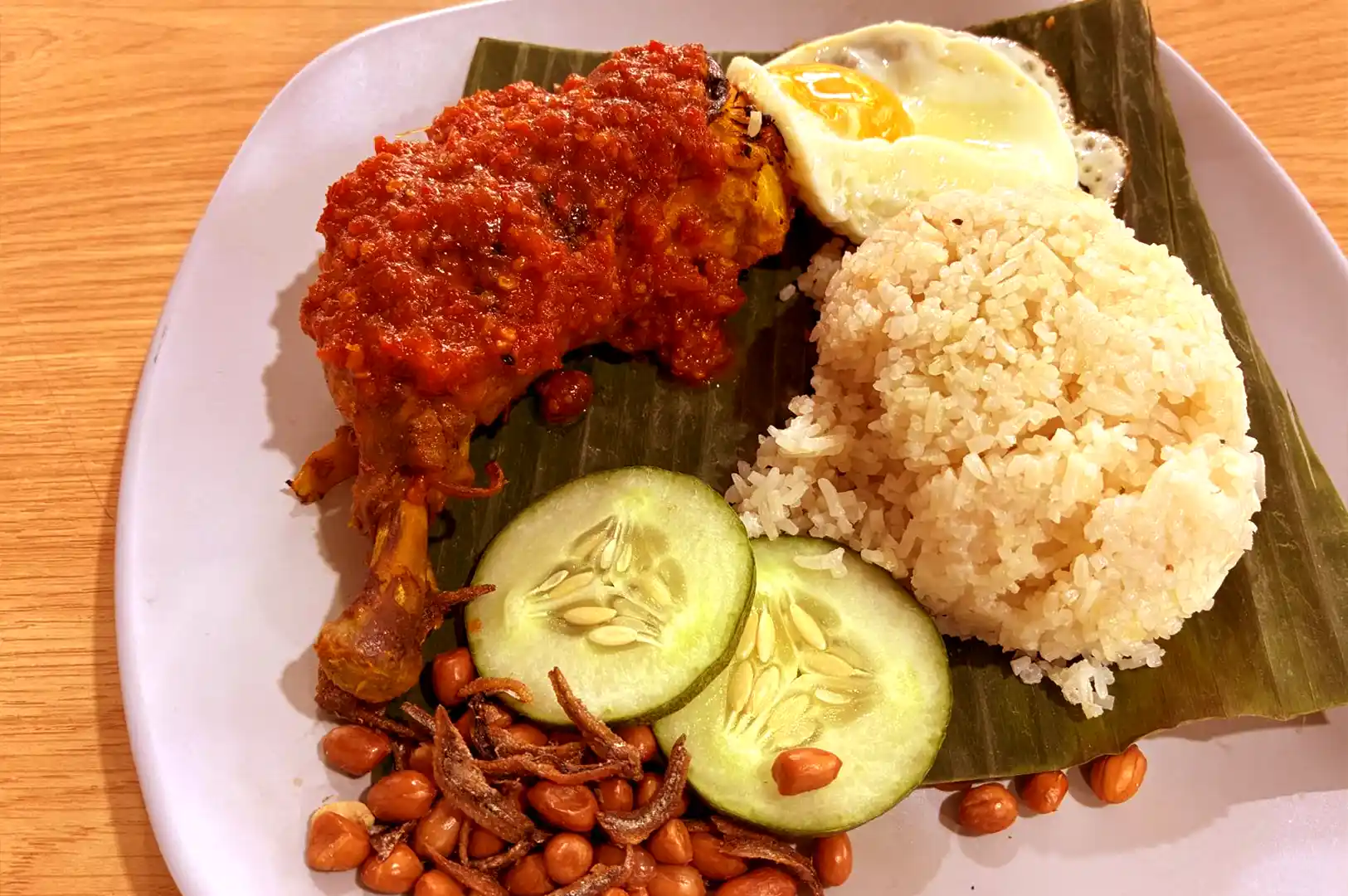

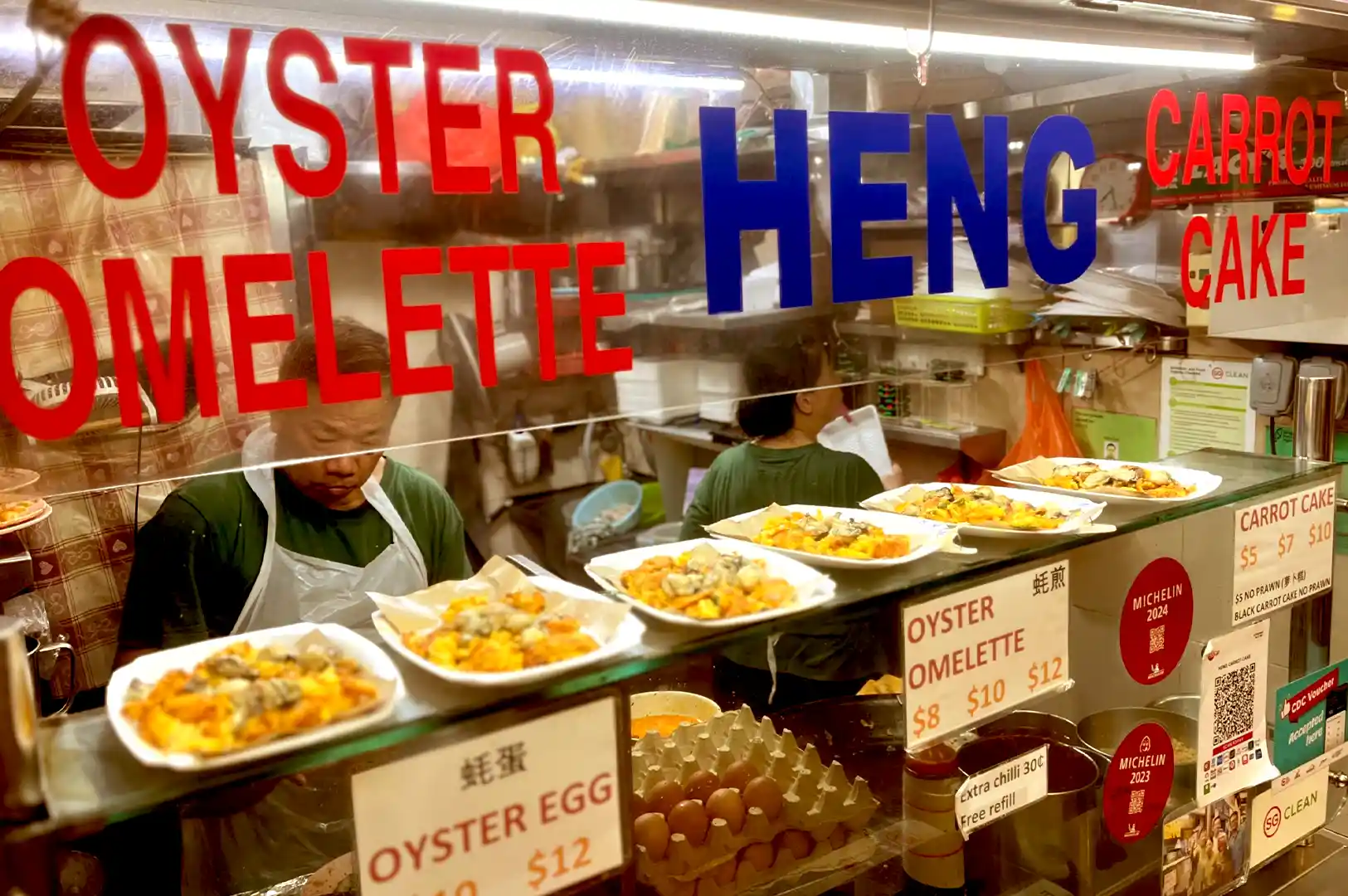
The sequence begins before the plate leaves the counter.
At Heng Carrot Cake & Oyster Omelette, each dish follows a familiar order.
Carrot cake begins on the griddle. Pieces are separated, turned, and moved across the cooking surface. The spatula returns repeatedly to the same points, adjusting the arrangement as the edges change and the texture develops.
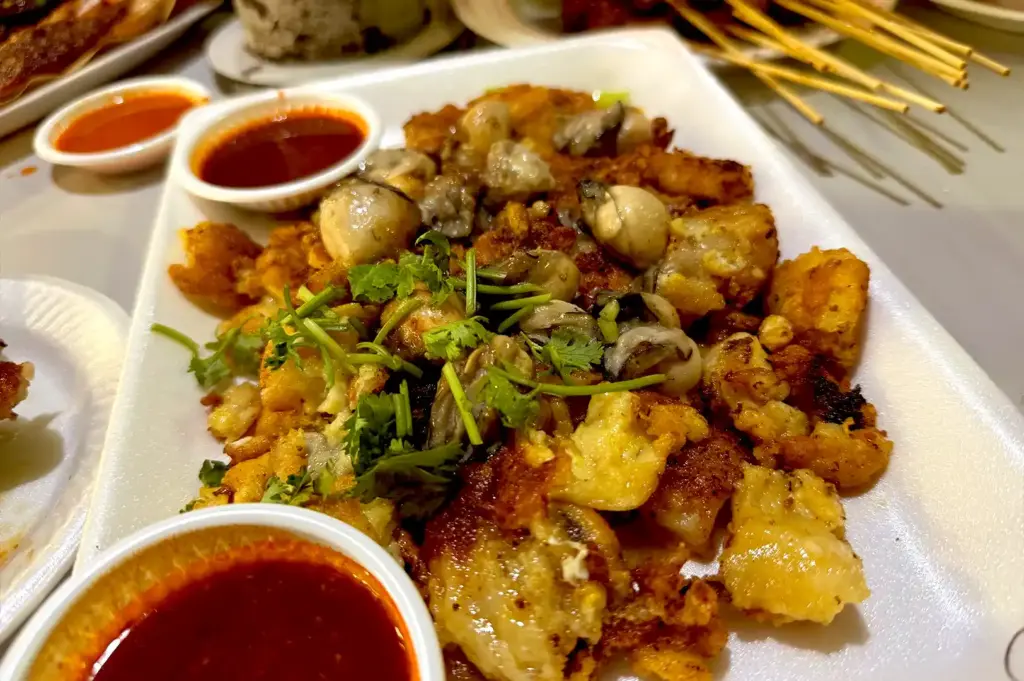
Each turn reveals a different surface.
The movement is measured rather than rushed. A section is lifted, checked, then returned. The same actions repeat until the pieces reach the next stage.
Beside it, the oyster omelette follows another sequence. Batter spreads across the pan. Eggs settle around the edges. Oysters remain visible within the mixture as the surface firms before being divided.
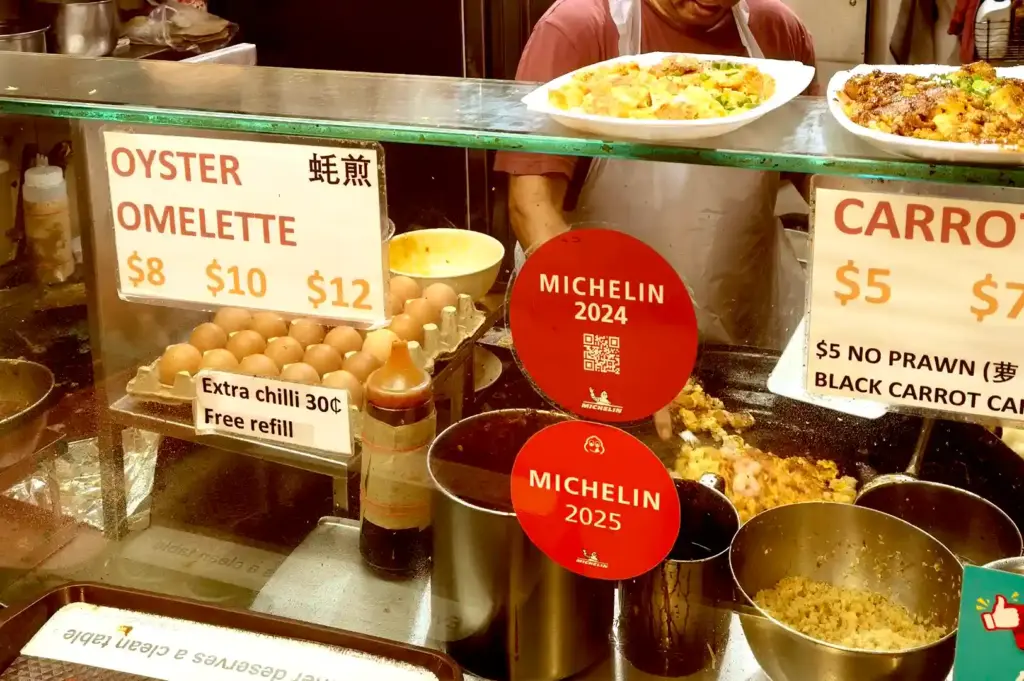
The pan holds the final changes.
The two dishes move differently, but the rhythm is similar. The same attention to repeated cooking movements can be seen in another record of carrot cake preparation, where each step is shaped by timing and repetition.
Both depend on timing, adjustment, and knowing when to move from one step to the next.
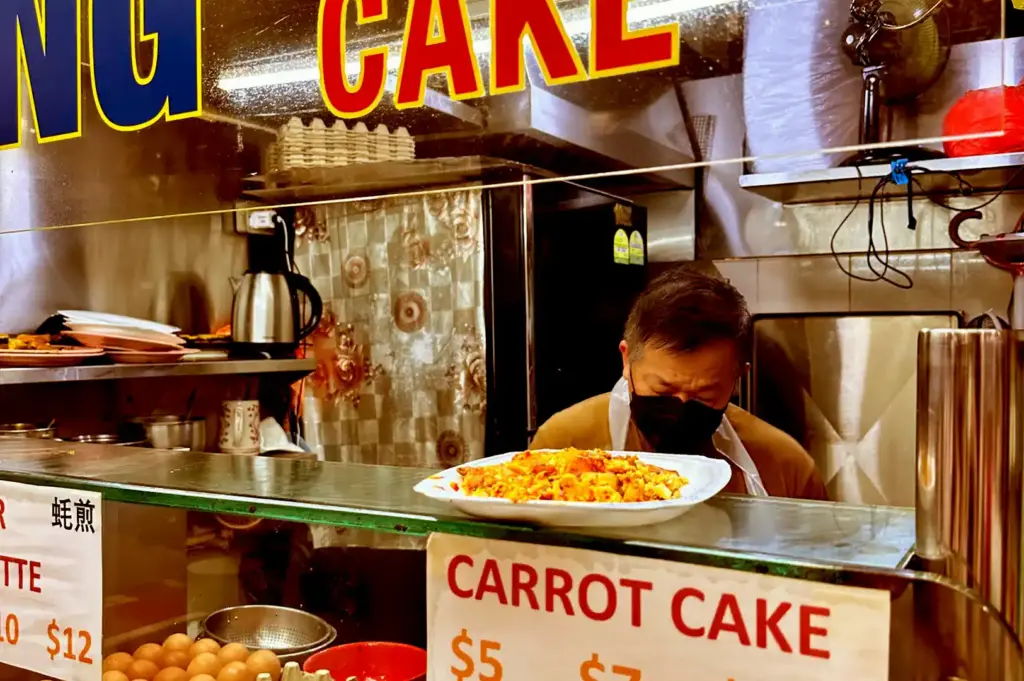
The final step is passing it forward.
Once served, the process continues elsewhere. A piece is taken. A portion is shared. The arrangement on the plate begins to change.
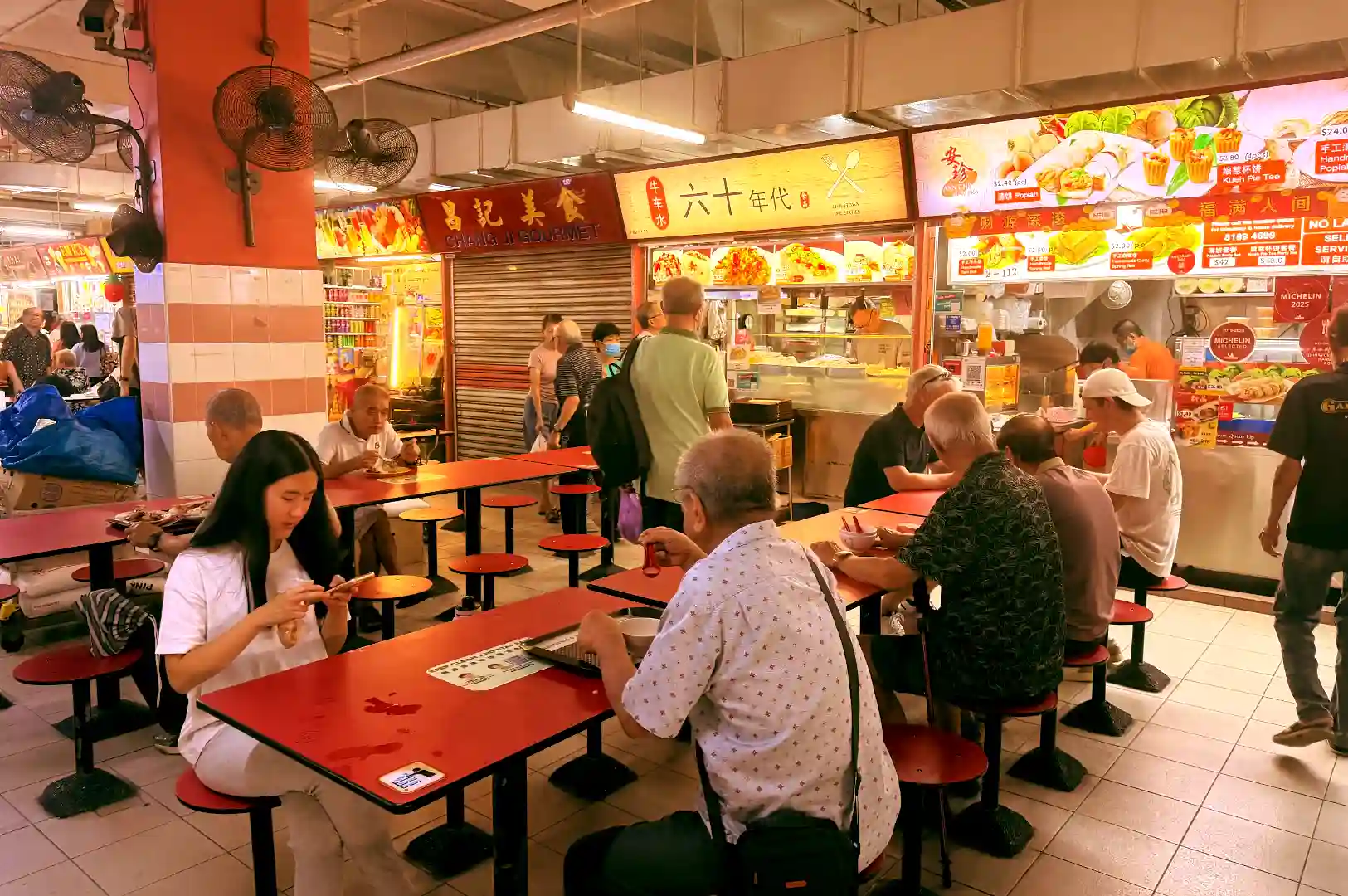
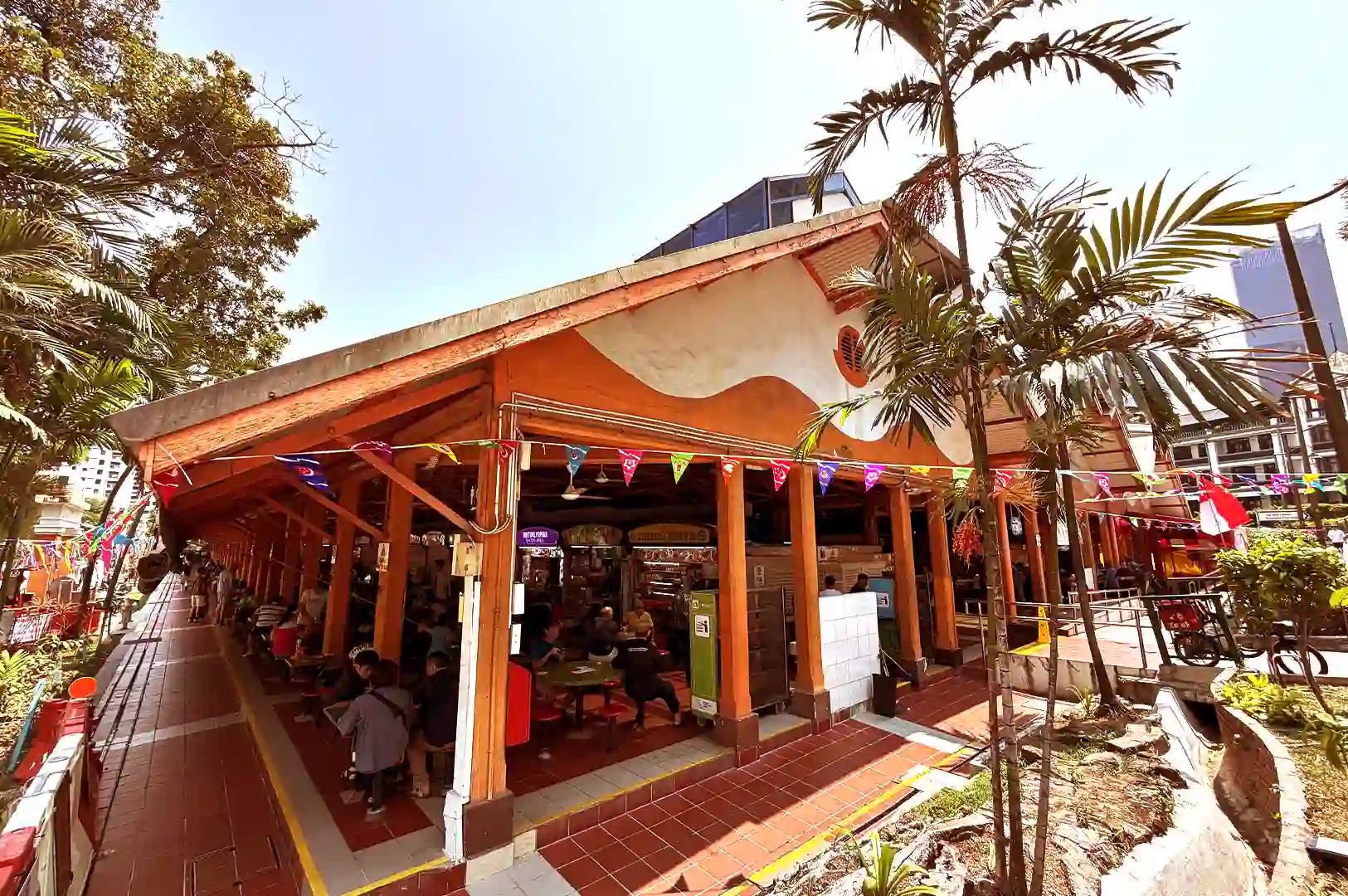
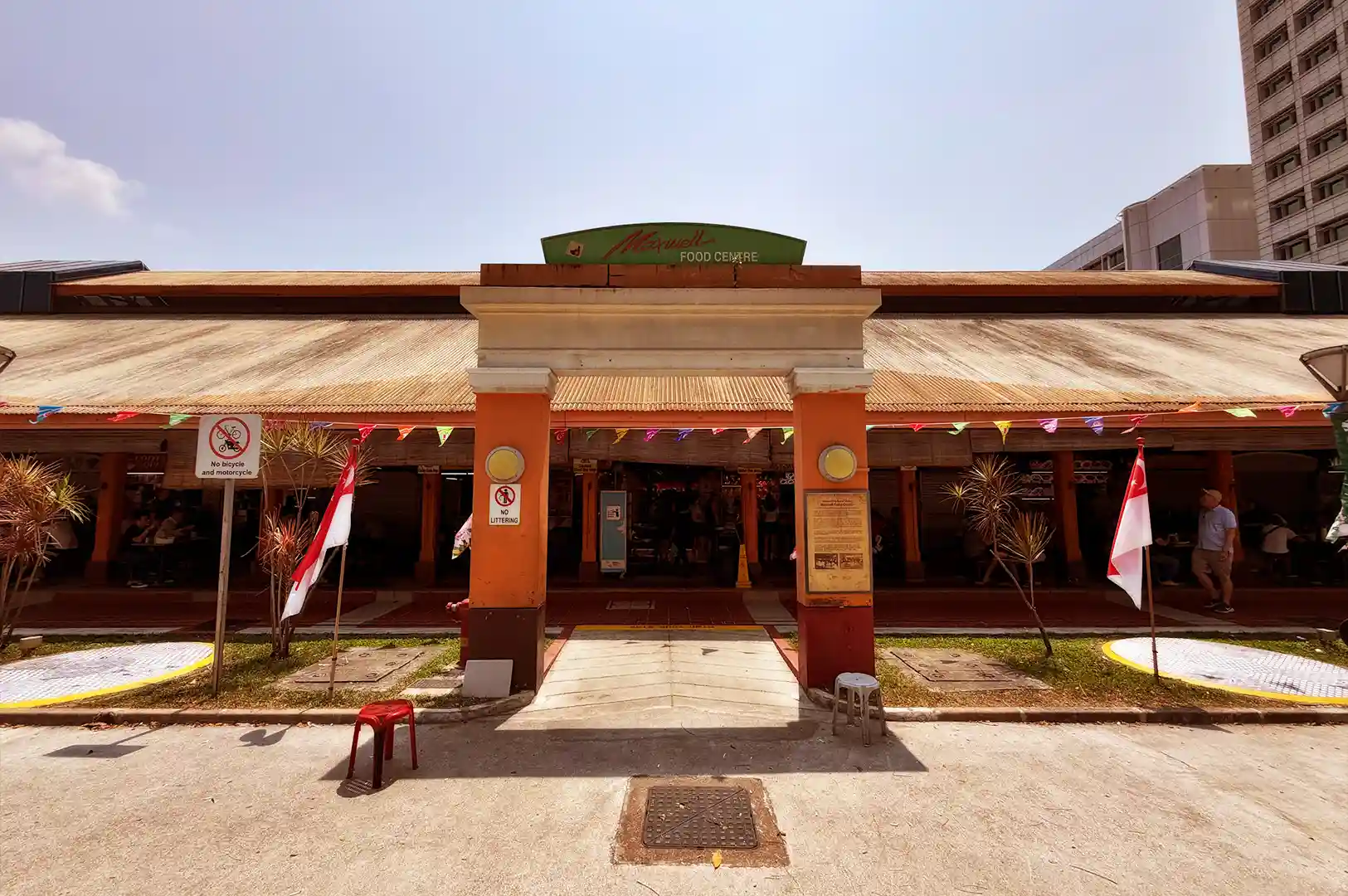
Around Newton Food Centre, other routines continue alongside them. Orders are called. Tables turn over. The next preparation begins.
At Heng Carrot Cake & Oyster Omelette, the work is built through repetition. Turned, lifted, served—the sequence remains familiar.