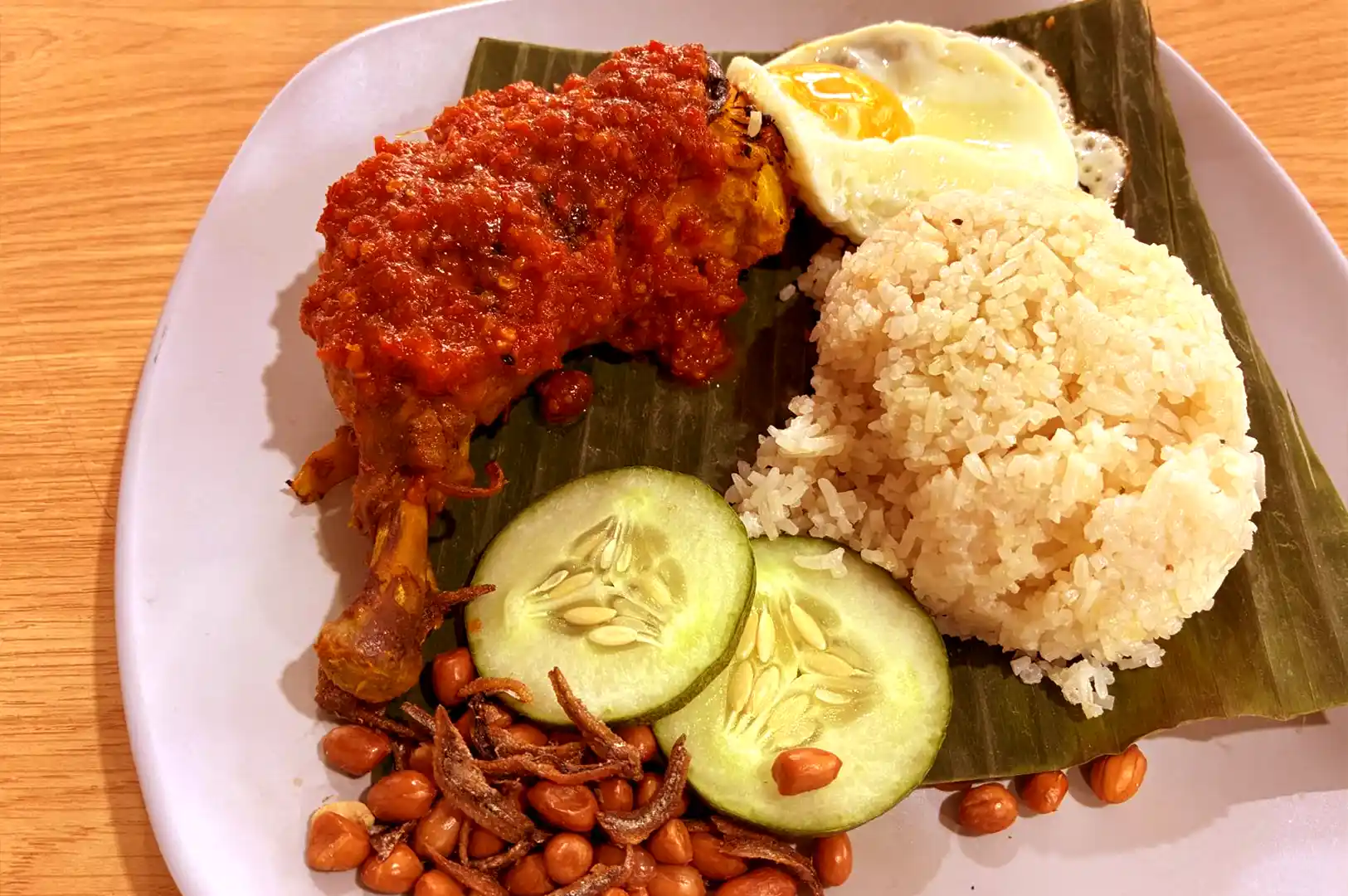

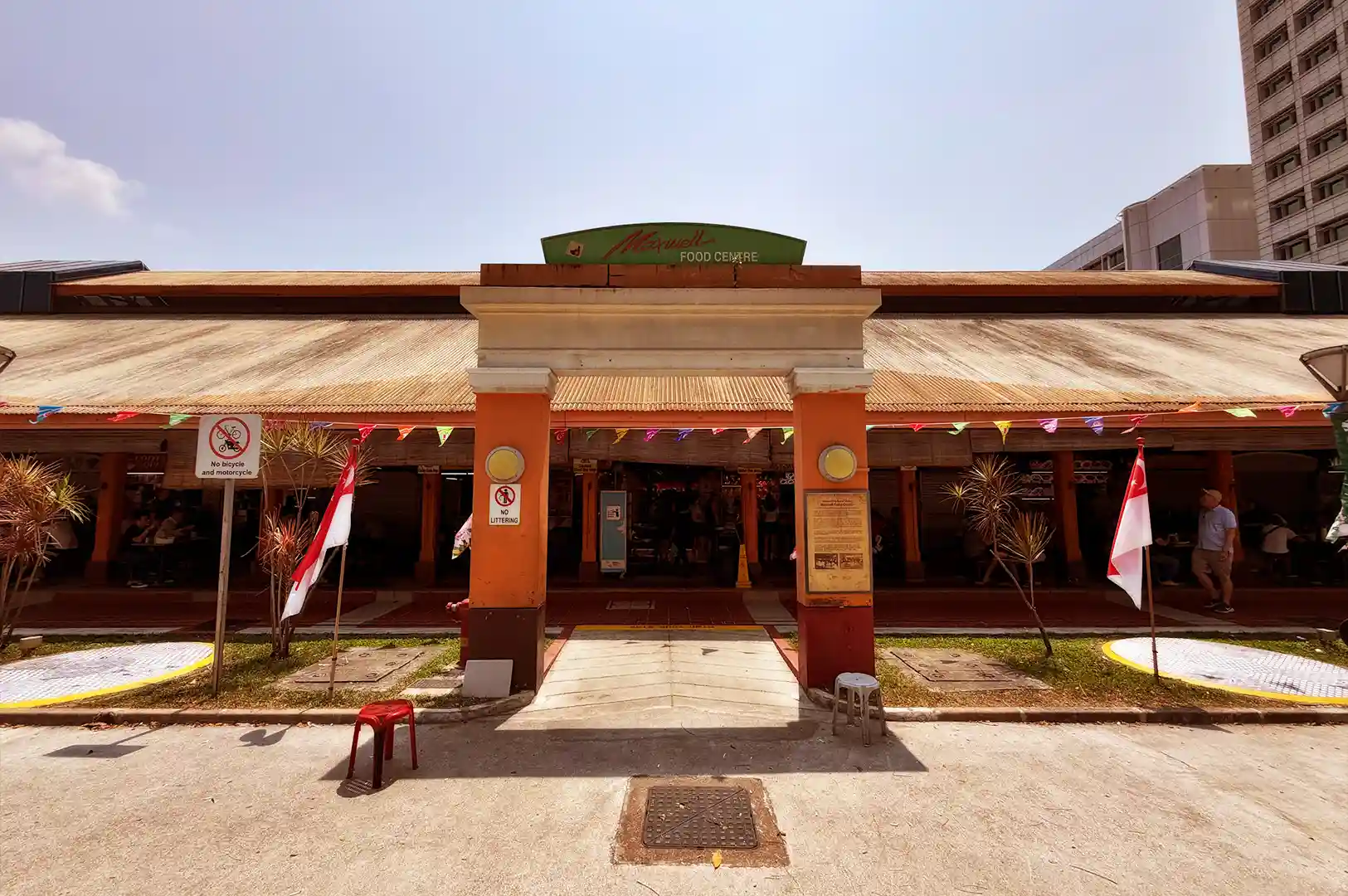
The market came first. The tables followed.
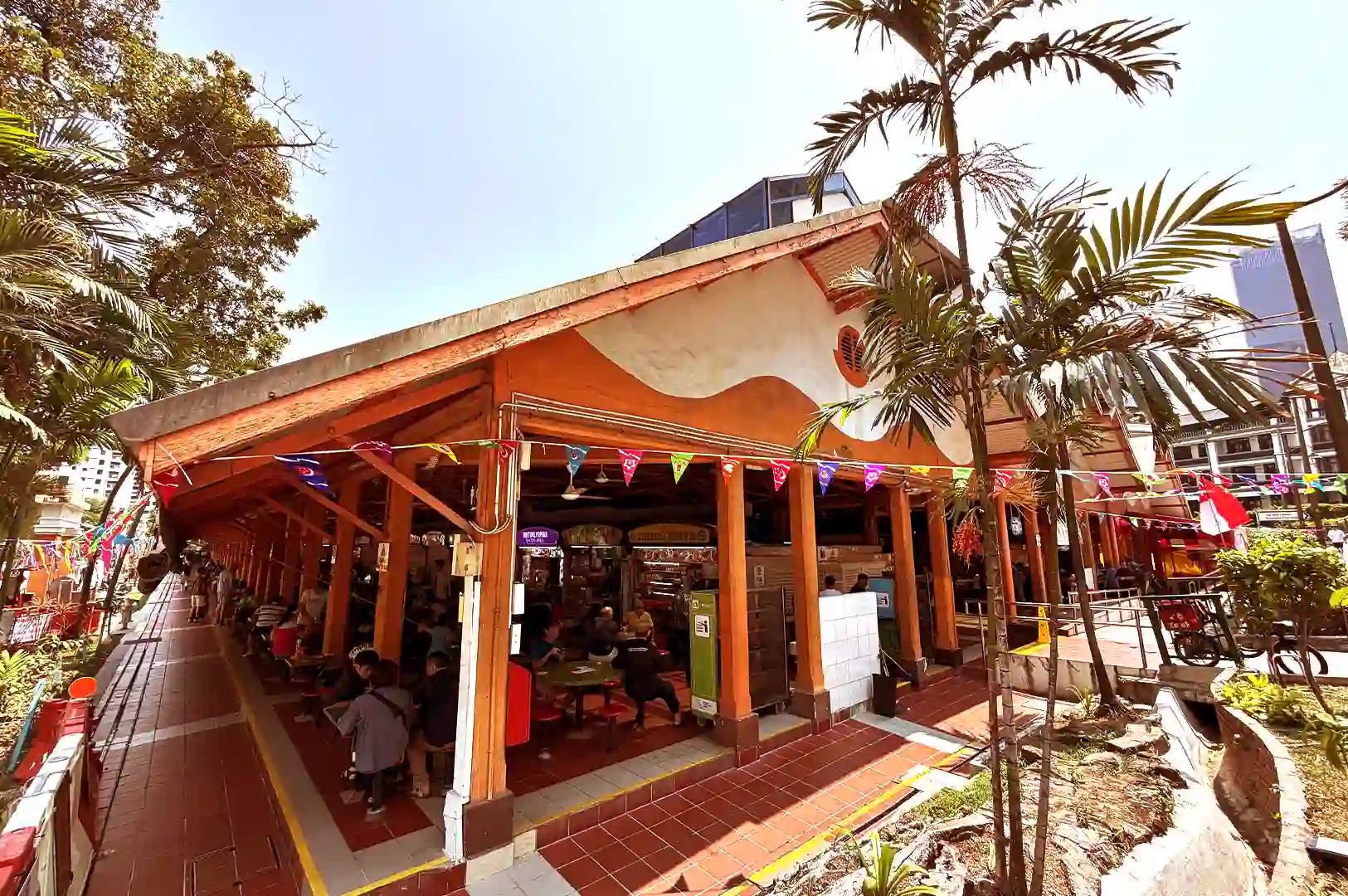
Maxwell Food Centre has been used for eating long before it became the place photographed today. The site began as a market in 1929, surrounded by the movement of fresh produce, vendors, and people coming through Chinatown.
Cooked food arrived alongside this earlier market life. Tables were added. People stayed to eat rather than simply collect what they needed and leave.
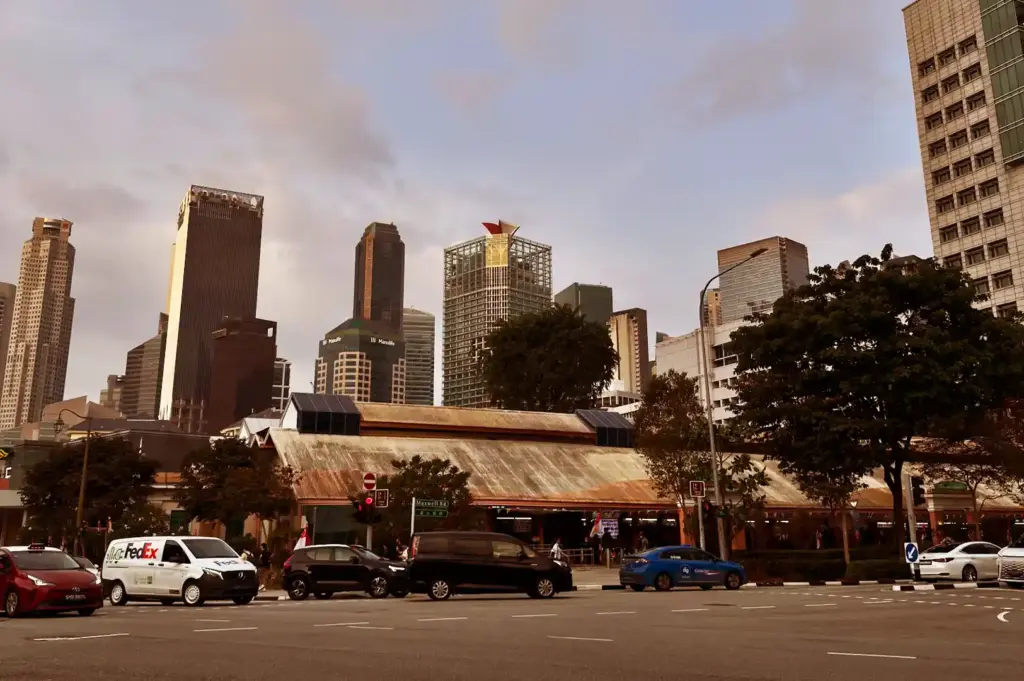
Some surfaces carry more years than others.
After the war, the market also became a place where inexpensive meals were served to people who needed them. Food was not separate from everyday life here. It was part of how people moved through the neighbourhood, worked, met, and carried on.
By the 1980s, more cooked-food hawkers were being brought into the market. In 1987, Maxwell Road Market officially became a food centre.
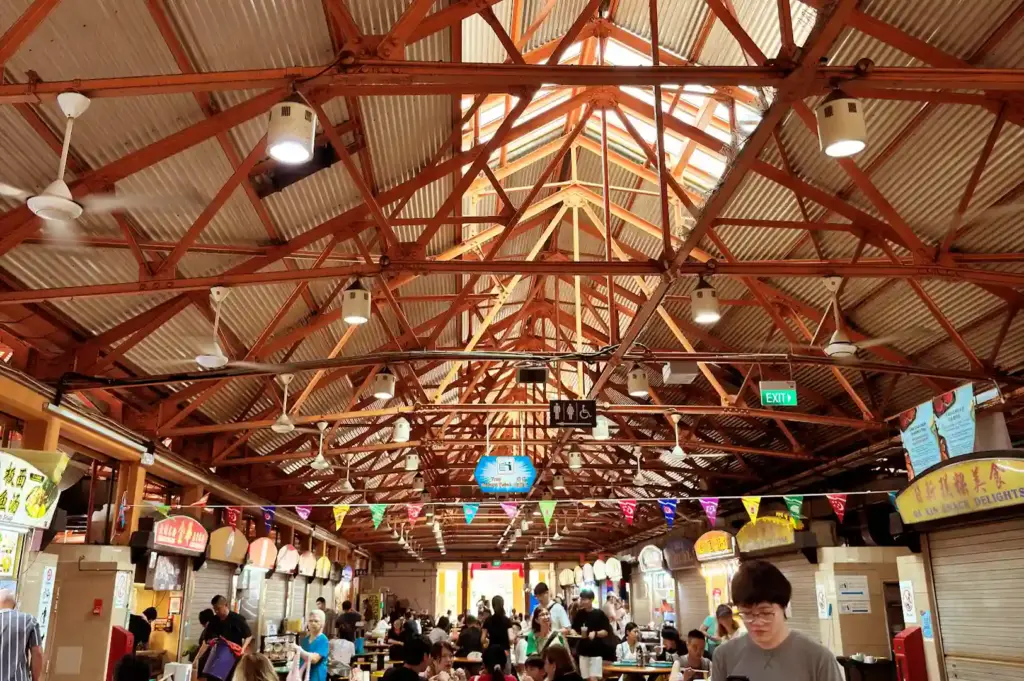
The way people eat changes the space more than the tables do.
Today, the pattern remains recognisable.
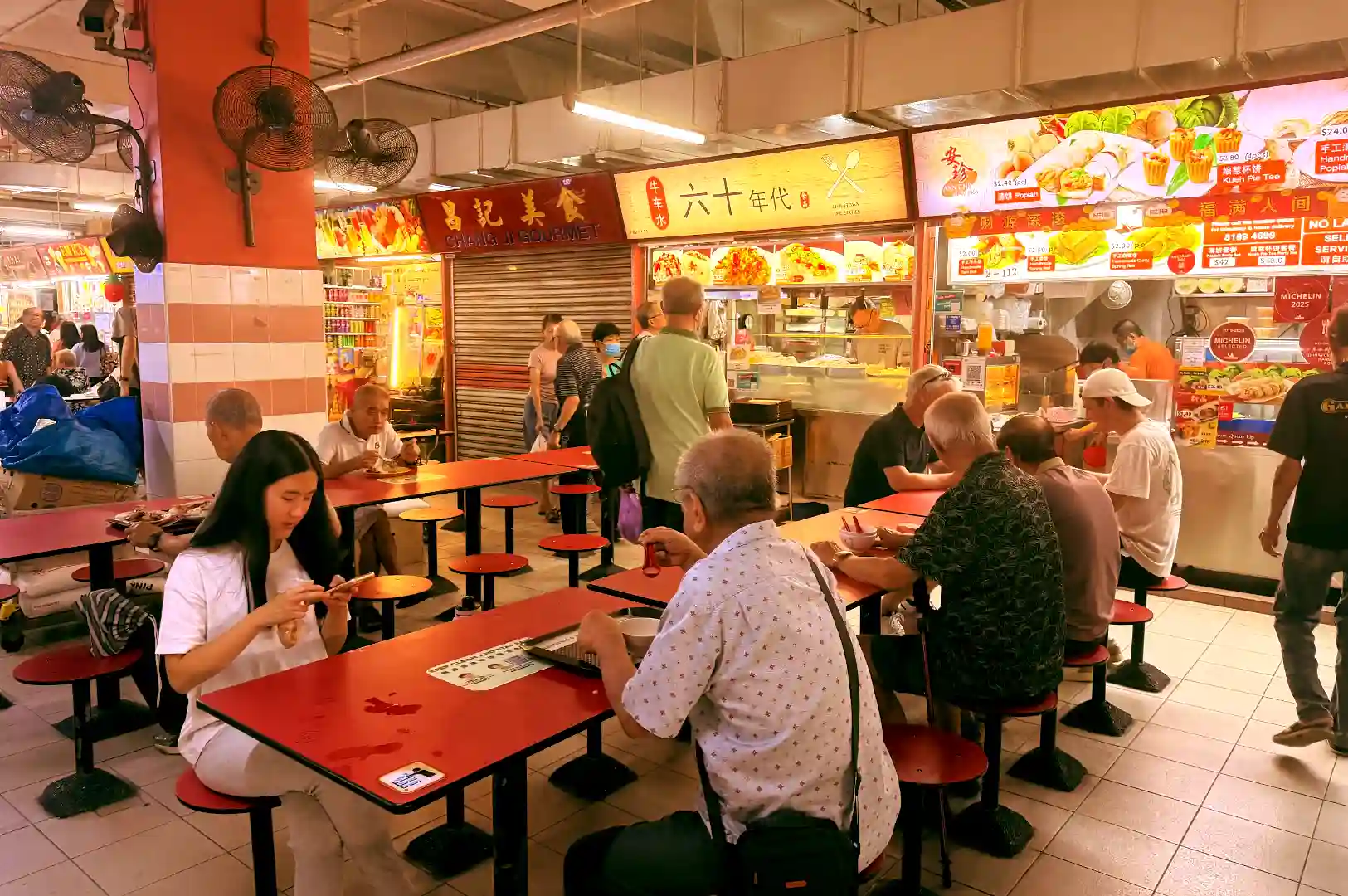
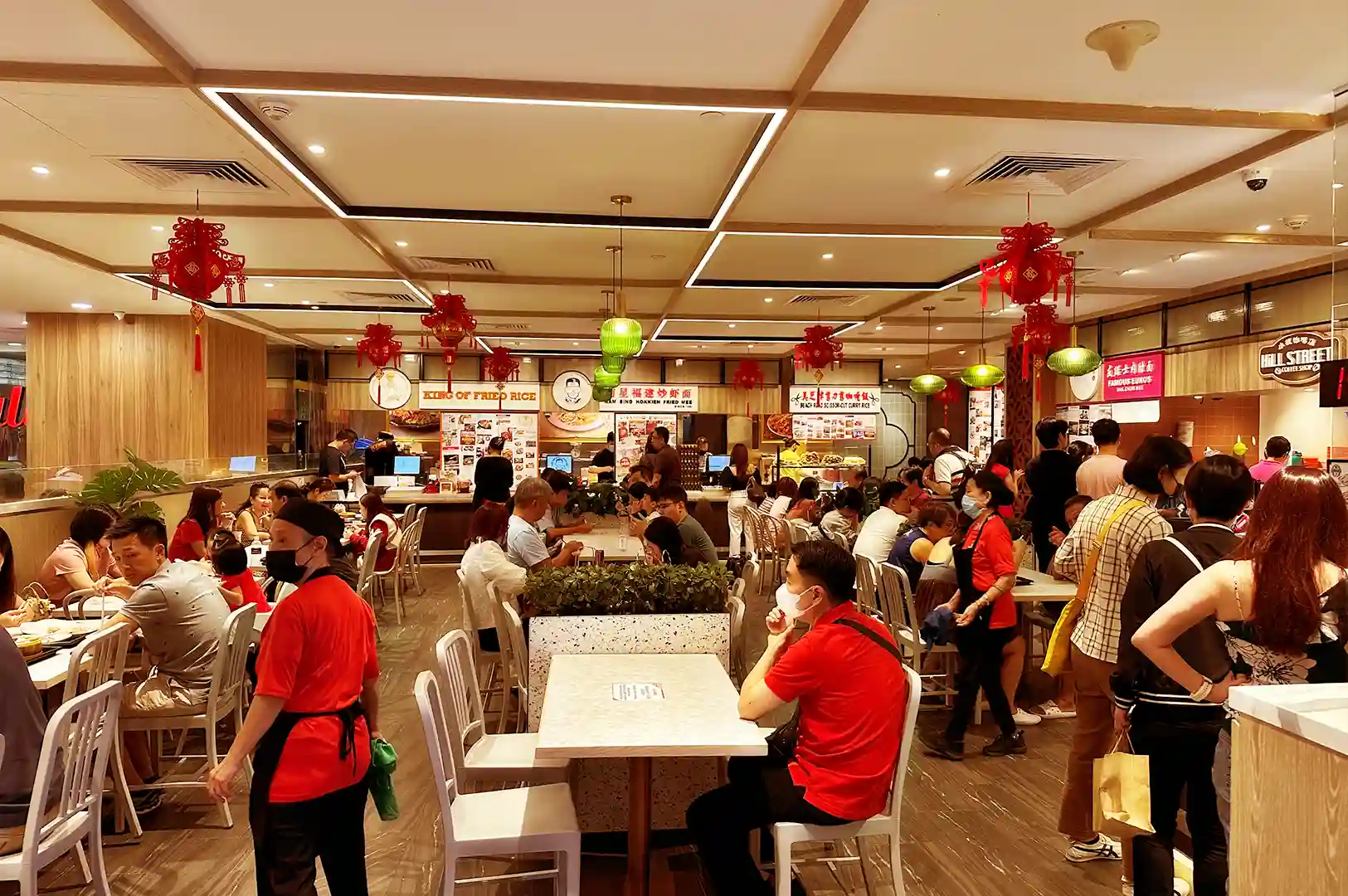
People arrive alone and sit beside strangers. Office workers eat quickly. Older diners stay longer. Friends talk across bowls and plates. Someone leaves a tray behind while another person searches for a seat.
Meals overlap without needing to be organised.
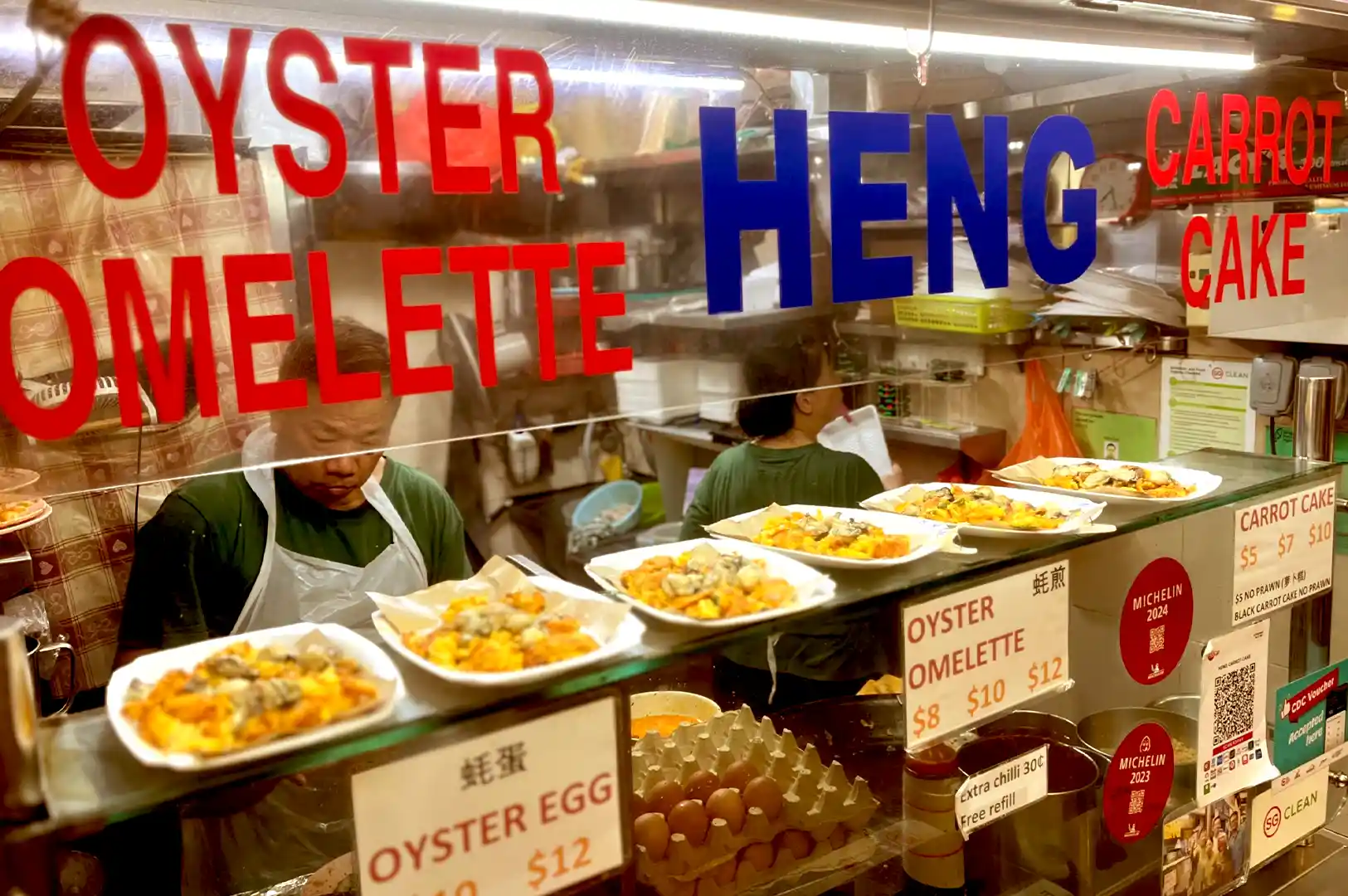
The same everyday movement can be seen in another photographic record of Maxwell Food Centre, where familiar stalls and passing diners share the frame.
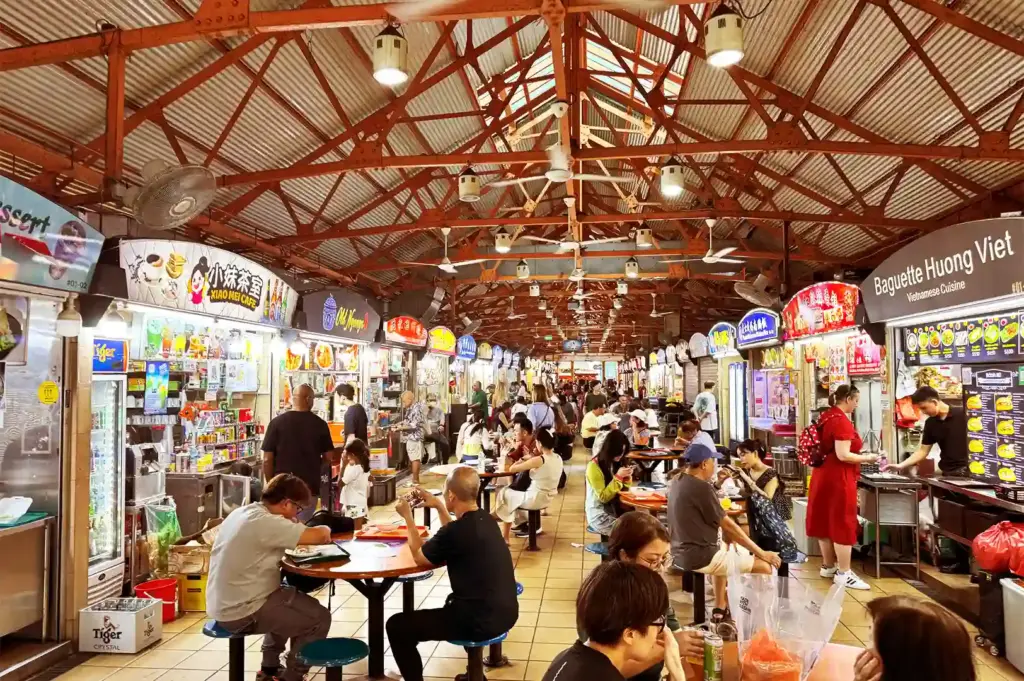
For a moment, the table holds everyone who was there.
A cup remains after its owner has gone. A spoon rests beside an empty bowl. Another diner takes the same seat minutes later.
The building has changed. The stalls have changed. The people have changed.
But the act itself is familiar: arrive, find a place, eat, talk, clear the table, and make room for someone else.
That repetition is part of Maxwell’s history too.