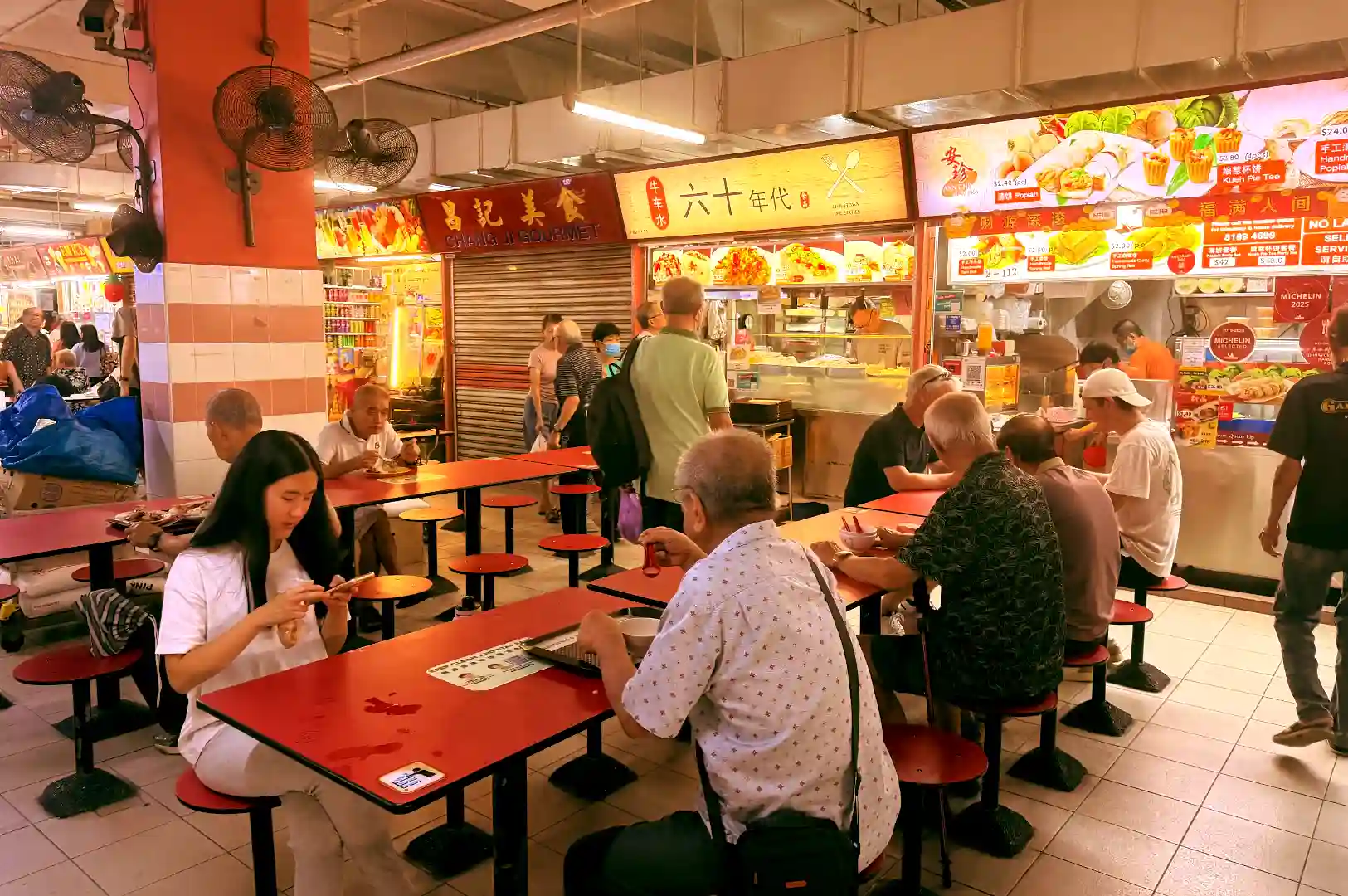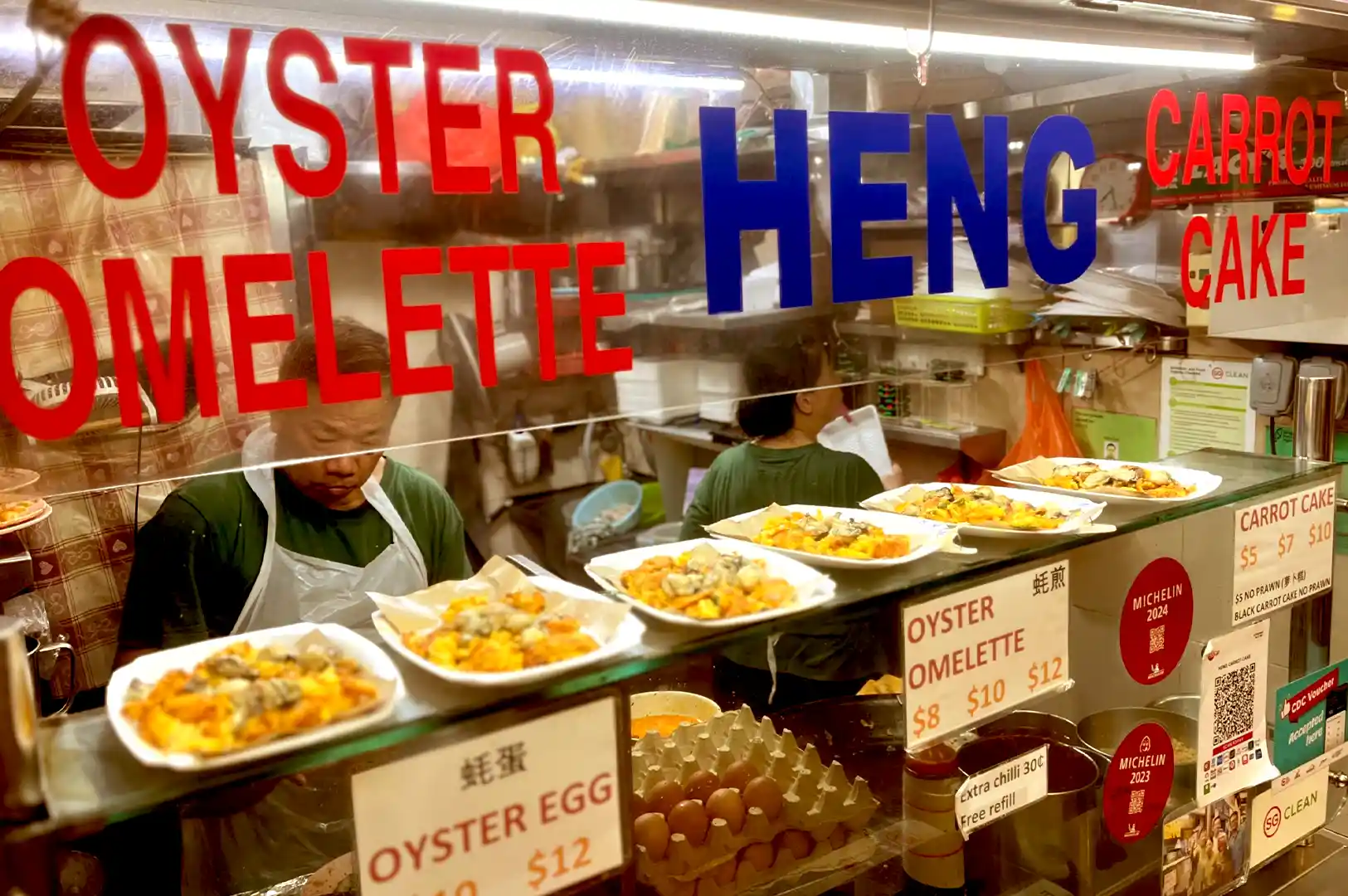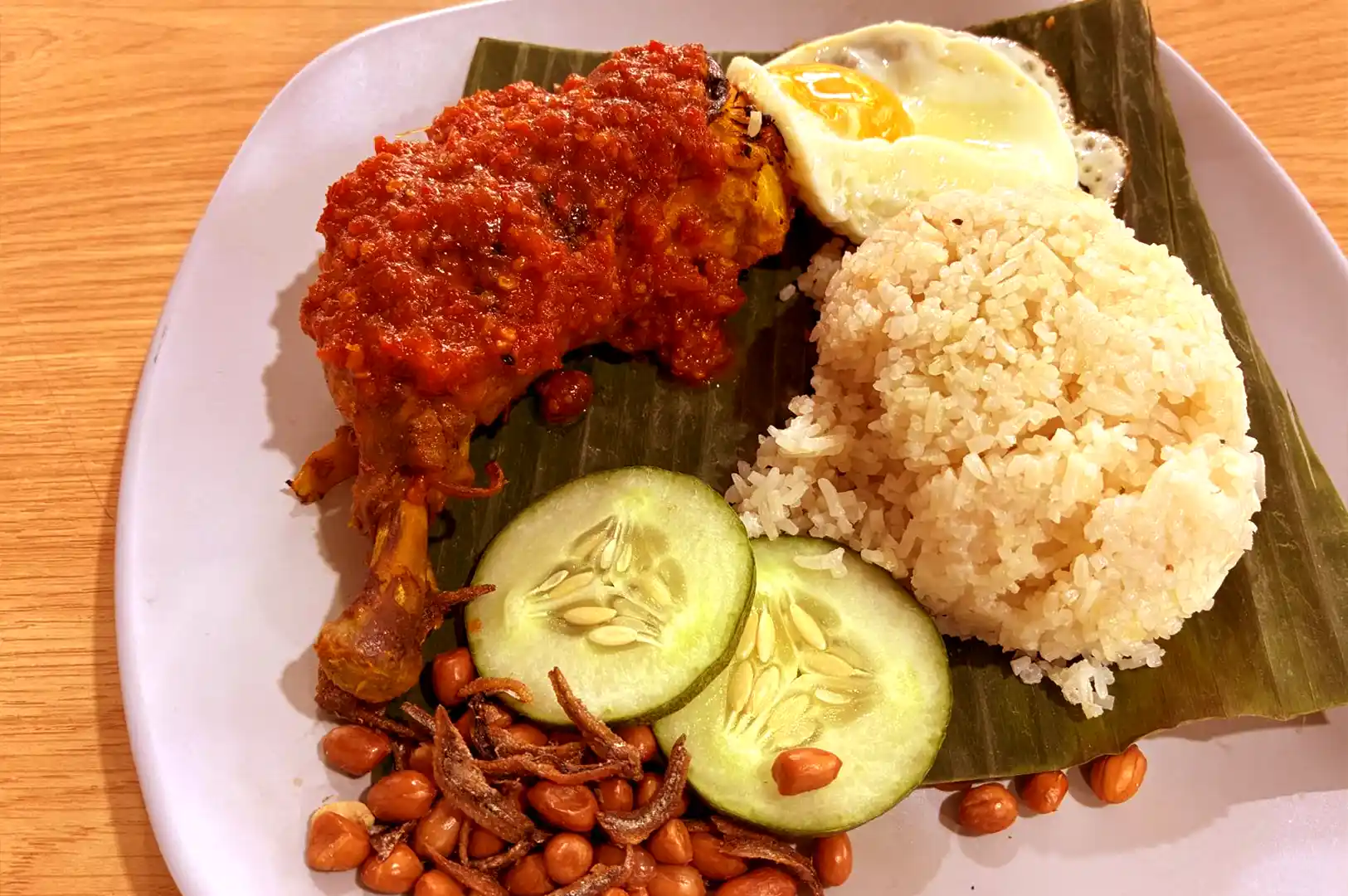

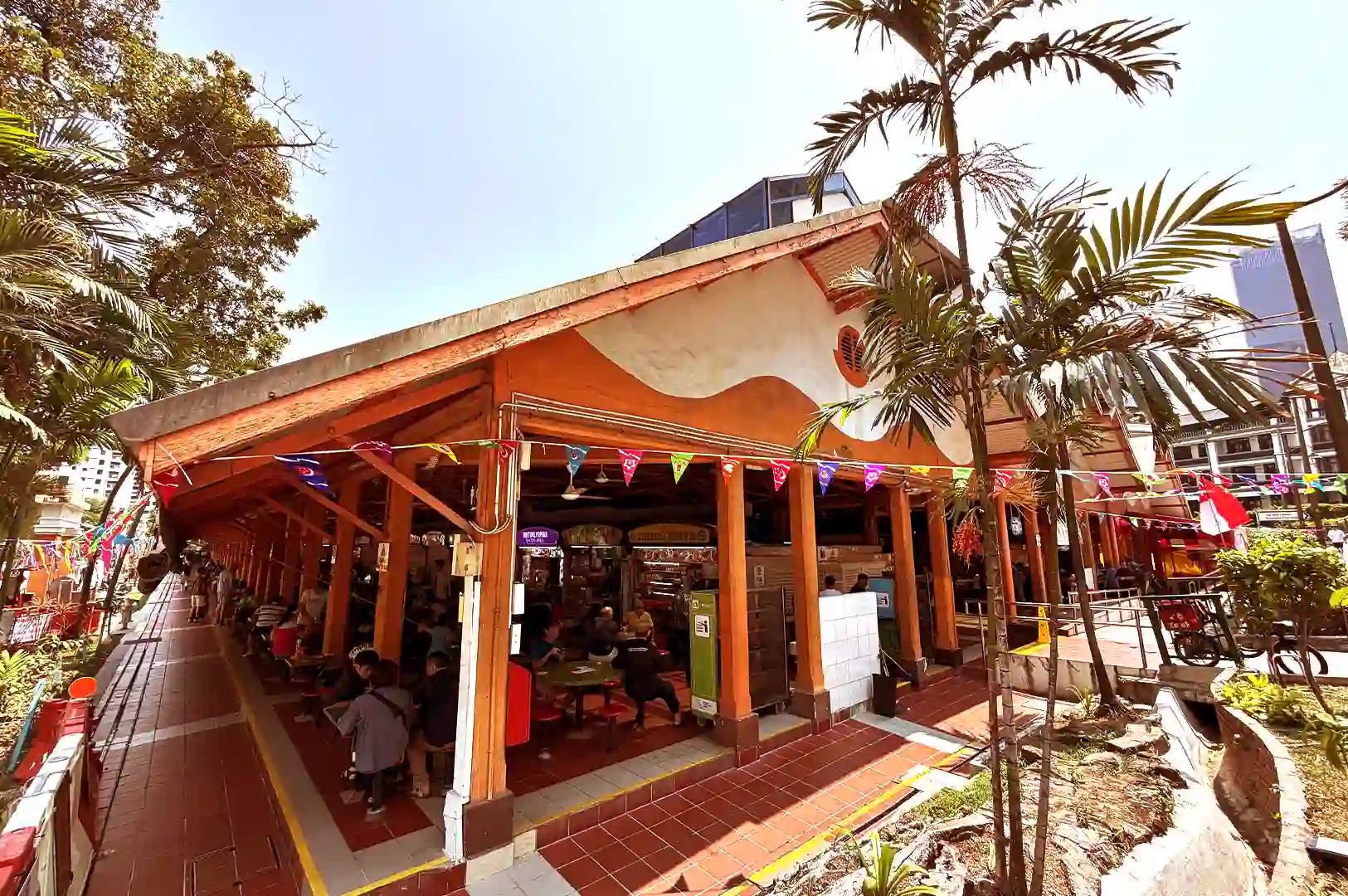
We rarely understand what has changed while we are standing there. On most visits, the stall feels complete in the present—the same counter, familiar equipment, ingredients arranged for another day of service. We photograph what is in front of us and leave without assuming that anything significant has shifted.
It is only weeks later, when we place two photographs beside each other, that time becomes visible.
At first, we look for obvious differences. A replaced sign. A new container. Something moved from one side of the counter to the other. But these are rarely the details that keep our attention. The changes we remember tend to be smaller and less deliberate.
A stack of bowls has become taller. A handwritten notice has disappeared. The cloth hanging from the side of the counter is a different colour. A once-clear section of stainless steel now carries another layer of use.
None of these things seemed important when we photographed them.
That is precisely why we return to the images.
We once compared two photographs of the same stall taken several weeks apart. The composition was nearly identical. From a distance, we could have mistaken them for photographs from the same morning. Then we noticed that a container had moved closer to the cook. In the later image, the hand reached a shorter distance to retrieve it.
We cannot know why it moved.
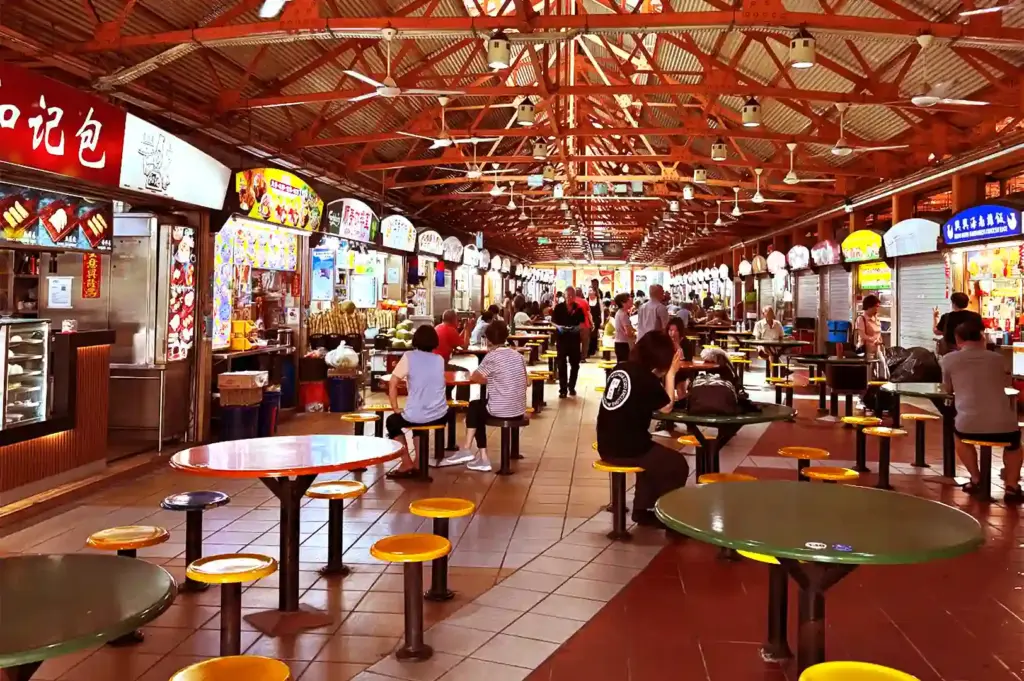
Perhaps the change was intentional. Perhaps someone placed it there one morning and discovered that it worked better. Our photographs cannot answer that, and we do not need them to.
They can only show that something shifted and then remained.
That experience changed how we looked through older folders. Photographs we had considered repetitive suddenly became useful precisely because of their repetition. The same framing gave us a reference point. Instead of asking which photograph was stronger, we began asking: what happened between them?
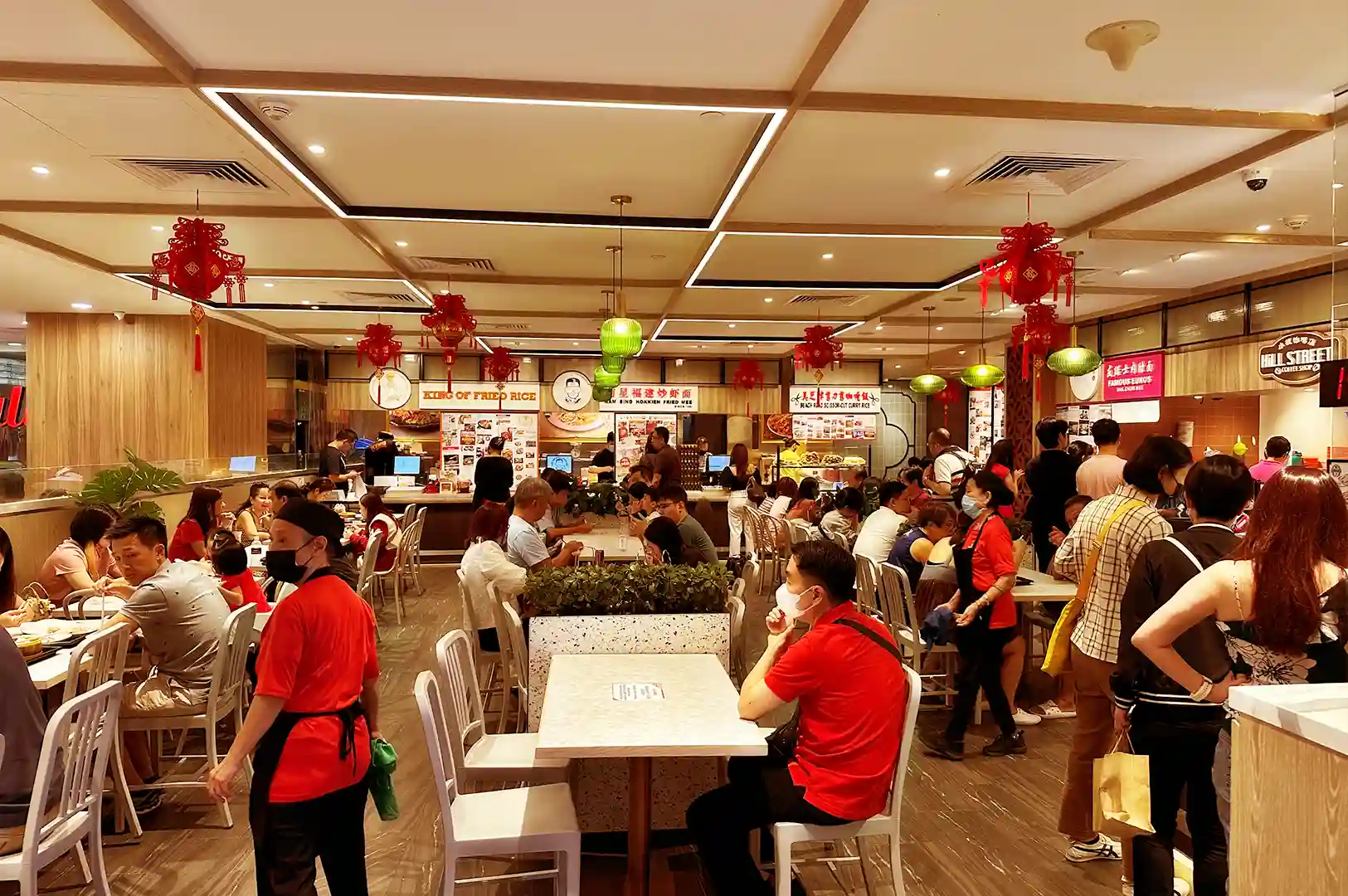
Sometimes that comparison extends beyond a single stall. Everyday food spaces are continually rearranged through use, even when their larger identity appears unchanged.
Now, when we return after several weeks, we do not immediately search for something new.
We photograph what seems familiar.
Later, the images can do something memory cannot. They hold two ordinary days still long enough for us to compare them without relying on what we think was there before.
And occasionally, almost hidden between those two frames, we find the evidence of time passing.
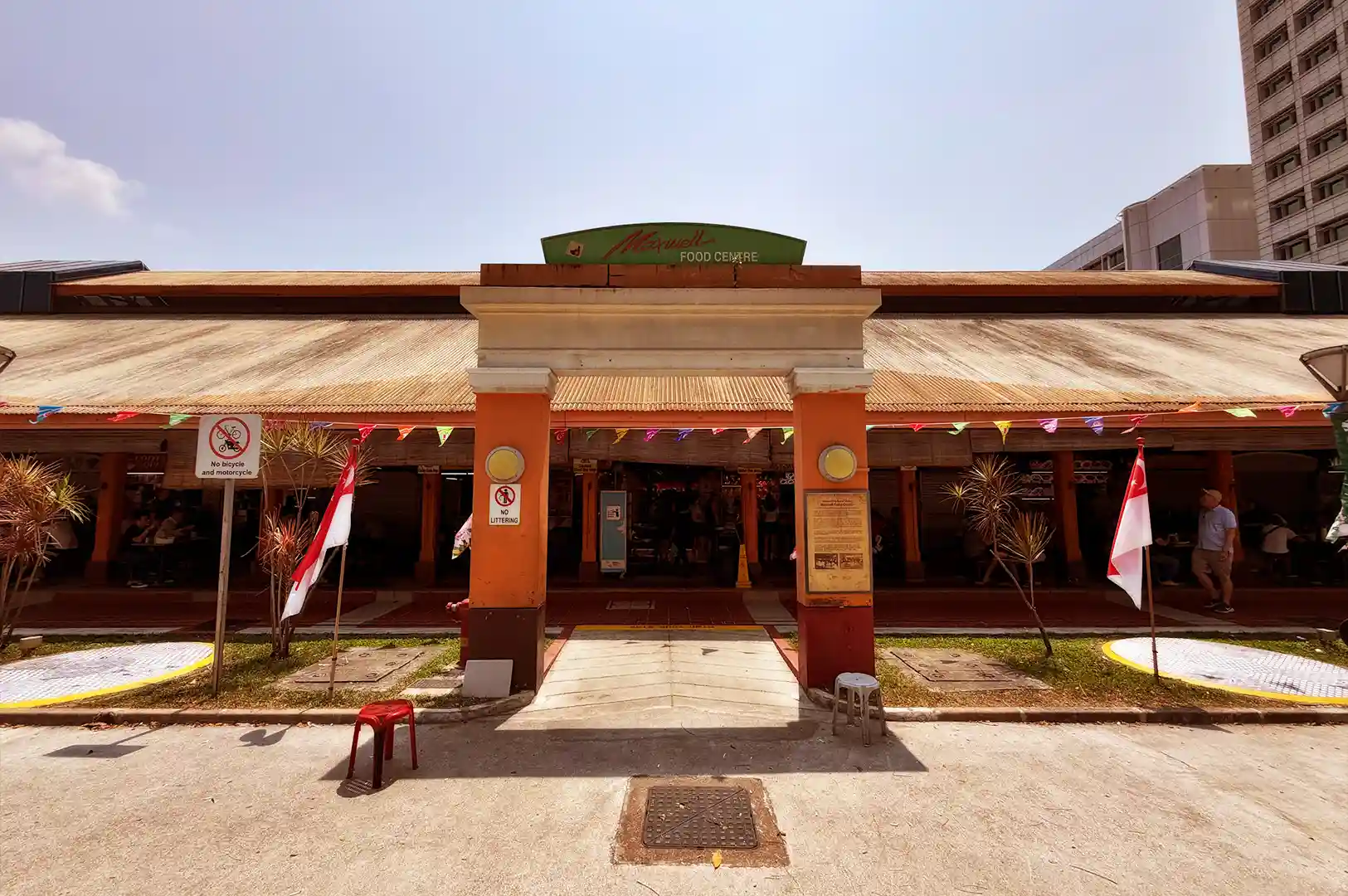
For another record built through repetition, continue with how Maxwell Food Centre morning cycles remain steady across repeated observations.