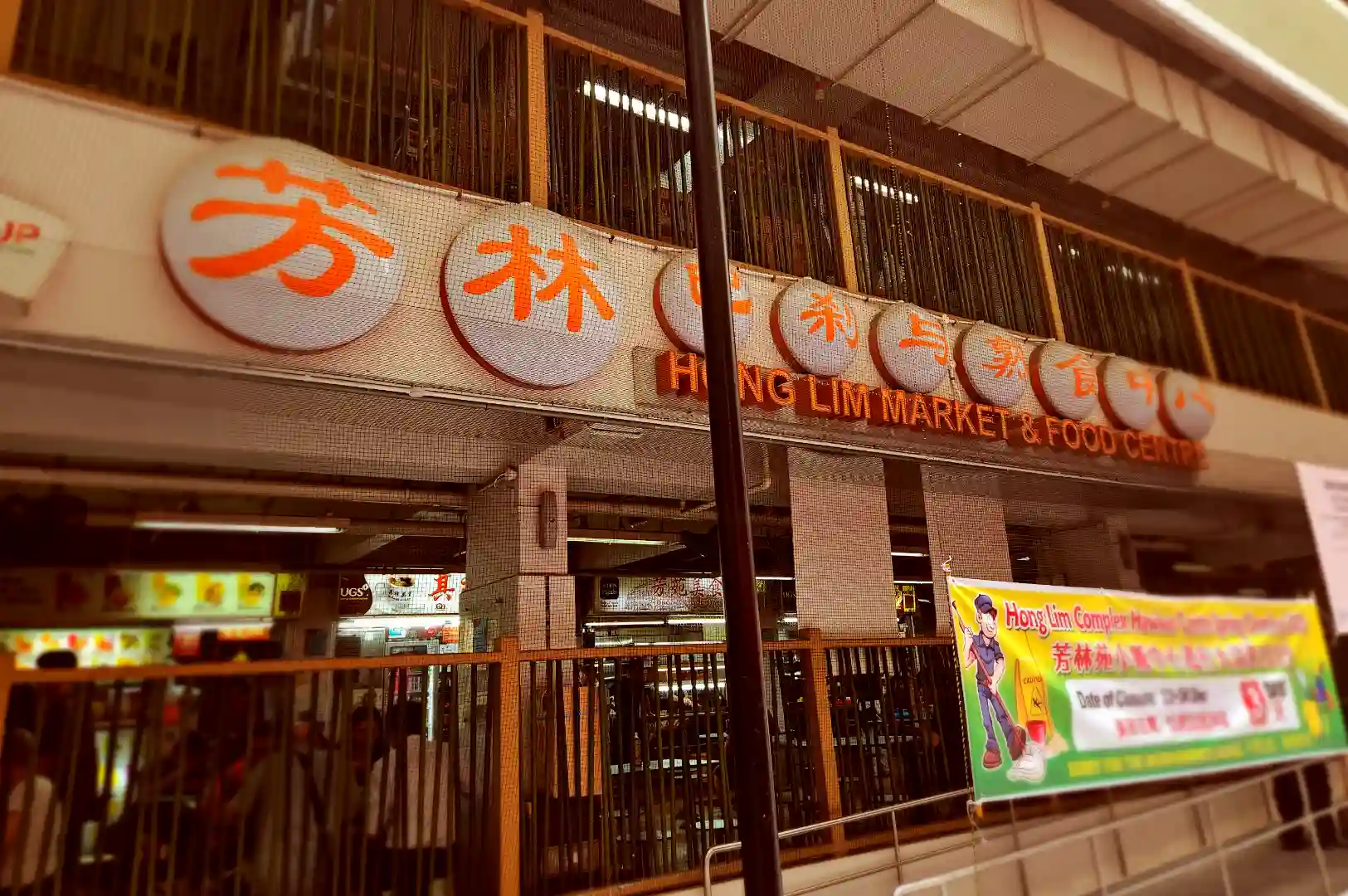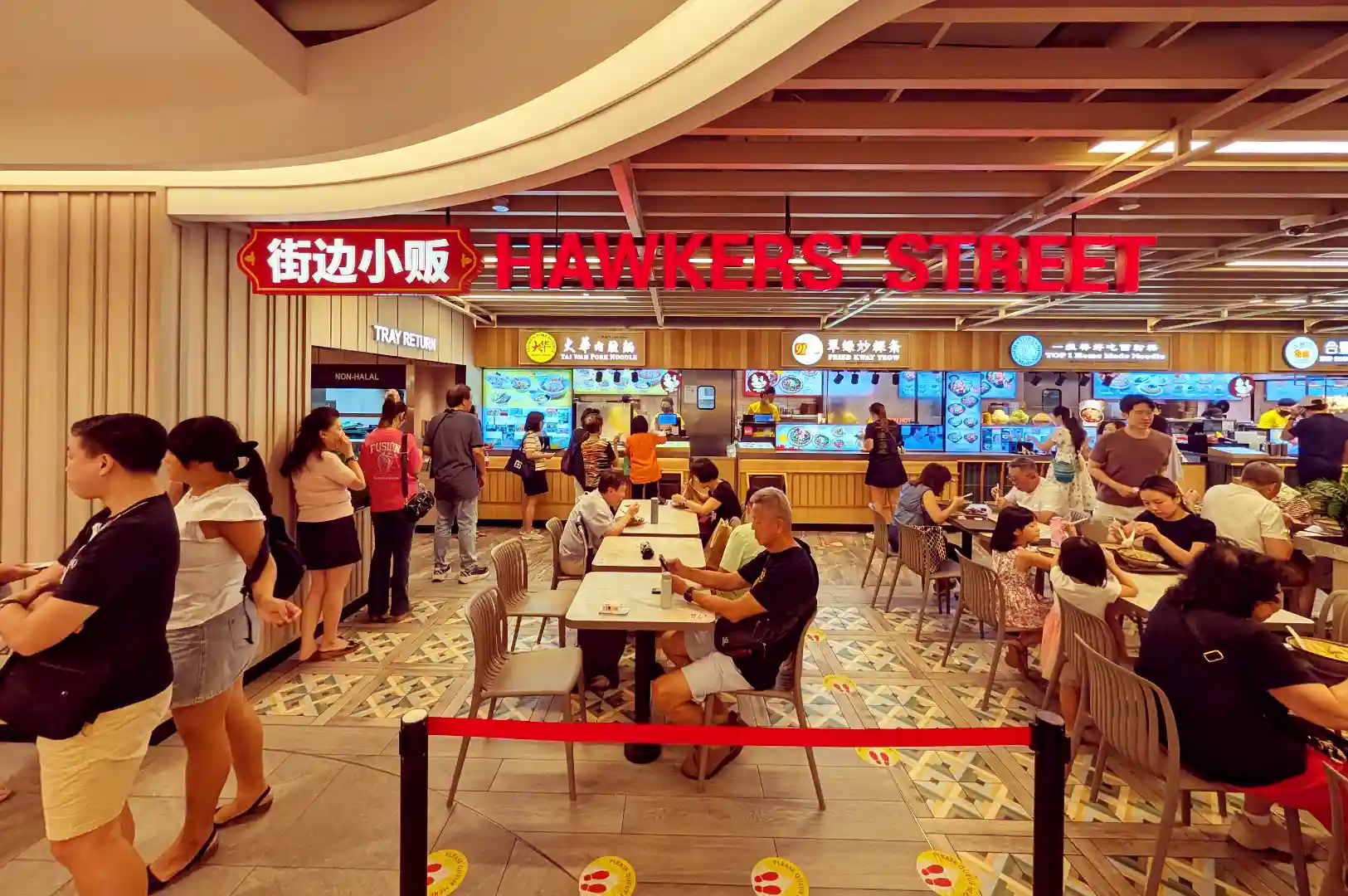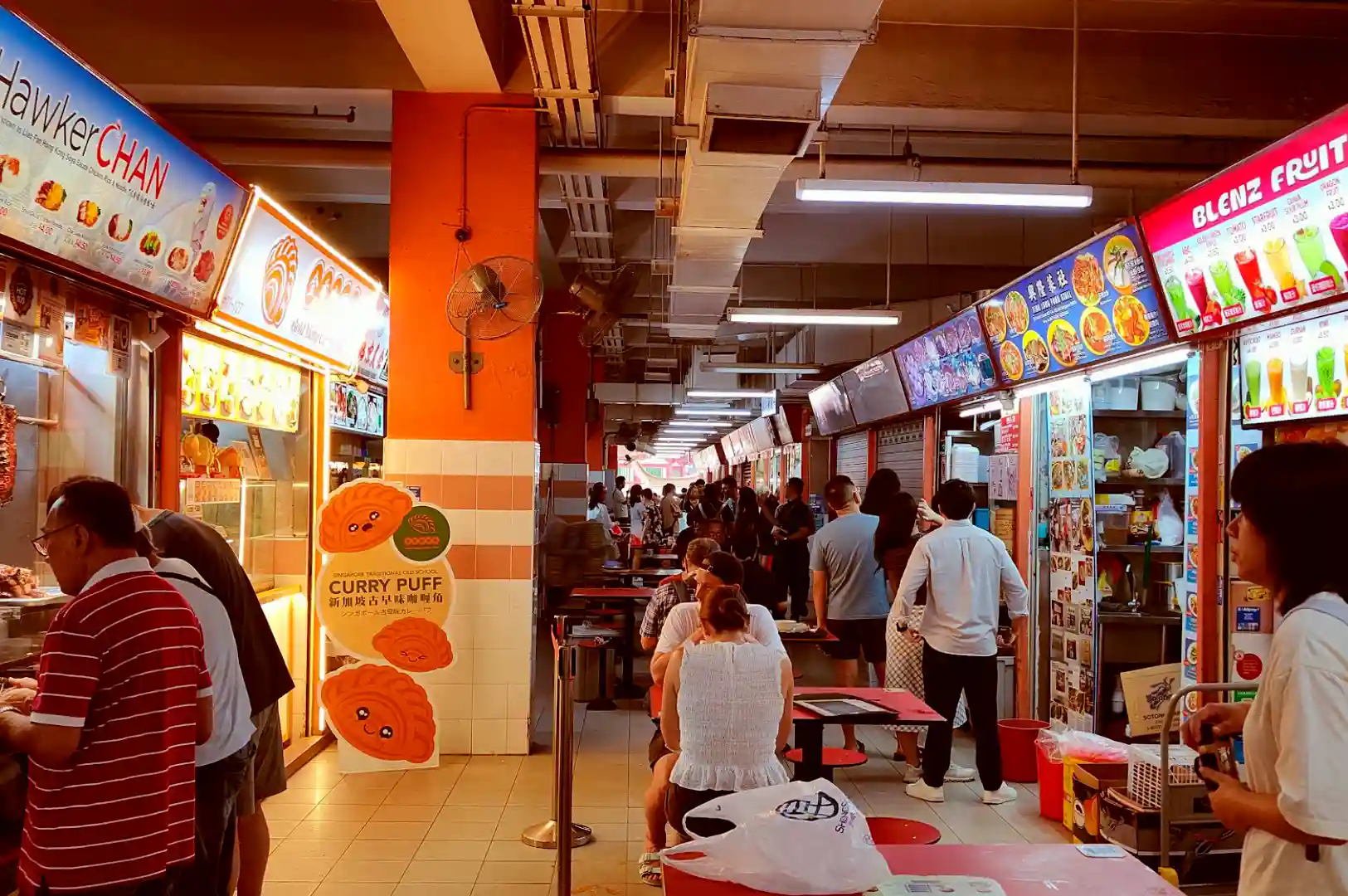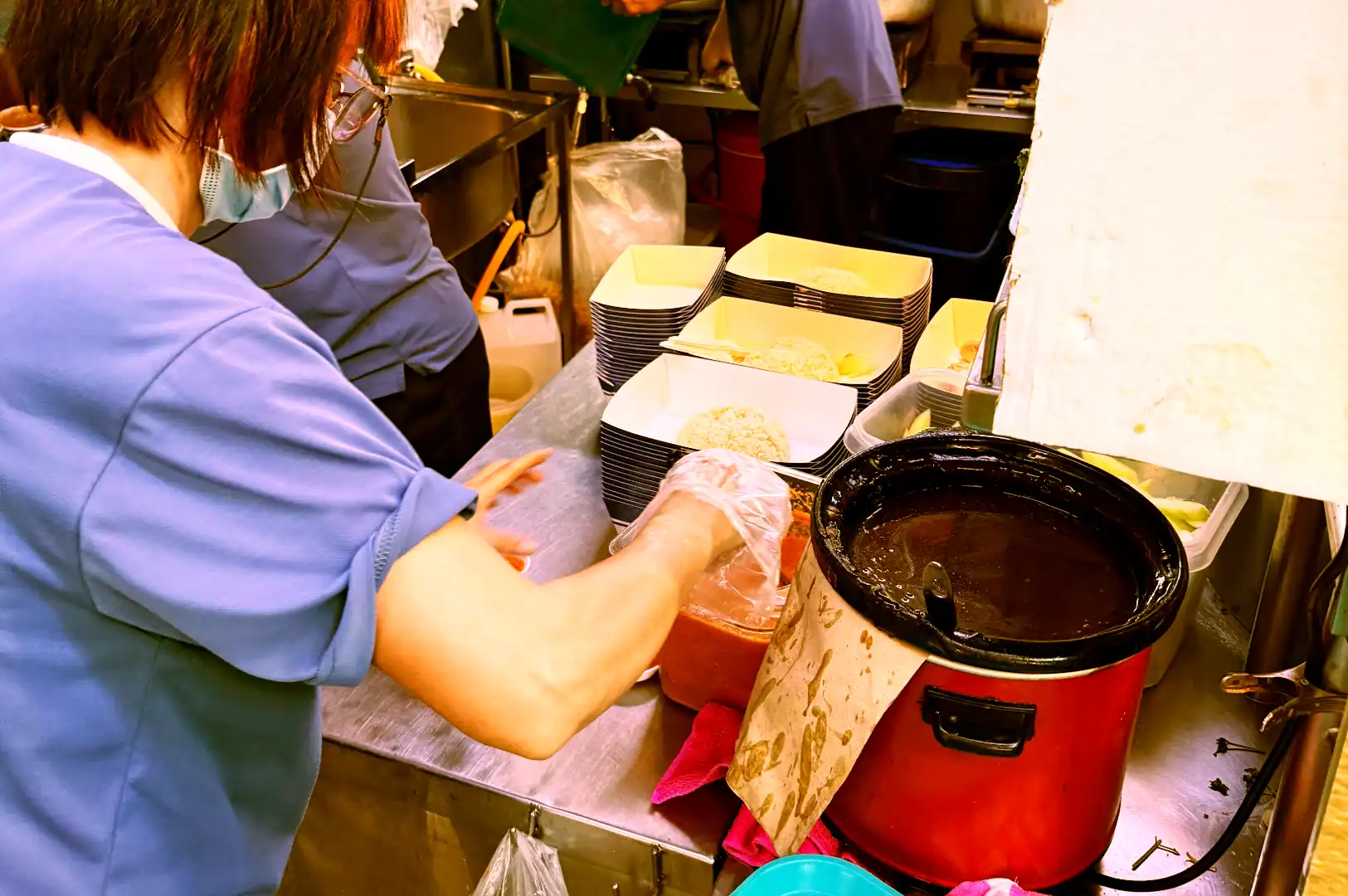

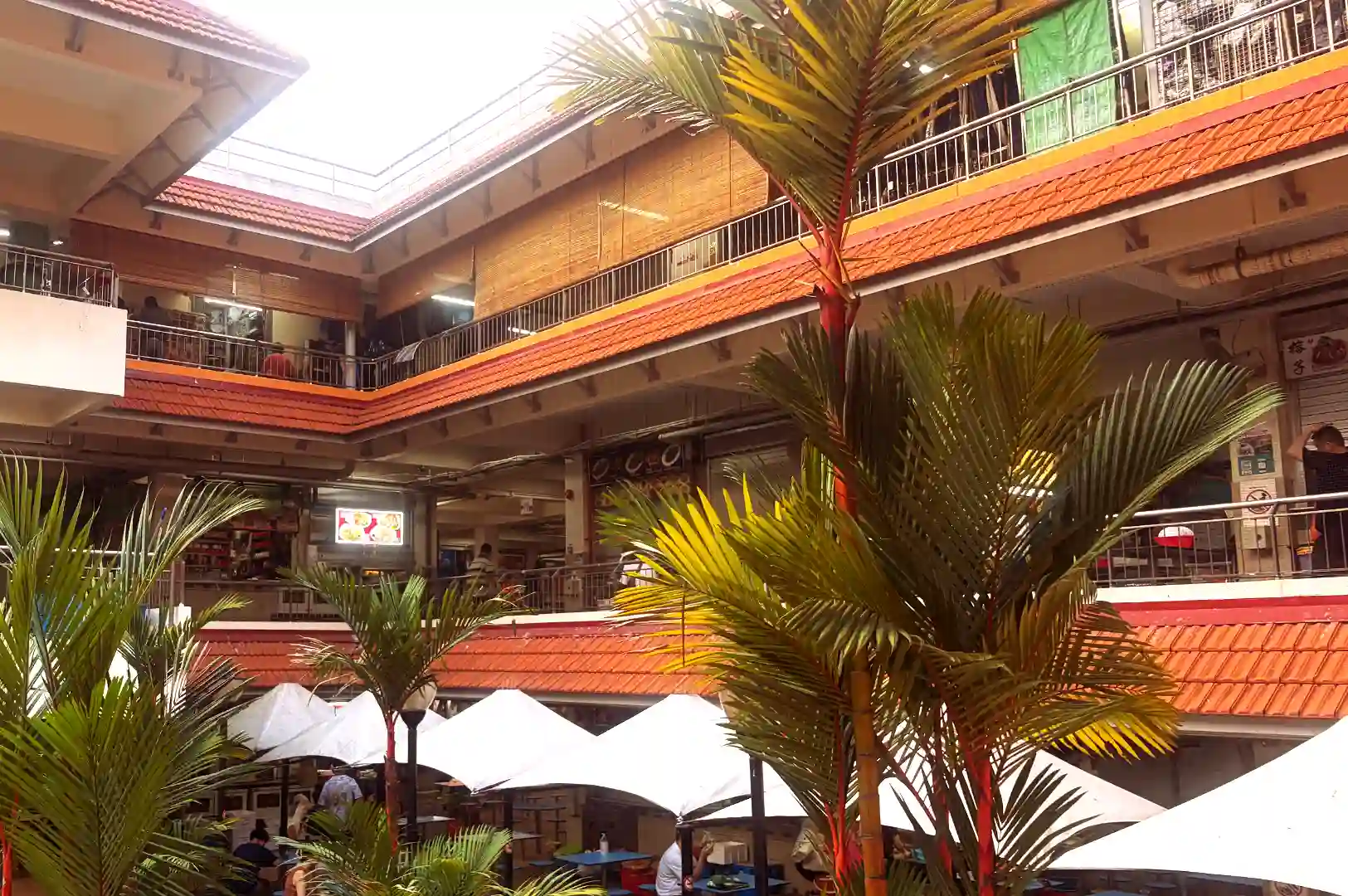
I returned to a familiar hawker centre one afternoon without any particular reason for being there. I wasn’t looking for a new stall, an unfamiliar dish, or something interesting enough to photograph.
I simply wanted to sit somewhere I already knew, and that felt like enough.
There was a time when I approached places differently, always hoping to discover something I hadn’t noticed before. I would walk through the aisles slowly, looking for unusual details, unfamiliar faces, or small moments that might make the visit memorable.
But that afternoon, I wasn’t searching for anything.
The Comfort of Knowing What Comes Next
I chose a table near the same aisle where I had sat before, and the surroundings felt almost exactly as I remembered them. The sound of utensils against plates, conversations overlapping, and stallholders calling out orders created a familiar background.
Nothing seemed particularly different, but I didn’t feel disappointed.
I watched someone carry two bowls towards a nearby table, while another customer stood waiting beside the drinks stall.
These were ordinary movements I had witnessed countless times, yet I found myself enjoying their predictability.
I realised how often we expect familiar places to offer something new, as though returning without discovering anything means the visit was wasted.
Perhaps I had believed that myself.
Not Every Visit Needs a Discovery
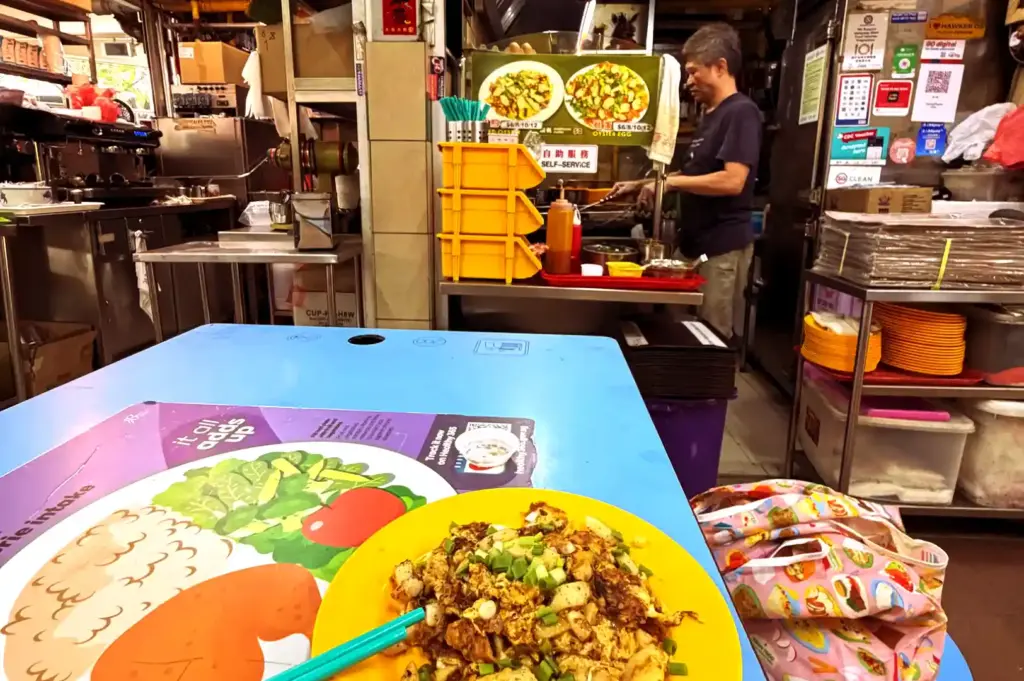
On previous visits, I sometimes felt compelled to take photographs simply because I had brought my camera along. I would wait for the light to change or for something unexpected to enter the frame.
This time, the camera remained inside my bag.
I had already photographed similar scenes, and I didn’t feel the need to collect another version of something I recognised.
Instead, I stayed at the table, allowing the afternoon to continue without my attention directing it.
I thought about the familiar corners of Maxwell Food Centre and how ordinary spaces can hold personal histories through repeated visits.
That sense of continuity also appears in the memories held around Maxwell’s shared tables, where the everyday experience of sitting, eating, and returning becomes part of the place itself.
Familiarity Has Its Own Kind of Meaning
As the afternoon continued, I noticed that familiarity had changed the way I experienced the space. I no longer needed to identify every sound or follow every movement with curiosity.
I knew roughly what would happen next, and there was something reassuring about that.
A table would empty, someone else would take it, and the same small routines would continue.
I began to understand that a place doesn’t have to change for our relationship with it to deepen.
Sometimes, returning allows us to become comfortable with what we already know.
Leaving Without Something New
When I finally stood to leave, I couldn’t identify anything remarkable about the afternoon. I hadn’t discovered a new dish, spoken to anyone unfamiliar, or taken a photograph worth keeping.
But I remembered how comfortable I had felt simply being there.
I used to think that revisiting a place meant looking for something I had missed.
Now, I think returning can be its own reason.
Not every place needs to surprise me.
Some places are worth returning to because they no longer have to.
https://hawkerphotography.com.sg/i-dont-need-every-place-to-surprise-me/