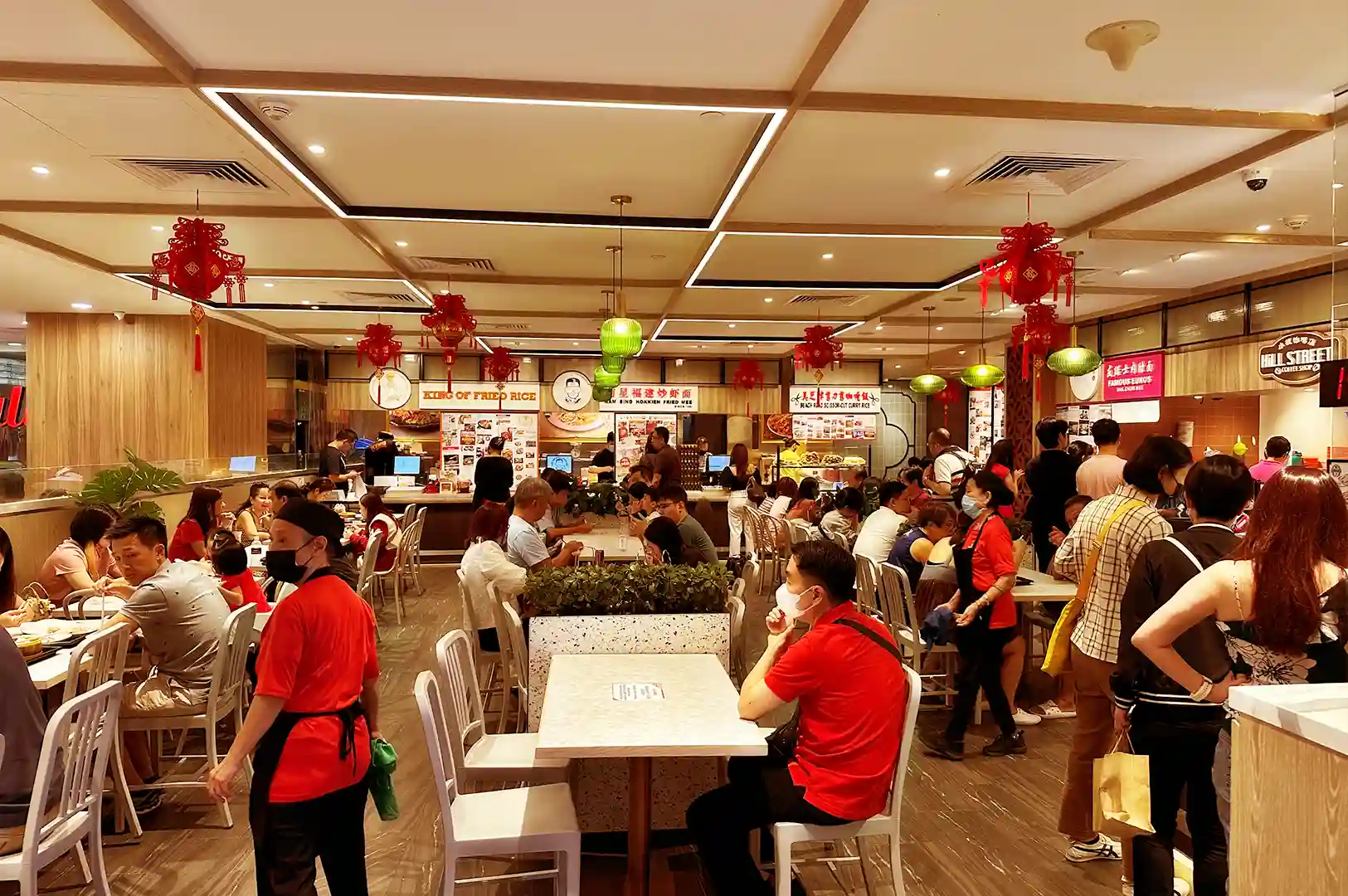

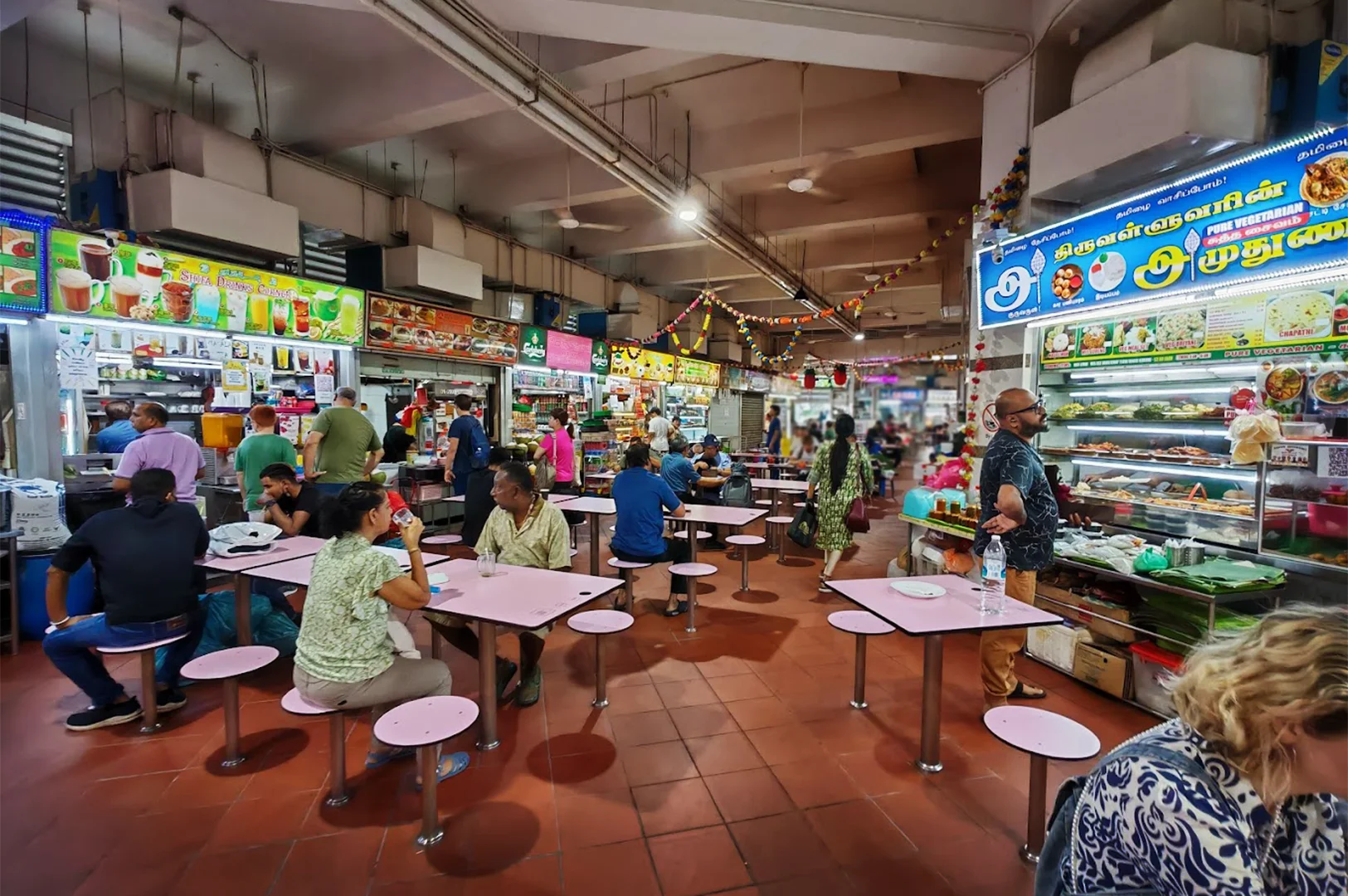
Hawker centres rarely change all at once.
Most changes become visible only through repeated visits. A table that once had a sharp edge is now worn smooth. Paint begins to fade unevenly along frequently used walkways. A section of flooring is replaced while the surrounding tiles remain unchanged. These details often go unnoticed because they arrive gradually.
During documentation visits, it is common to encounter the same spaces months or years apart. The larger structure remains familiar, but the smaller details reveal a history of use.
Wear appears first in predictable places.
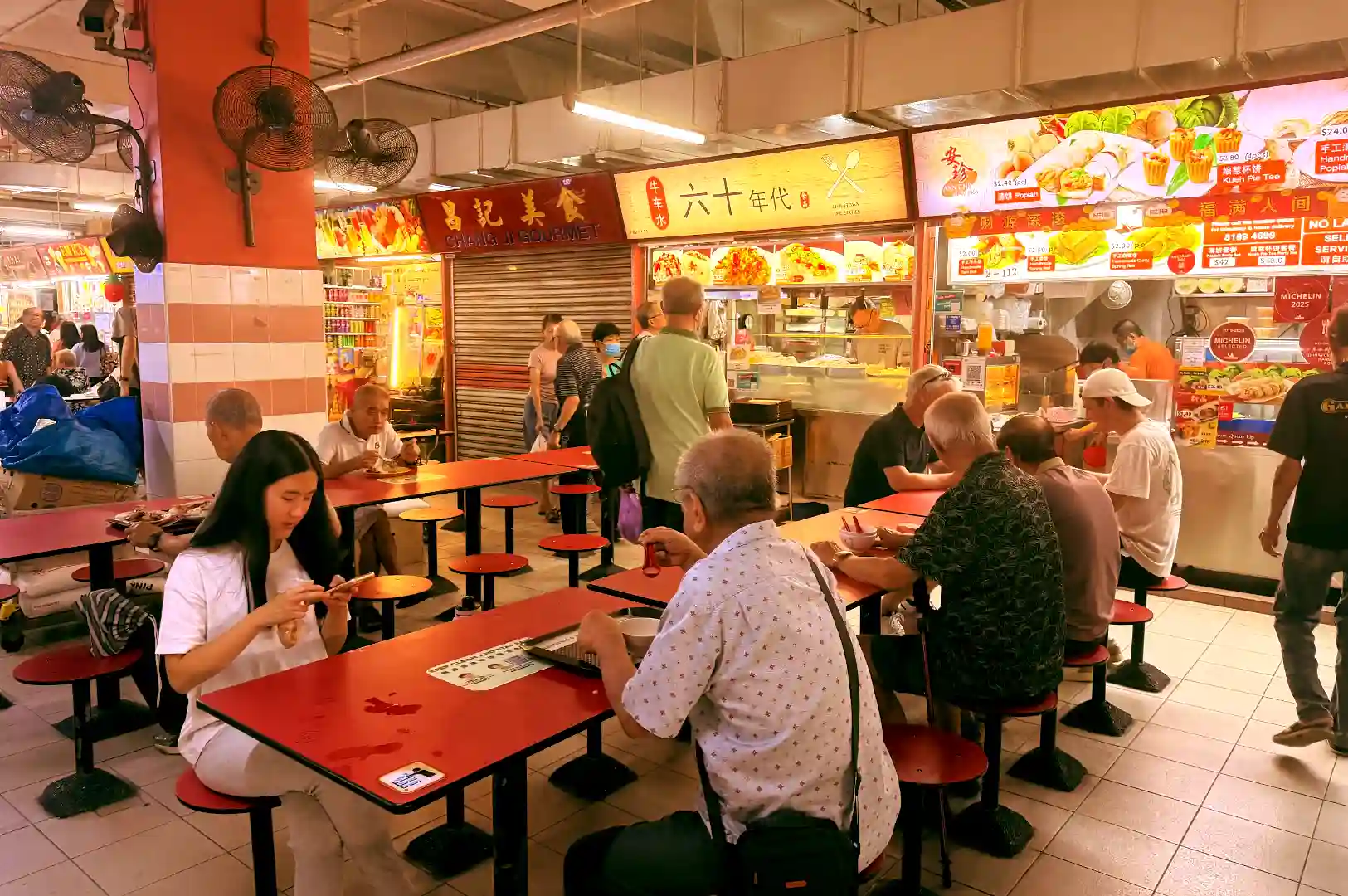
Table surfaces develop scratches from trays and utensils. Railings lose their original finish where hands regularly rest. Plastic chairs become slightly discoloured from exposure to sunlight and daily cleaning. These marks are not signs of neglect. Instead, they provide evidence of continuous occupation.
At the same time, adaptation is always taking place.
A fan is replaced. New signage appears. Lighting is upgraded. Queue barriers are introduced where none existed before. Electrical points are added to support changing operational needs. These adjustments rarely alter the identity of the hawker centre, but they help the space remain functional as patterns of use evolve.
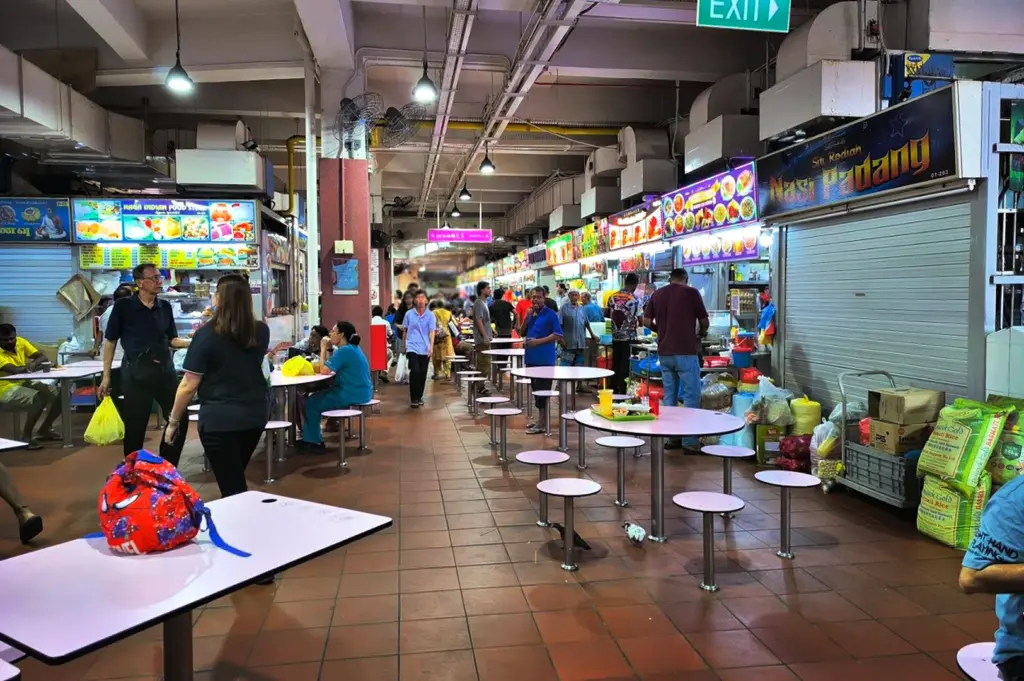
Maintenance forms another layer of the story.
Cleaning crews move through the centre each day. Broken fixtures are repaired. Damaged tables are replaced. Surfaces are repainted. Much of this work happens quietly, often attracting little attention compared to the food being served.
Across the archive at hawkerphotography.com, these small changes become easier to recognise. Photographs taken years apart reveal both transformation and continuity, showing how maintenance and adaptation work together to preserve everyday function.
What remains most striking is not what changes, but what stays consistent.
The same walkways continue guiding movement. The same seating areas gather diners throughout the day. The same stalls anchor familiar routines. While surfaces age and infrastructure evolves, the purpose of the space remains remarkably stable.
A hawker centre ages much like any well-used public place. It carries evidence of use, receives periodic repairs, adapts when necessary, and continues serving the people who return to it every day