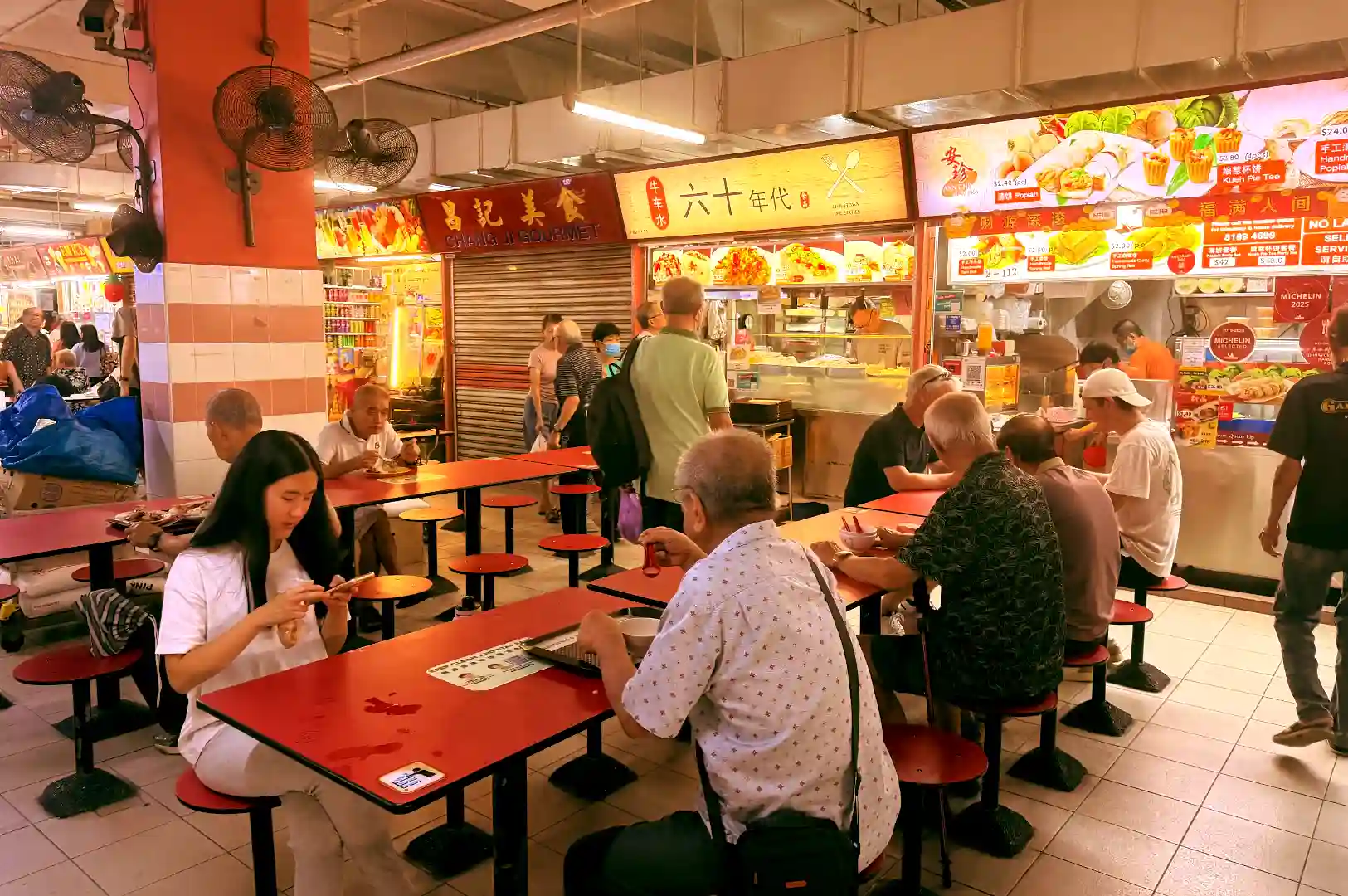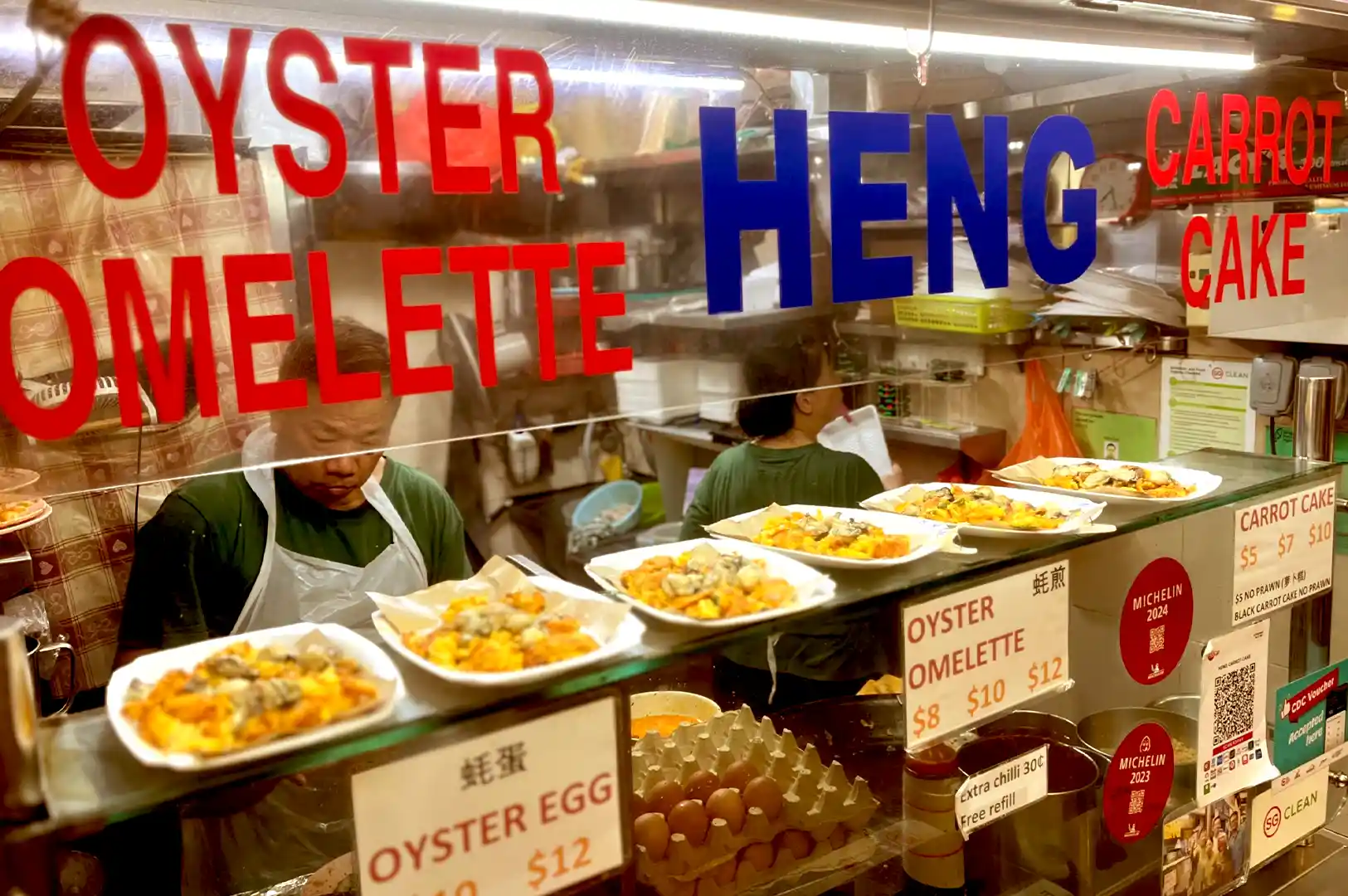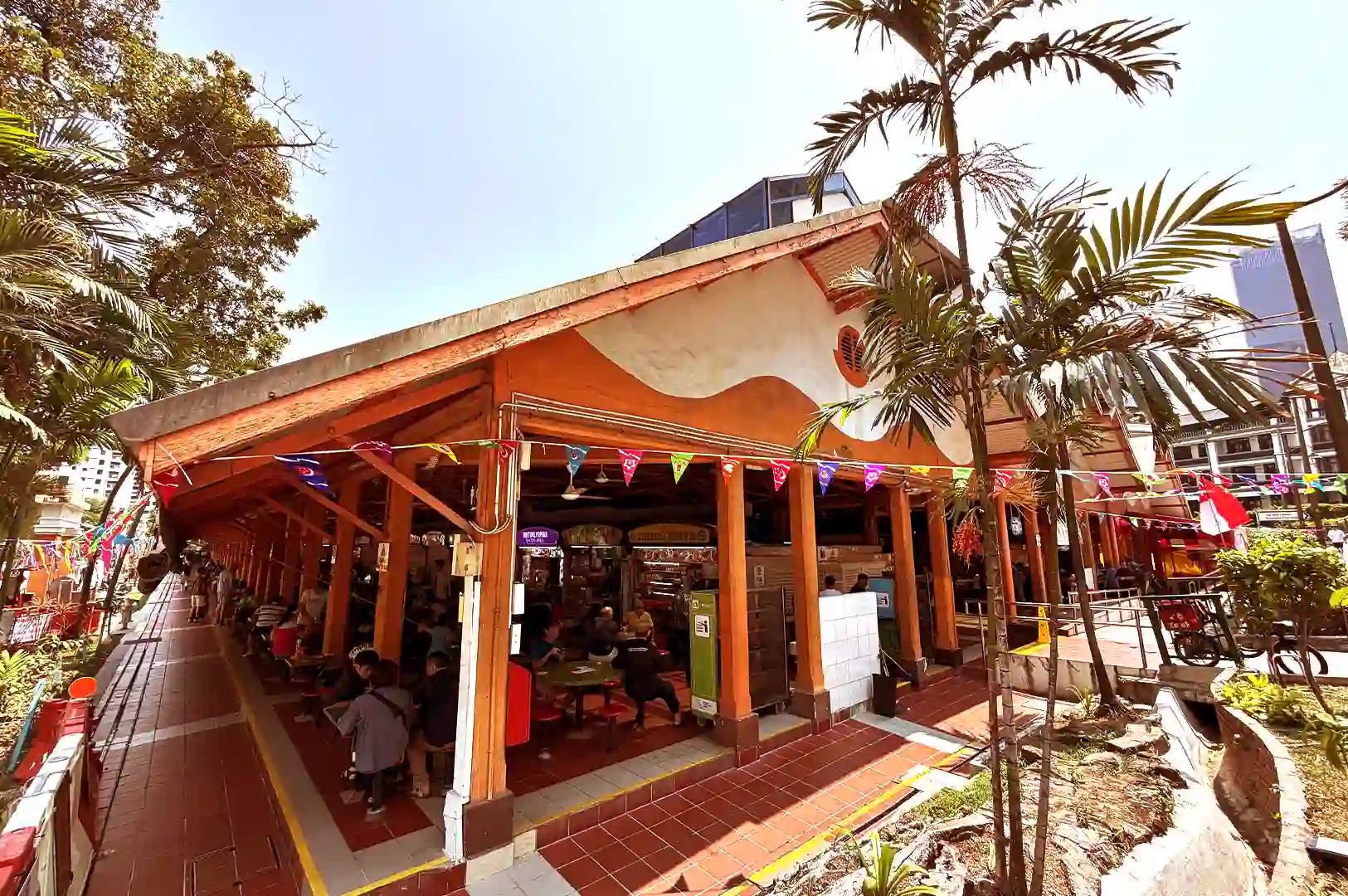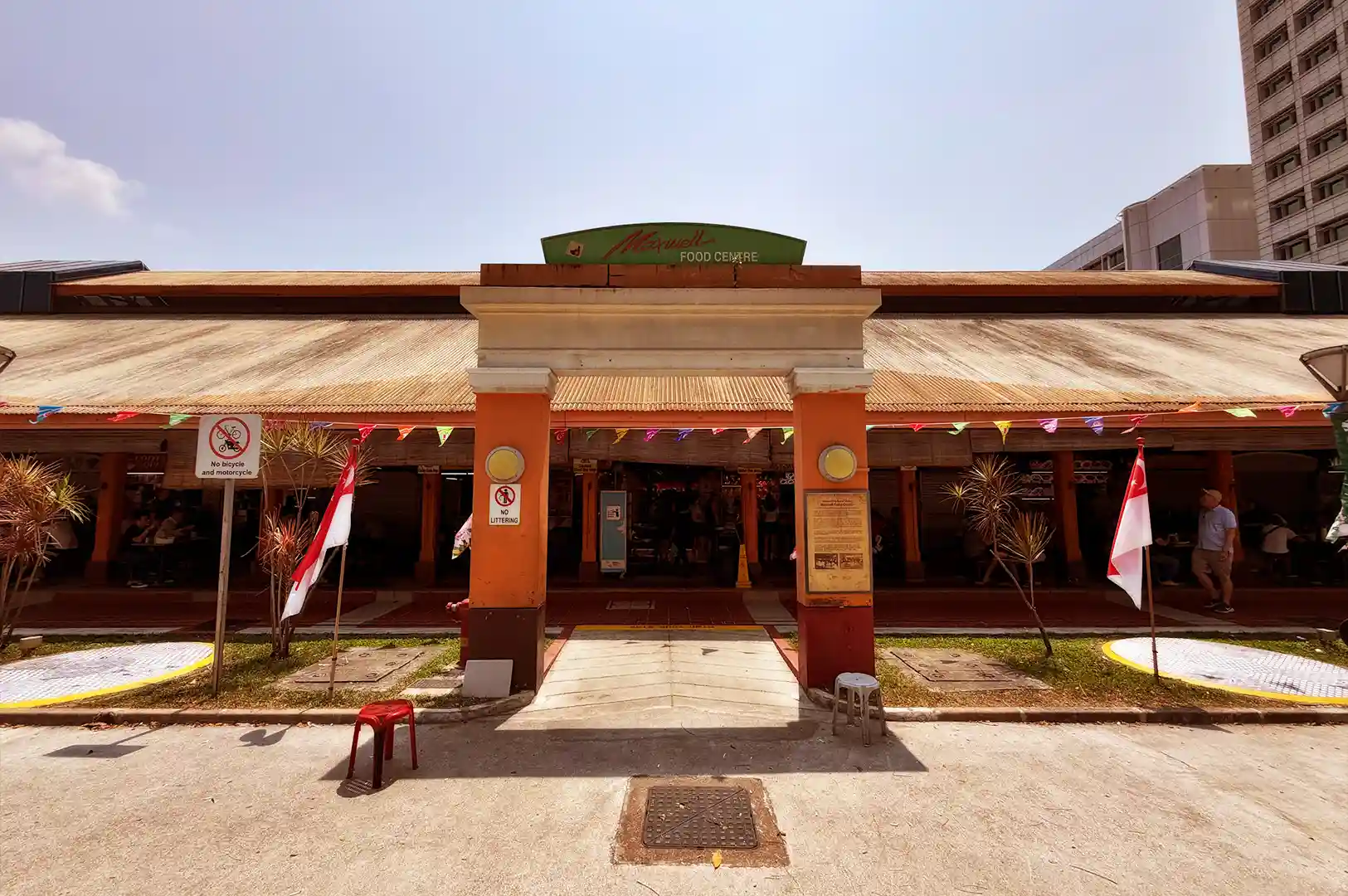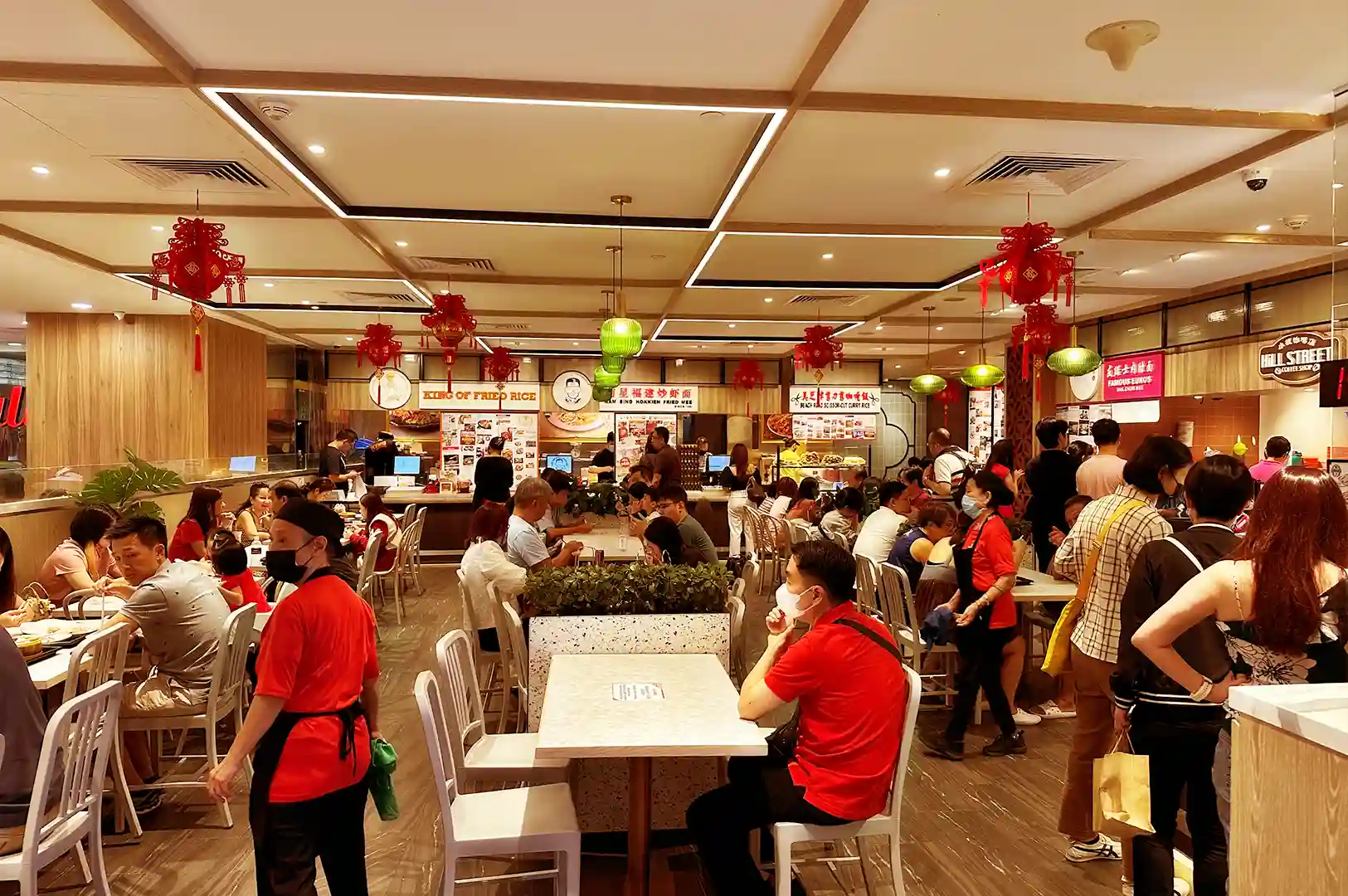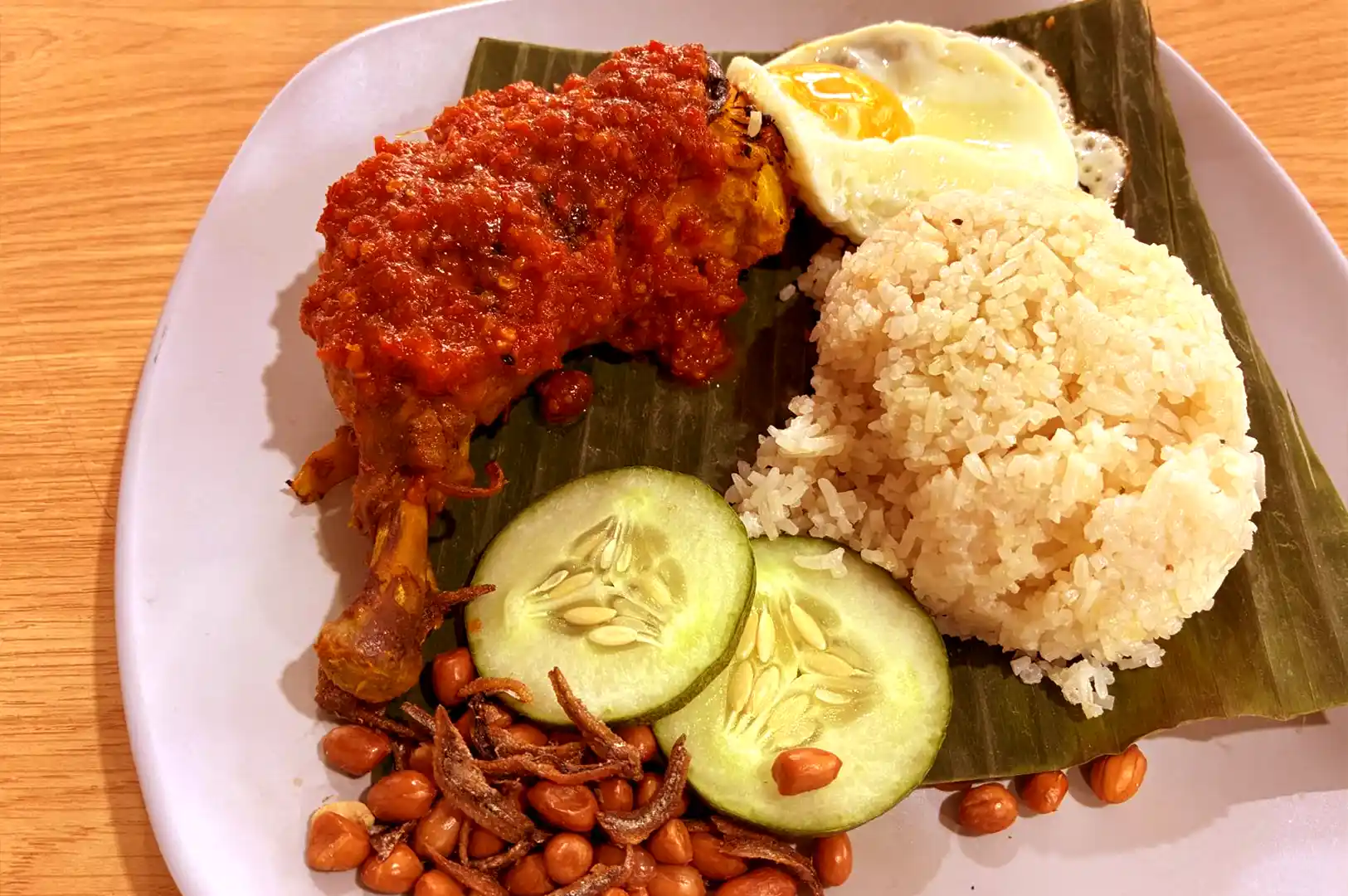

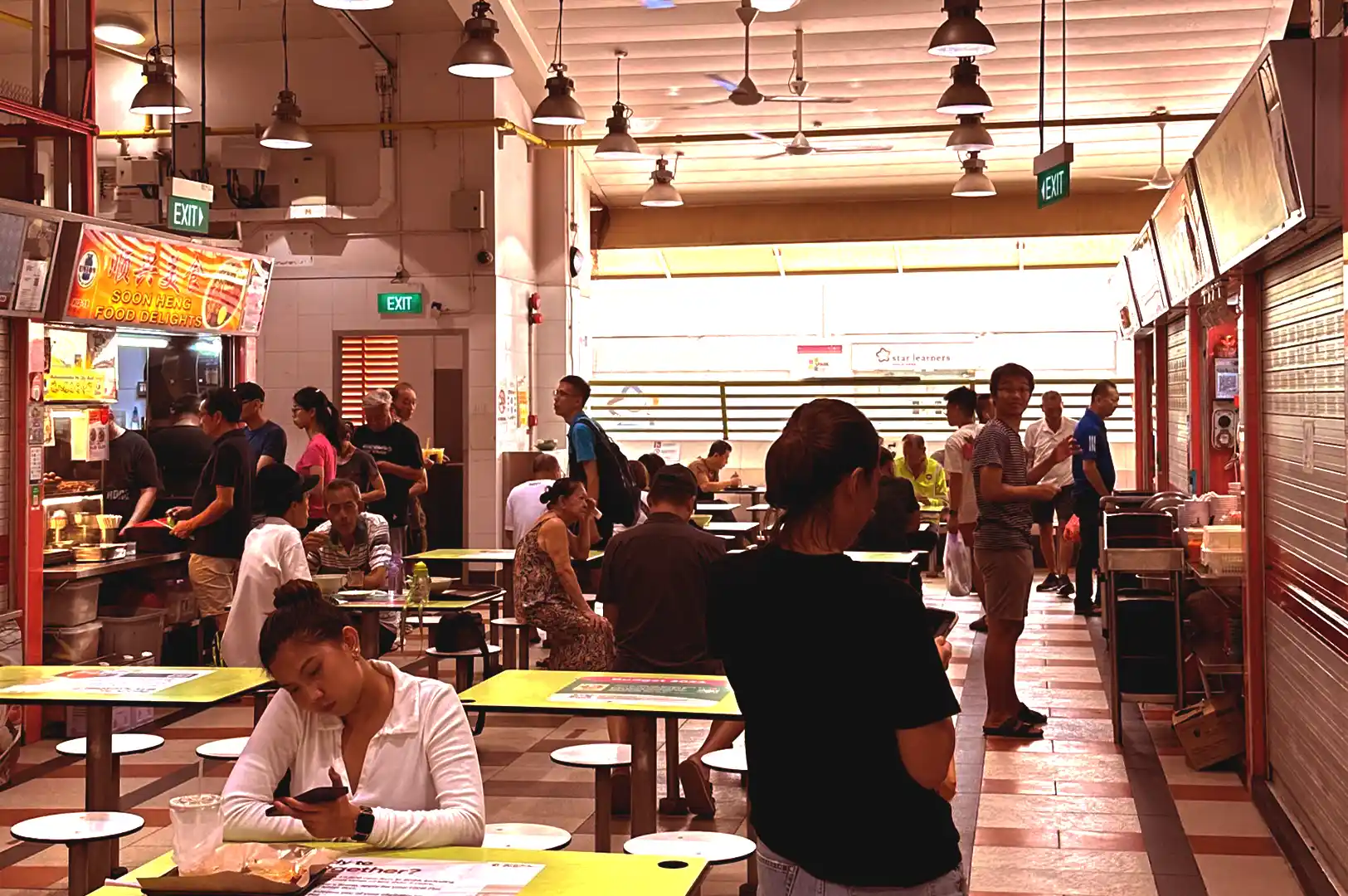
The photographs we remember most are not always the ones with the most activity.
During our visits, we often arrive expecting movement. A crowded lunch period. A long queue. A stall working at full speed. These moments are easy to recognise because they immediately communicate energy.
But over time, we found ourselves returning to quieter scenes.
An empty table after lunch. A stallholder arranging ingredients before the first customer arrives. A tray waiting to be collected. A corner of a hawker centre where nothing appears to be happening.
These moments rarely attract attention.
Yet they often reveal the character of a place more clearly than its busiest hours.
A crowded scene tells us that people came. A quiet scene shows how the space exists between those moments. It captures the rhythm beneath the activity—the preparation, the waiting, the routines that continue whether someone is watching or not.
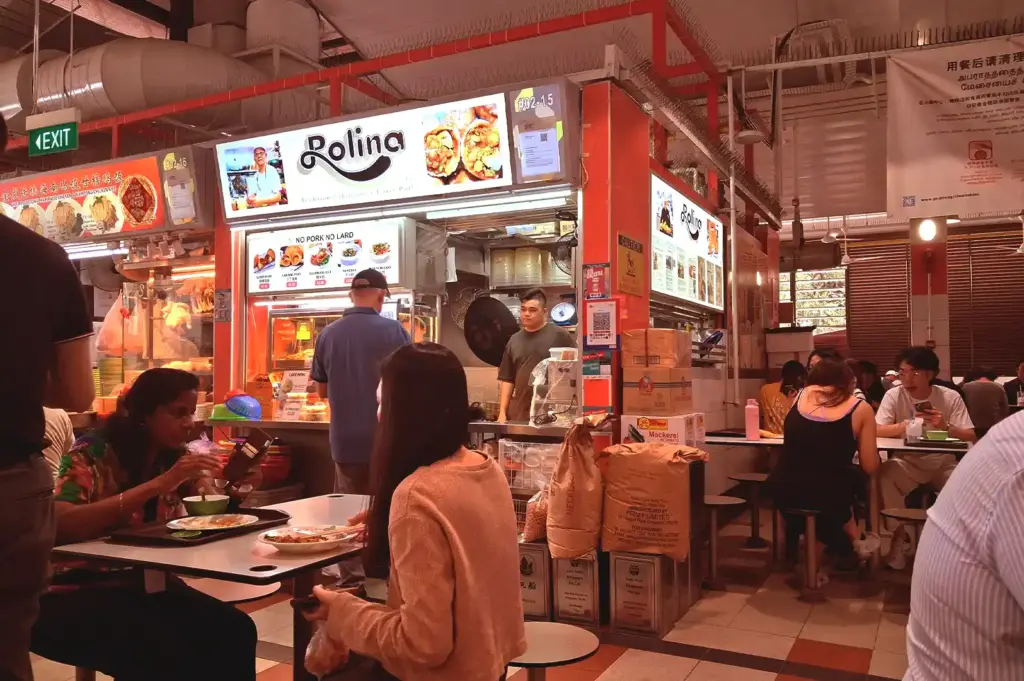
Photography has a way of preserving what memory often overlooks.
Most people remember the famous dishes, the crowded stalls, and the occasions that stand out. Fewer remember the position of the tables, the afternoon light across the floor, or the familiar movements repeated every day by the people who work there.
These details may seem ordinary now.
But archives are often built from ordinary things.
A photograph taken during a quiet afternoon may become more meaningful years later when a space has changed. A familiar arrangement may no longer exist. A stall may have moved. A routine may have disappeared.
This is why we continue documenting moments that do not demand attention.
A similar approach can be seen in another feature from our archive, where we observed a hawker centre before the crowds arrived and focused on the quiet preparation, spaces, and routines that usually remain unseen: the hour before the queue.
The value of a photograph is not always found in what happens inside the frame.
Sometimes, it is found in what the frame allows us to remember.
The ordinary moments are often the ones that stay the longest.