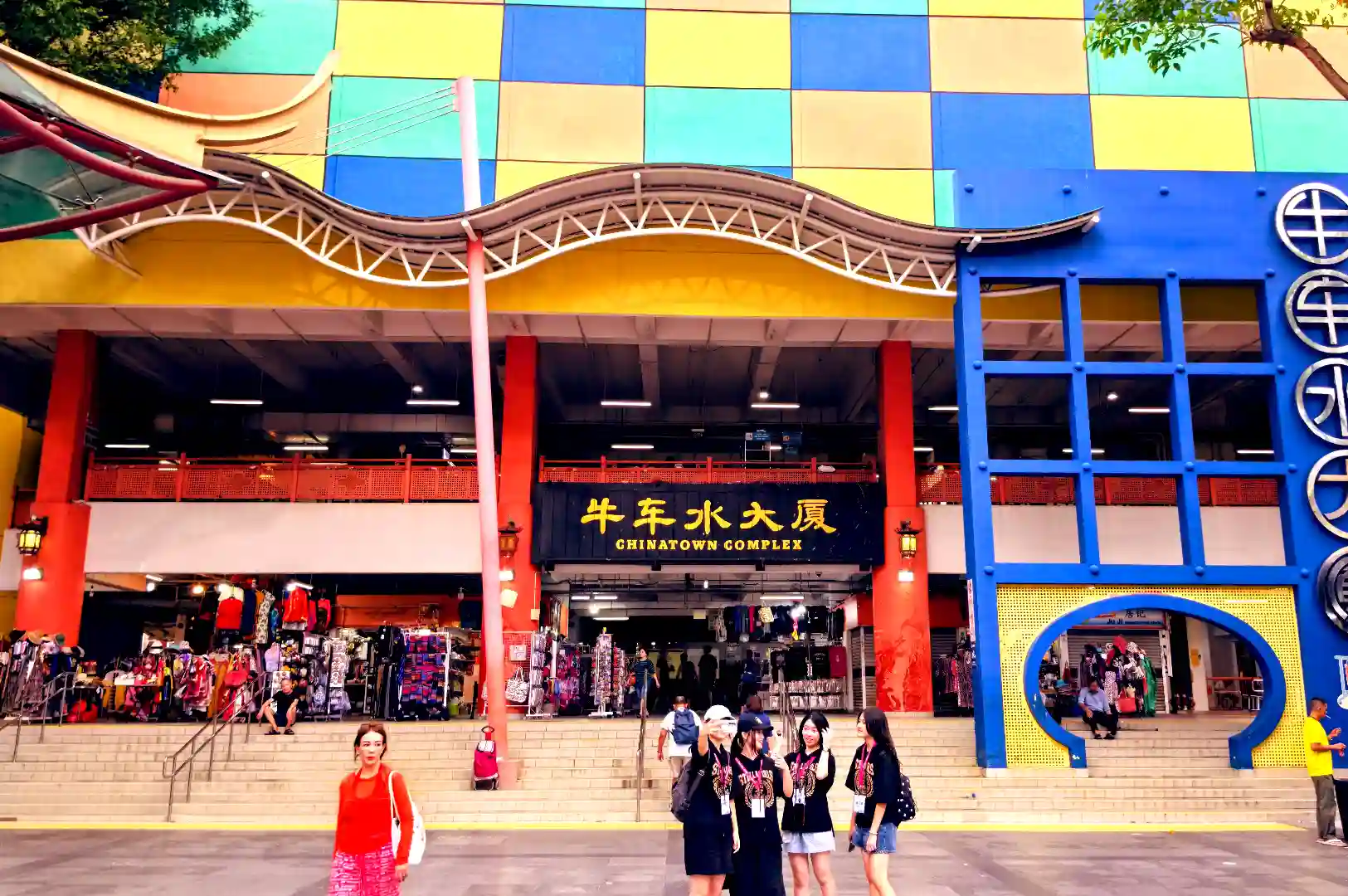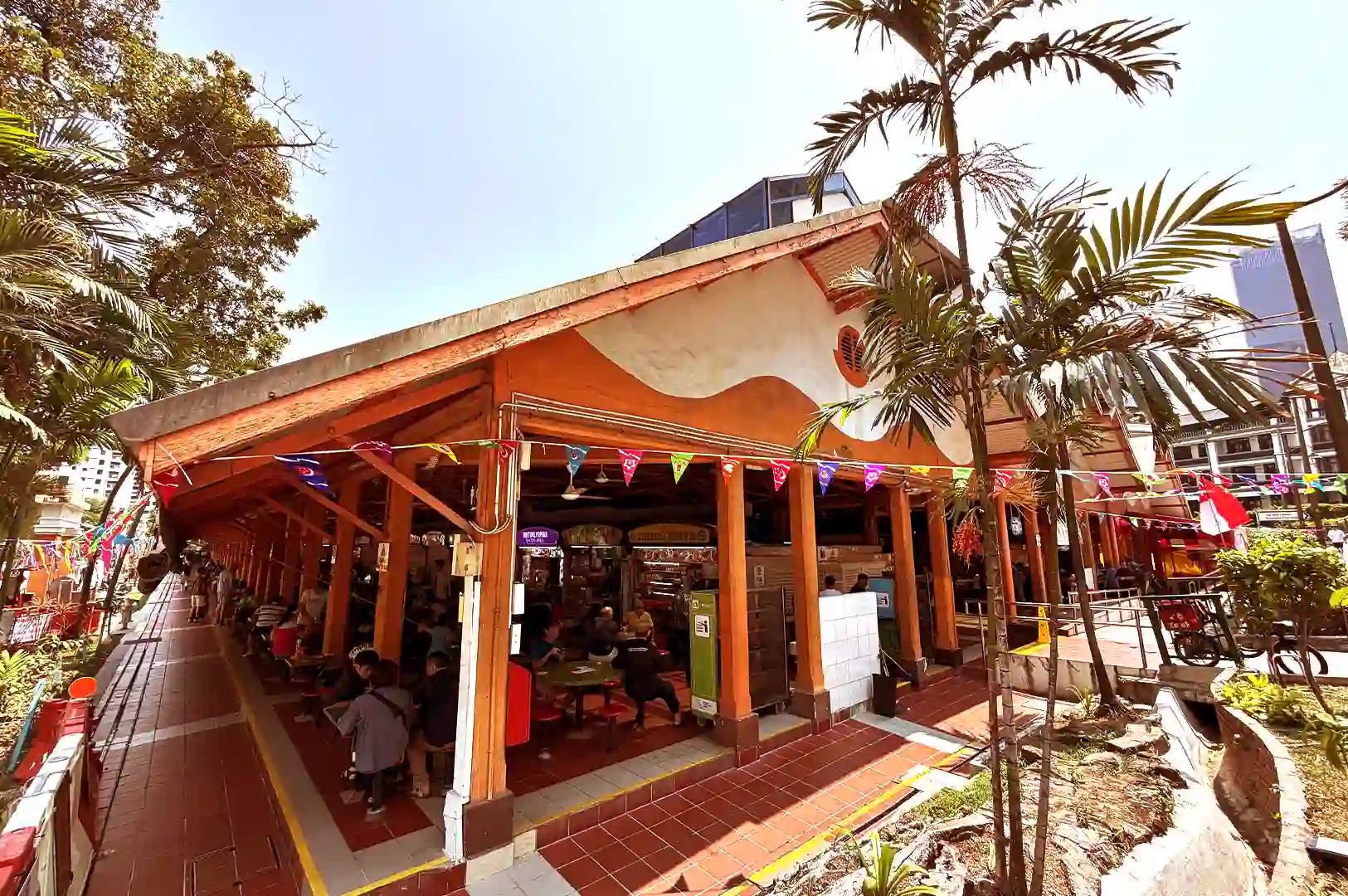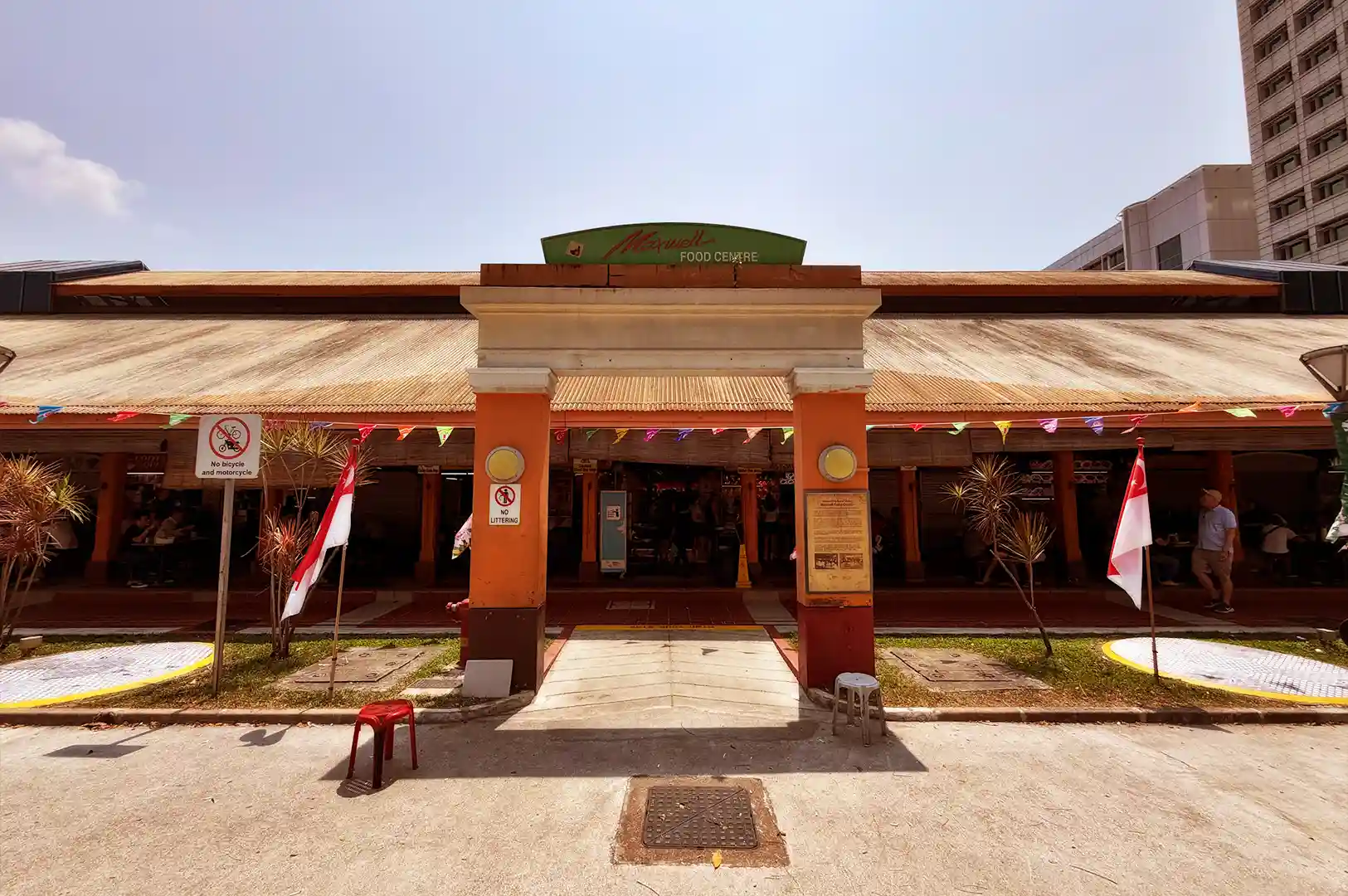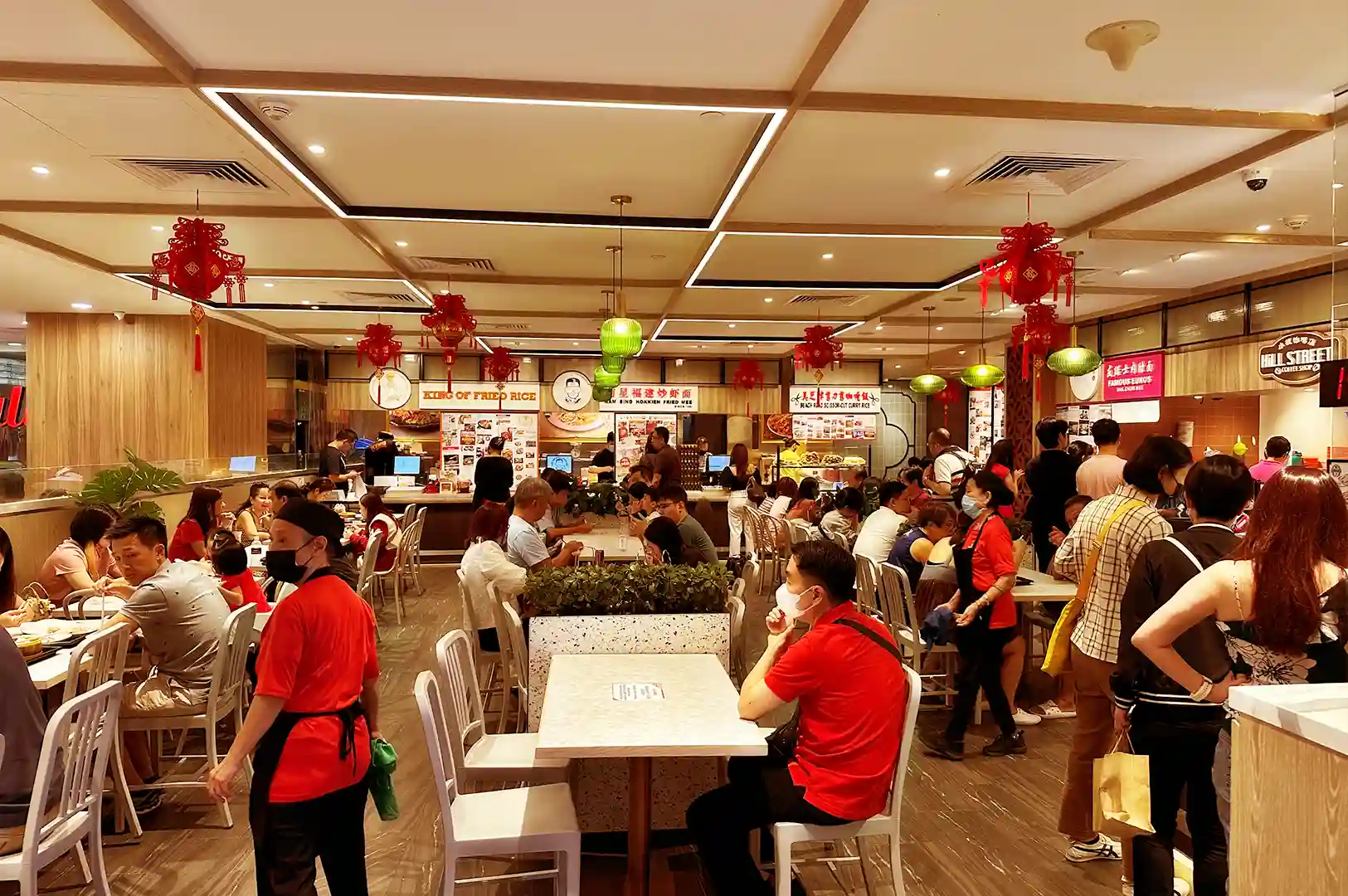

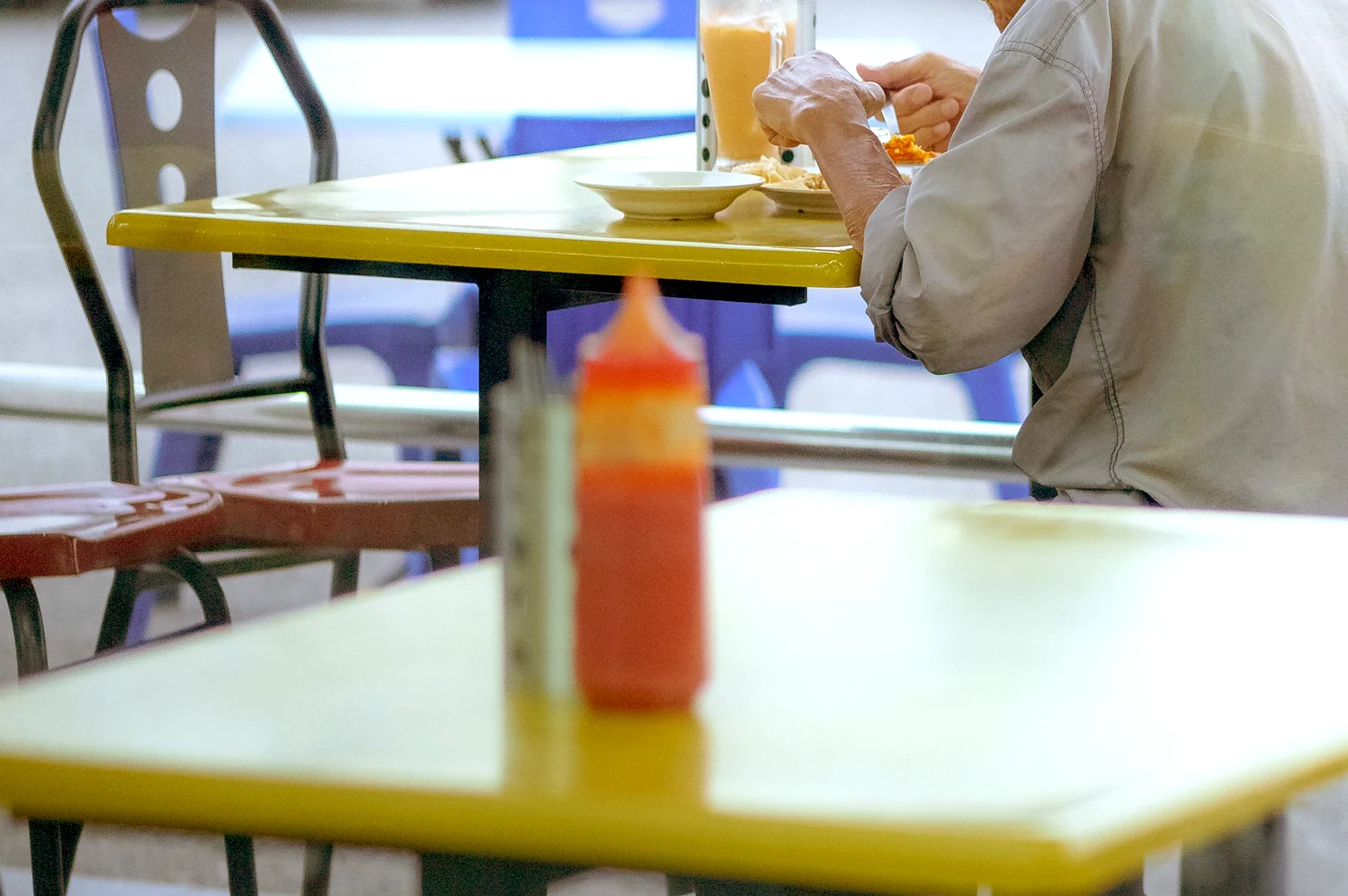
On one visit, I arrived before most of the lunch crowd.
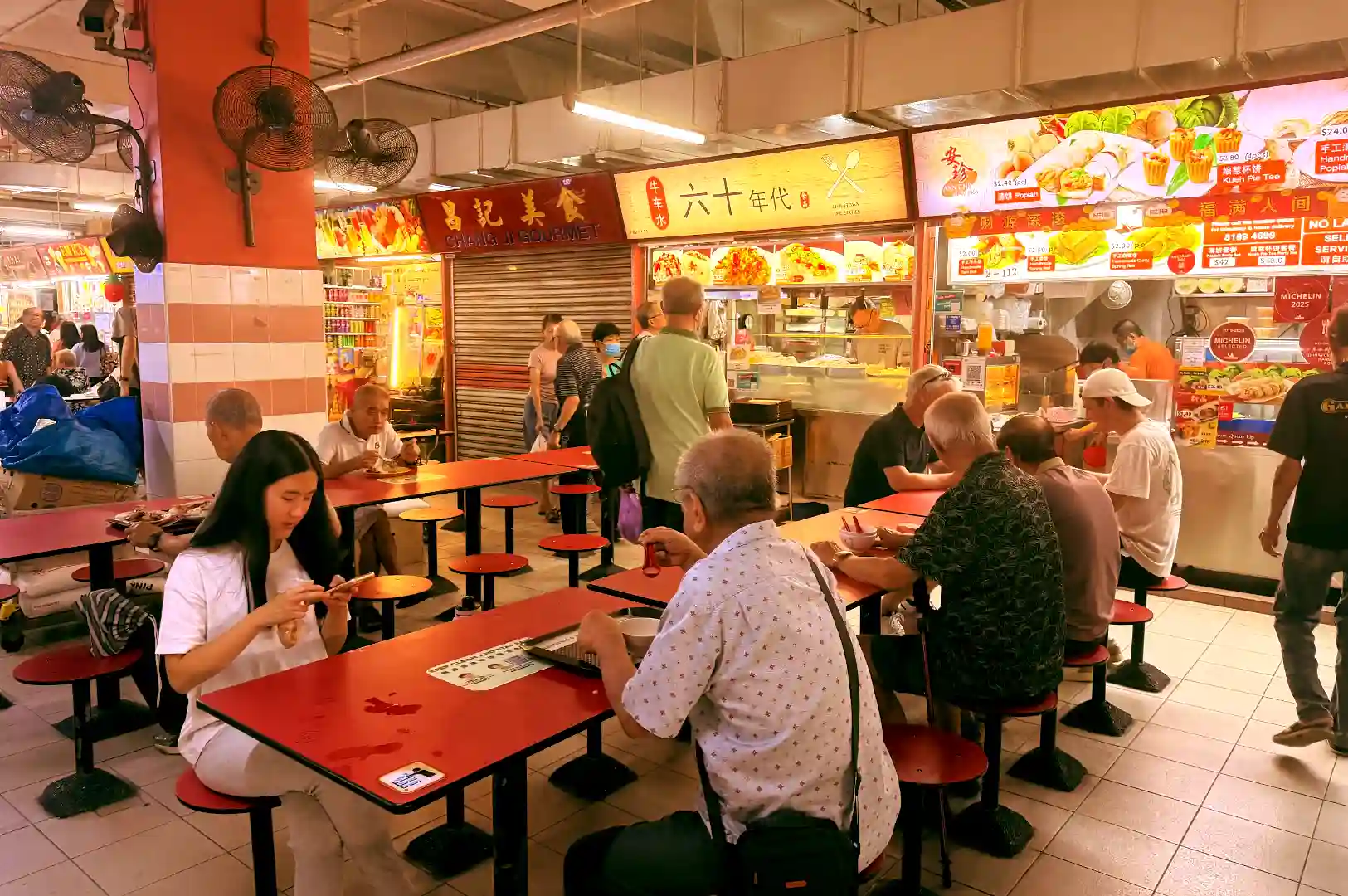
The tables were almost entirely empty. With so many seats available, people could sit anywhere they wanted. That made the first choices more noticeable.
Some diners selected tables close to their preferred stalls. Others moved immediately toward the edges of the hawker centre, away from the busiest walkways. A few chose seats beneath fans even when identical tables sat empty nearby.
The seating arrangement appeared random at first.
After several visits, patterns began to emerge.
Certain tables filled before others regardless of the day. Seats near entrances attracted people waiting for companions. Tables along walls were often chosen by individuals eating alone. Larger groups tended to gather around central seating areas where extra chairs could be added without disrupting circulation.
The seating itself became a record of behaviour.
During peak periods, choice gradually disappeared. Diners occupied whatever space became available. Yet even then, familiar tendencies remained visible. People continued to favour certain areas when given the opportunity. Empty seats were assessed not only for availability, but for proximity, shade, airflow, and visibility.
The movement surrounding the tables revealed just as much.
Some diners remained long after finishing their meals. Others left almost immediately. A table near a popular stall might change occupants several times within an hour, while another remained occupied by a single person throughout the afternoon.
hawkerphotography.com.sg offers a different perspective on hawker centres. Looking beyond the food and stalls, the photographs highlight how people interact with the space itself. A seat can serve many purposes—providing a spot to gather with friends, take a short break, watch the activity around them, or simply enjoy a quiet moment during a busy day.
What makes these patterns interesting is their consistency.
The stalls may change. Signage may be updated. Tables and chairs may be replaced over time. Yet many seating behaviours remain remarkably stable.
A hawker centre can be understood through its food, its architecture, or its routines.
It can also be understood through the simple question of where people choose to sit when they have a choice.
The answer often reveals more than expected.