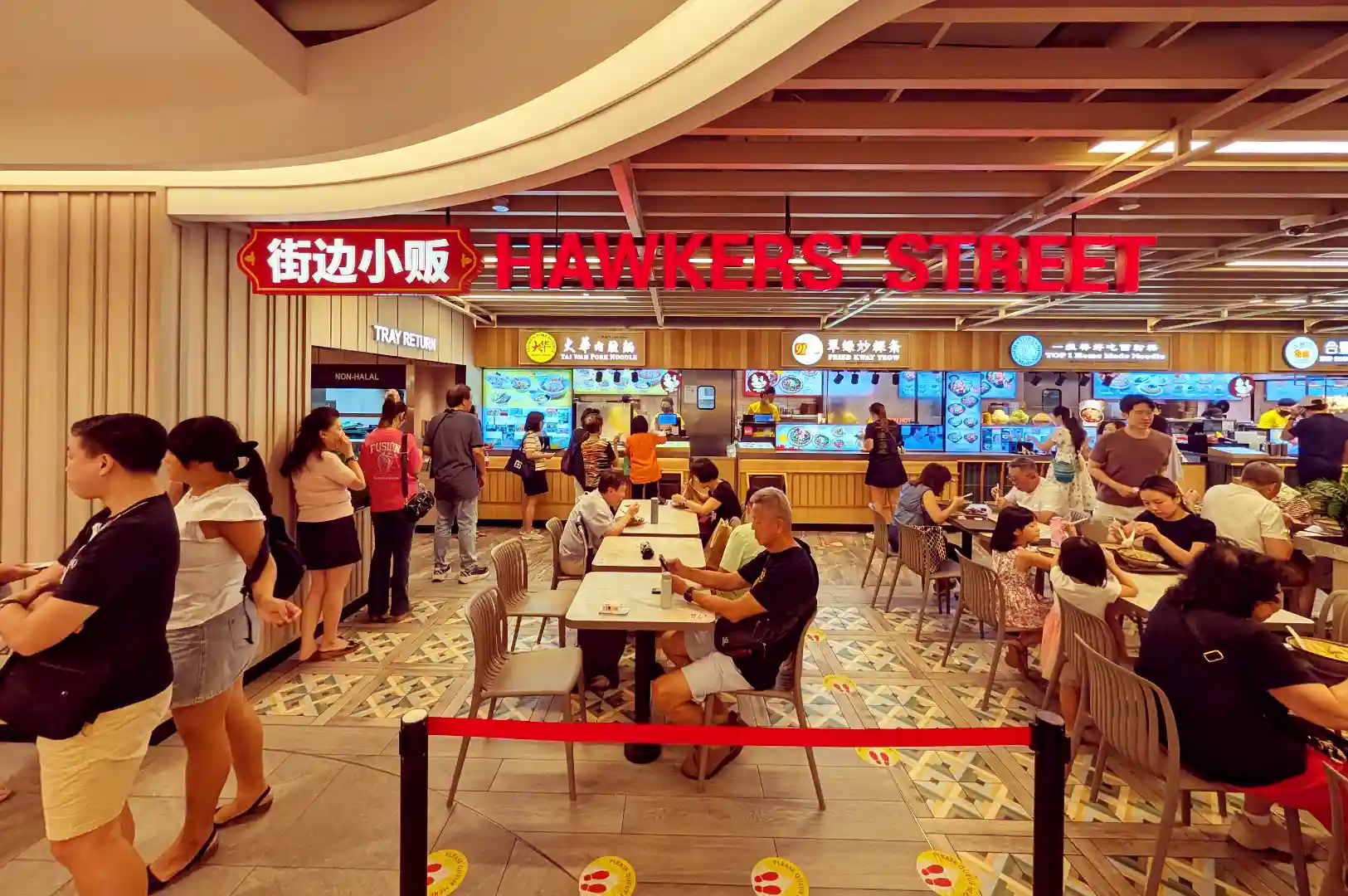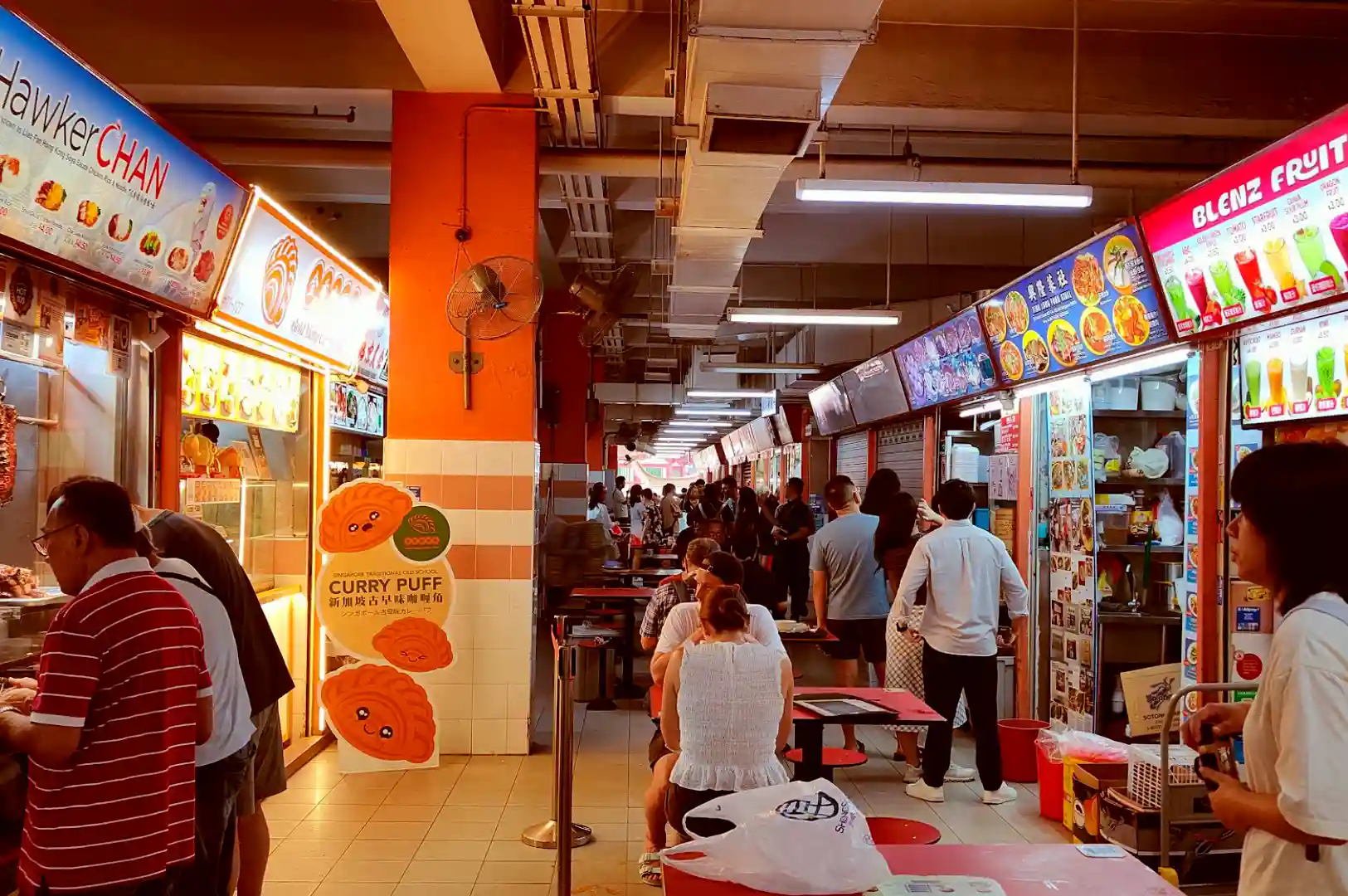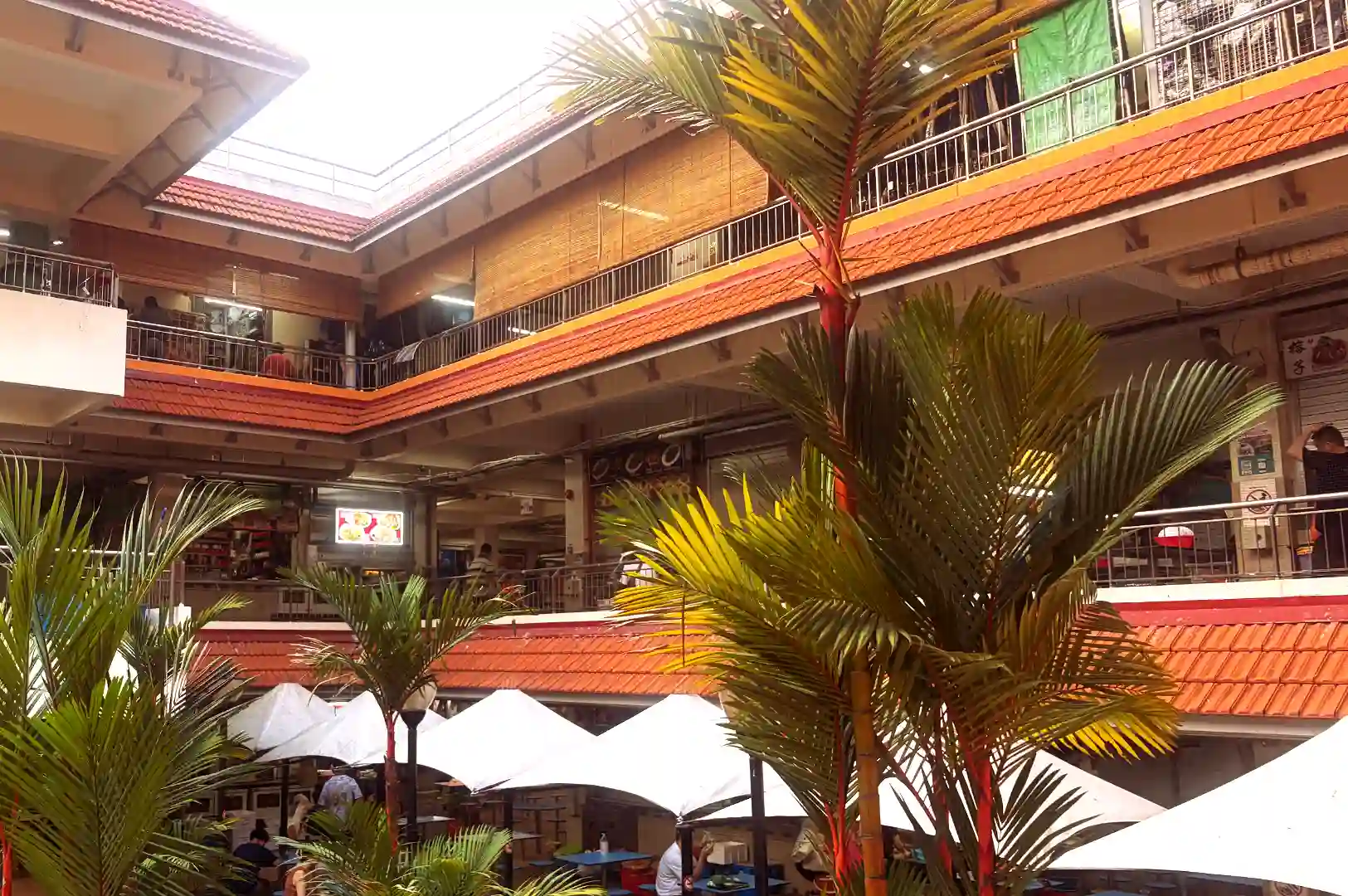

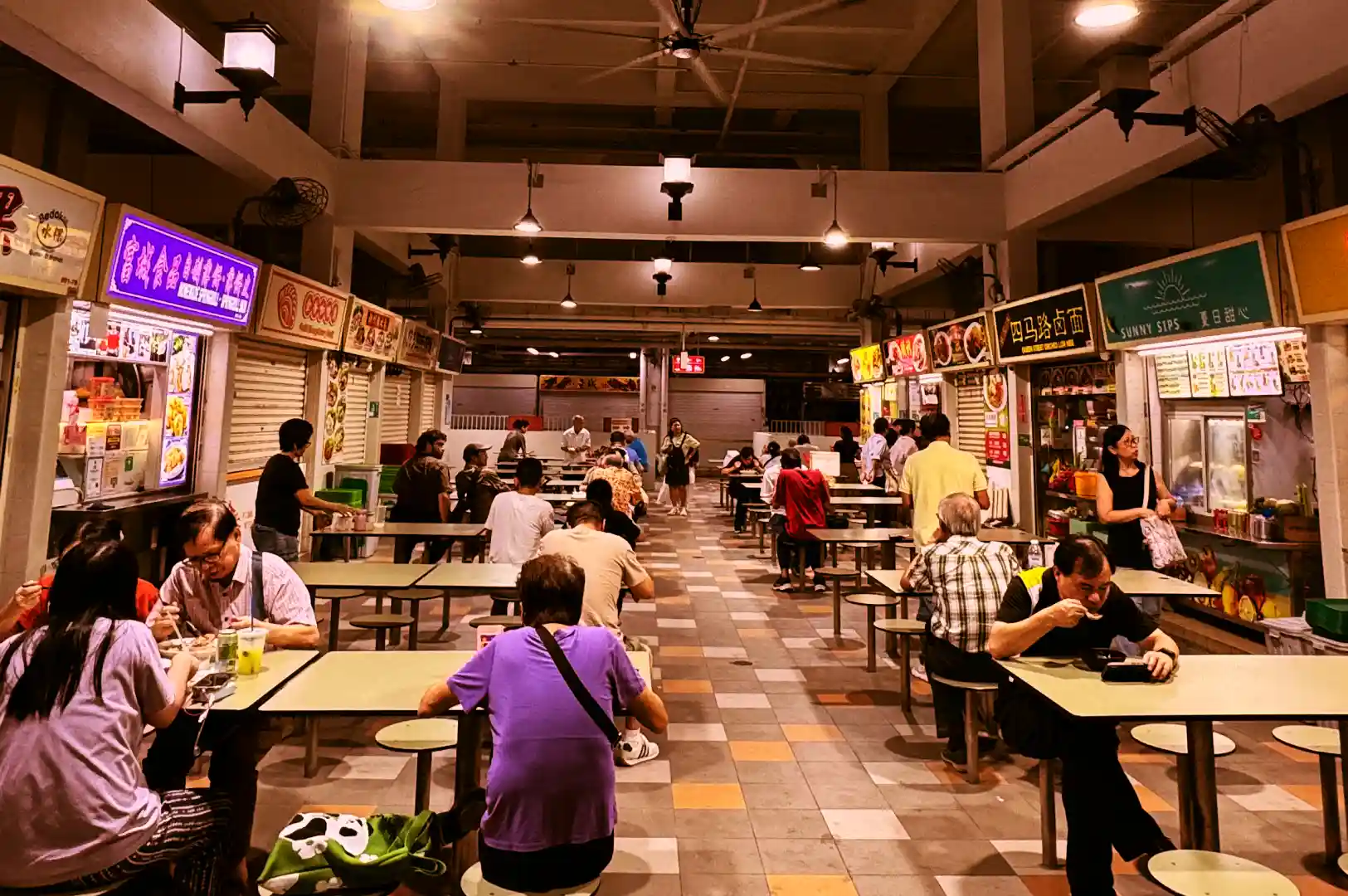
I was sitting at a hawker centre one afternoon when something made me reach for my camera. Across the aisle, an elderly couple sat quietly together, sharing a table while the surrounding conversations continued.
There was nothing particularly unusual about them, but the stillness between their movements caught my attention. One moved a cup closer to the other, and they continued eating without saying much.
I thought about taking a photograph, but something made me hesitate.
My camera remained beside me.
The Moments We Choose Not to Keep
I have spent enough time photographing hawker centres to recognise when an ordinary scene might become a meaningful image. Sometimes it is the light falling across a table, while other times it is a gesture that lasts only a few seconds.
But that afternoon, I wasn’t sure the moment needed to become a photograph.
The couple continued eating, unaware that I had noticed them, and I began to feel that watching was enough. I wasn’t waiting for a better angle or hoping something more interesting would happen.
I simply wanted to let the moment remain theirs.
There is a difference between noticing something beautiful and deciding that it needs to be recorded, although I haven’t always recognised that distinction.
When the Camera Changes the Experience

On other visits, I have found myself thinking about the photograph before the experience itself. I notice a movement, imagine how it might look inside a frame, and begin adjusting my position.
Sometimes, the moment disappears while I am preparing to capture it.
Other times, I get the photograph but remember very little about how I felt while standing there, and that absence has gradually become harder to ignore.
I still believe photography has value, especially when ordinary places carry memories that deserve attention.
That feeling is reflected in the quiet histories surrounding Maxwell’s familiar tables, where everyday spaces can hold meaning through the people who repeatedly gather around them.
But I am beginning to understand that not every meaningful experience needs to become part of an archive.
Some Memories Belong Only to Us
I watched the couple finish their meal, and the afternoon continued without anything remarkable happening. They gathered their belongings, stood up, and walked away while another group approached the table.
I could have photographed the empty chairs afterward, but I no longer felt the need to.
Instead, I stayed where I was and allowed the scene to become something I would remember without an image.
Perhaps I will forget the details eventually, and I am learning to accept that possibility.
Not every memory needs to remain perfectly preserved.
Leaving the Camera Untouched
When I finally left, I had taken fewer photographs than I expected. There were still familiar scenes worth documenting, but I hadn’t felt compelled to capture every one of them.
I remembered the couple, their quiet meal, and the small gesture that had first caught my attention.
The moment had passed without becoming a photograph, yet it stayed with me throughout the journey home.
I still carry my camera whenever I return to these places, and I know there will be moments I want to preserve.
But I no longer believe that noticing something gives me a reason to photograph it.
Sometimes, the most meaningful thing I can do is simply remain present.
And sometimes, leaving the camera untouched is how I choose to remember.