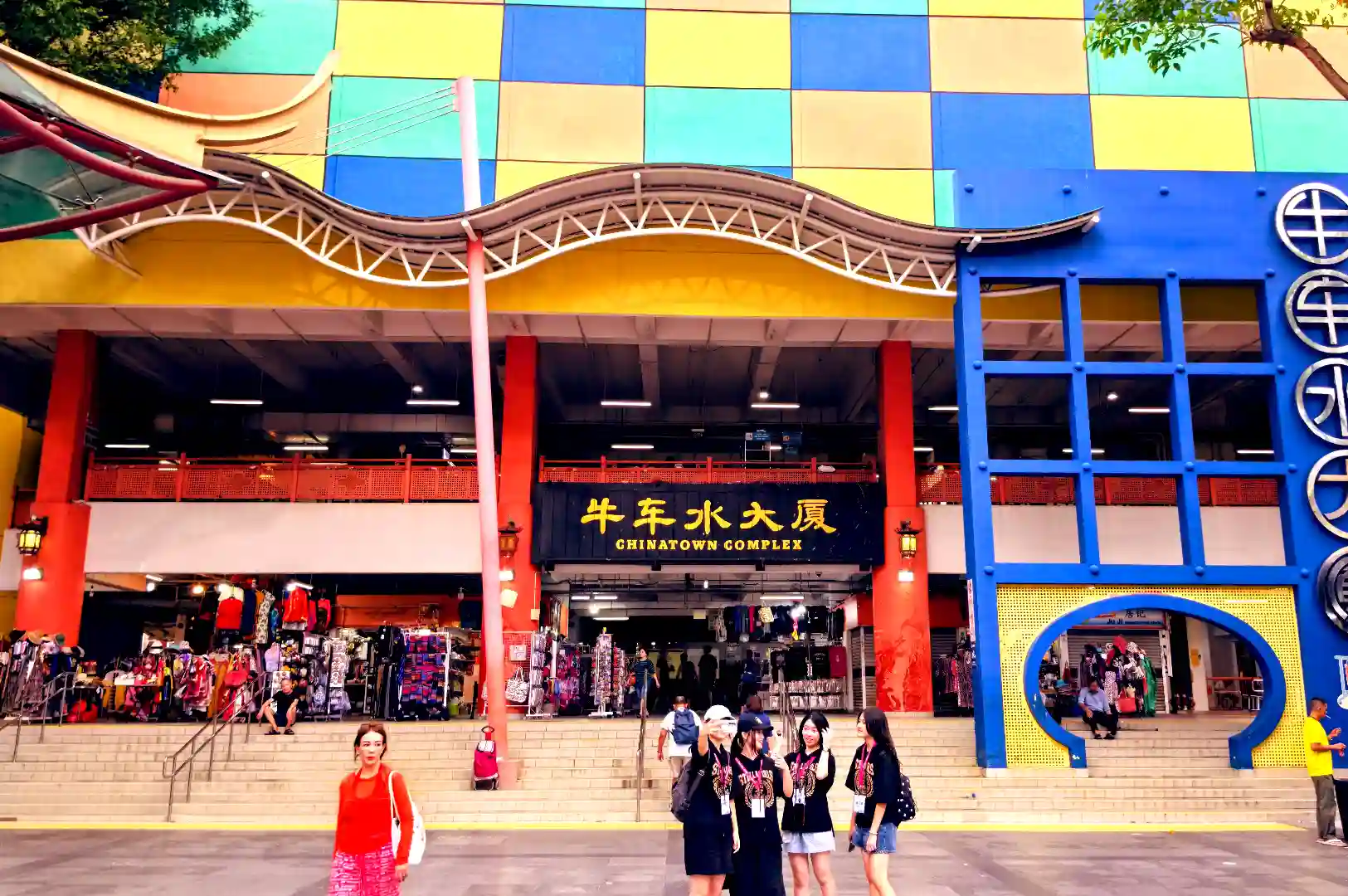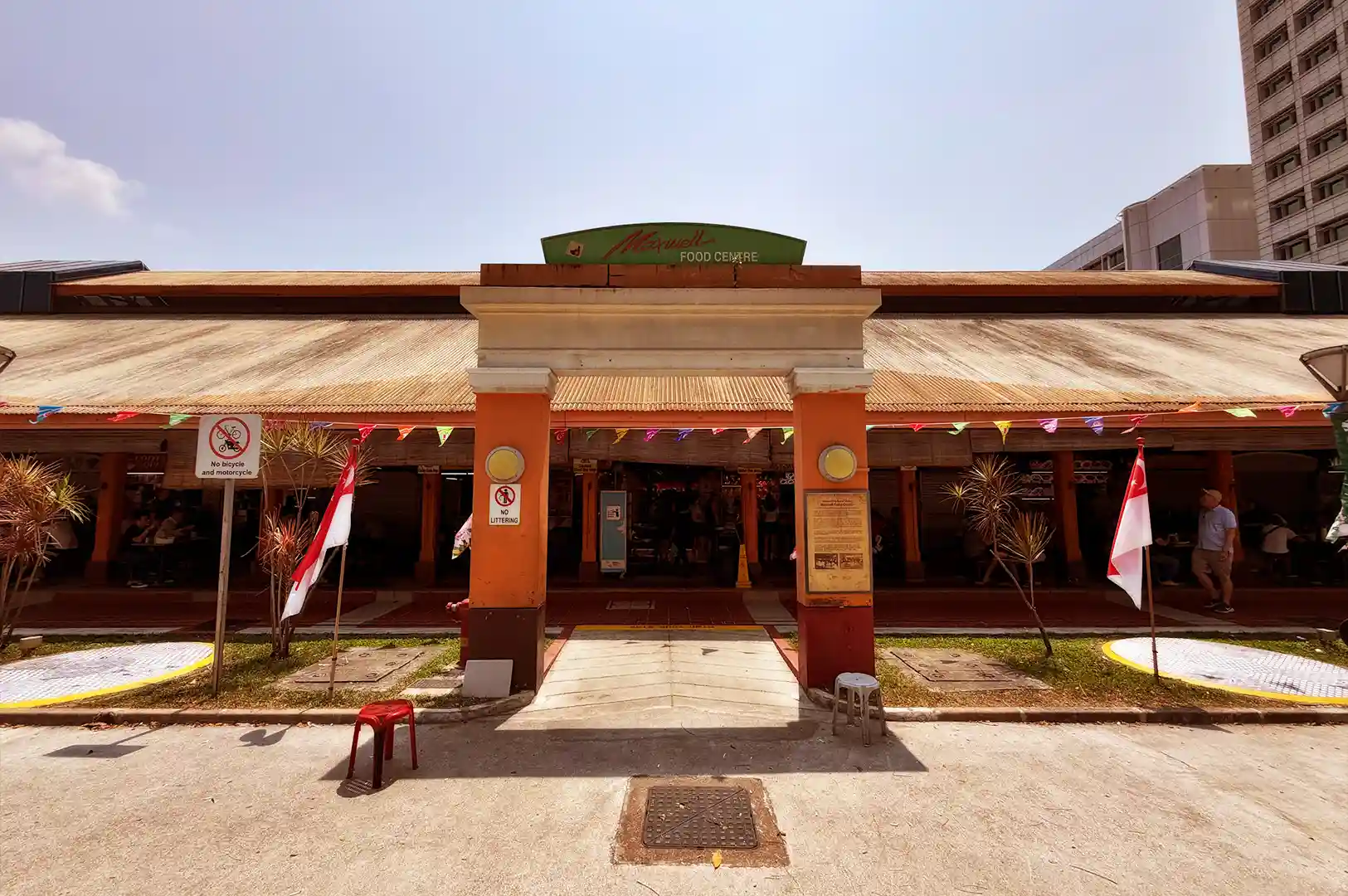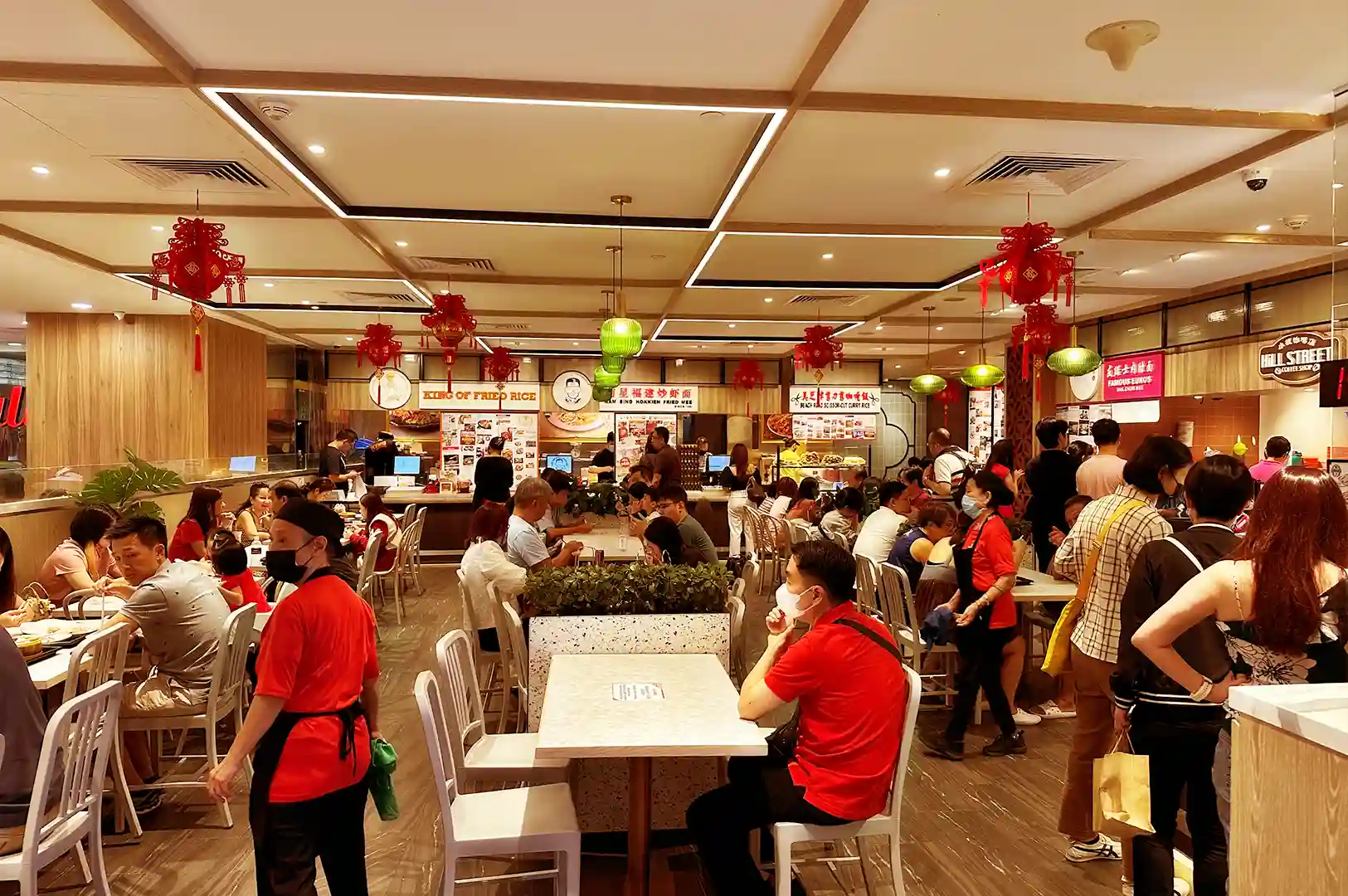

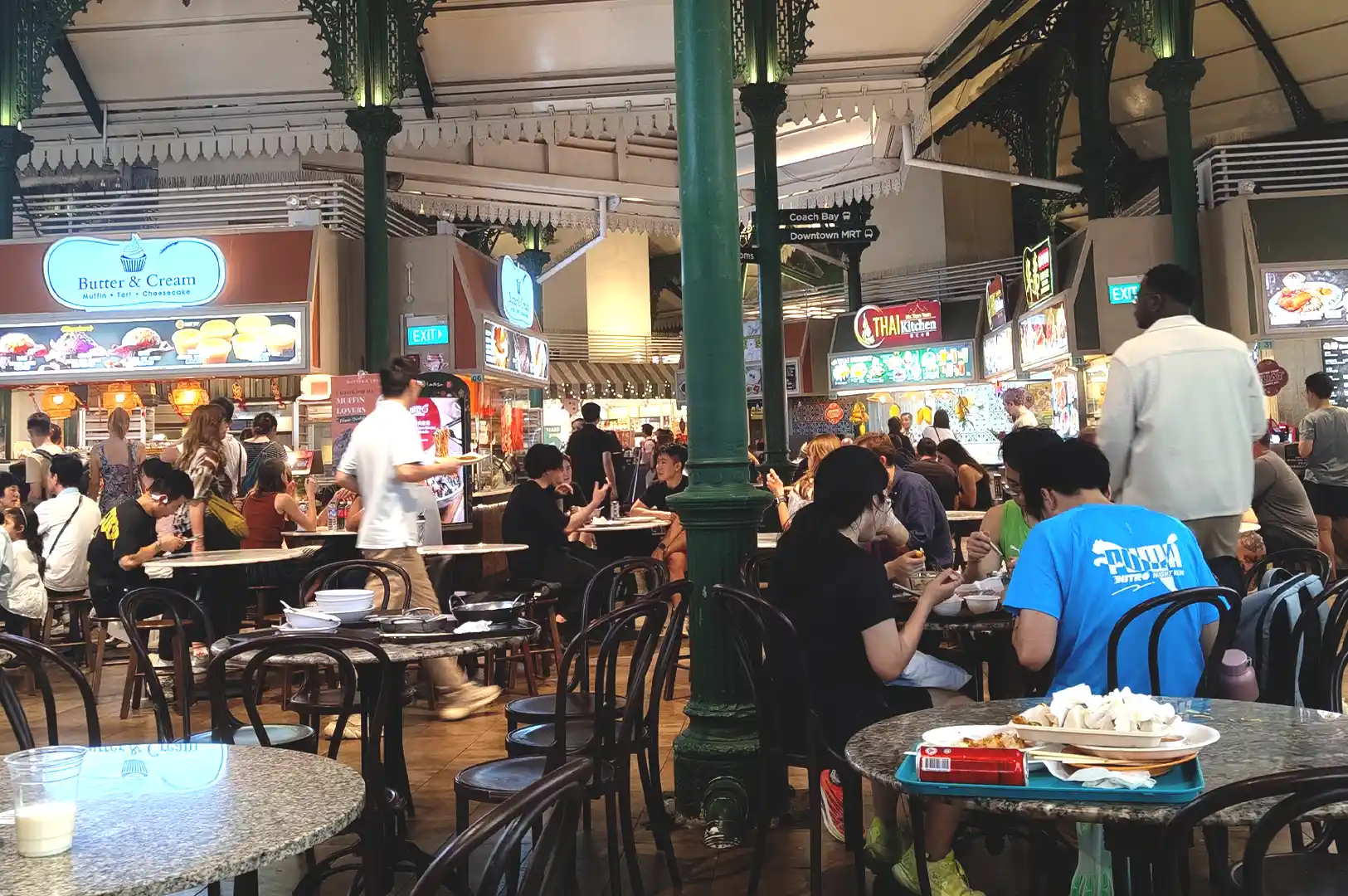
The chair is still warm.
Whoever sat there has already disappeared into the crowd, carrying nothing except what they arrived with. The tray is gone. The footsteps have blended into the movement between stalls. Only the table remembers they were here.
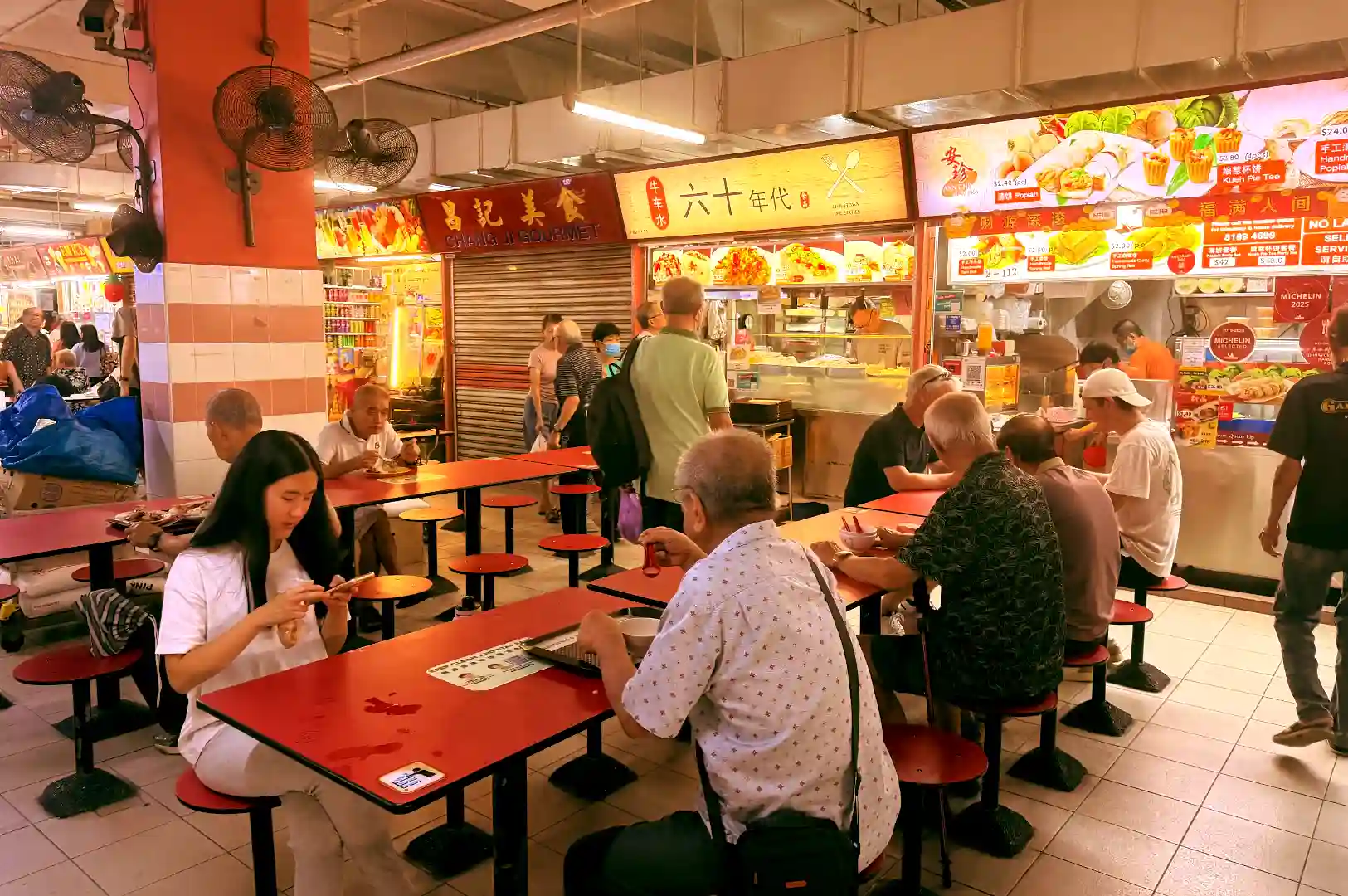
A ring of condensation remains beneath a cup that has already been cleared. A folded tissue sits unnoticed beside a bottle of chilli sauce. One grain of rice catches the afternoon light before someone brushes it away.
For a few moments, the space belongs to no one.
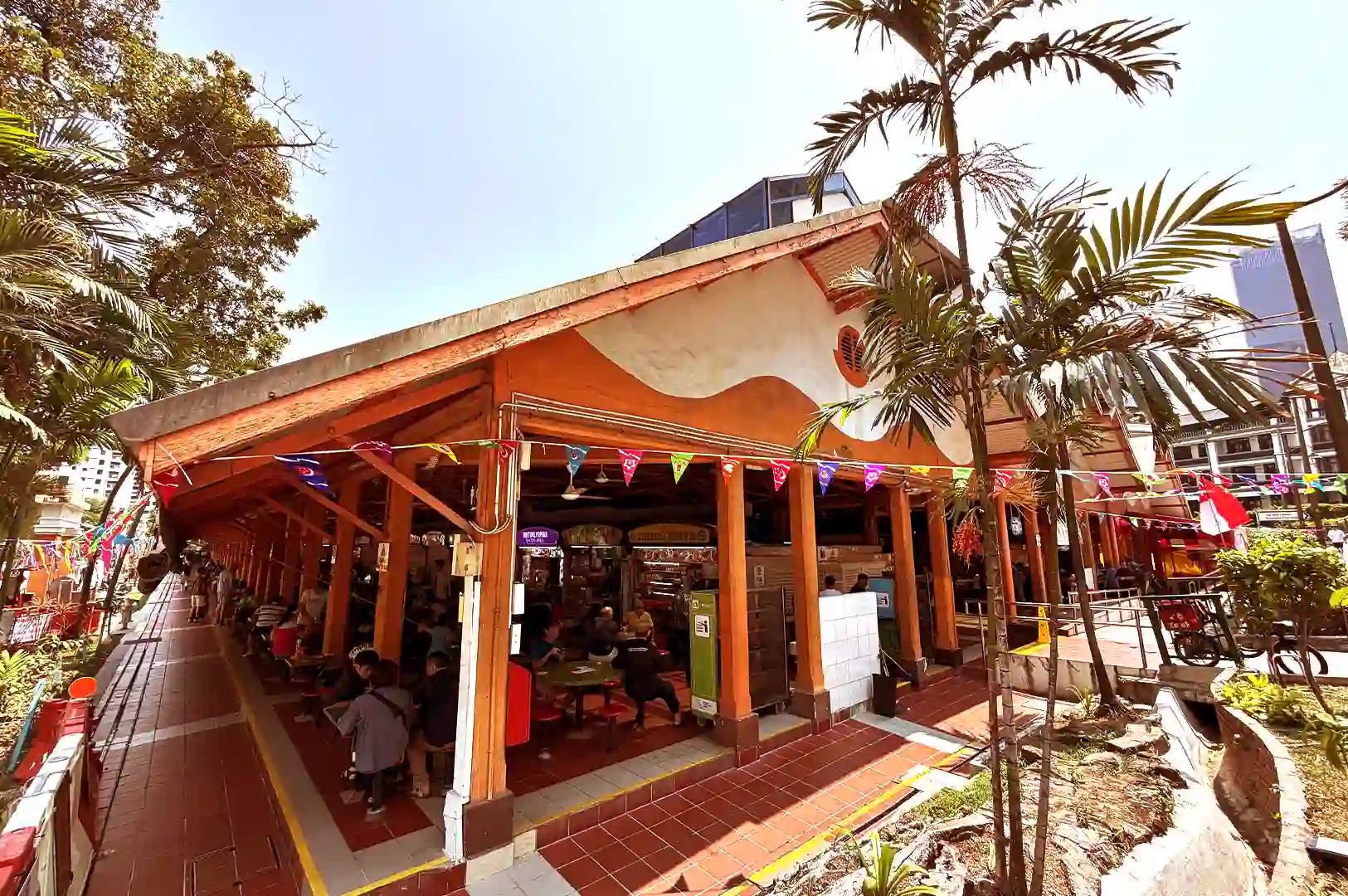
The hawker centre does not pause because someone has left. Orders continue to be called. Trays pass from hand to hand. Conversations rise and fall without reaching this empty table. Yet the silence feels different here, as though it has arrived slightly later than everywhere else.
I find myself looking at these moments more often than the meals themselves.
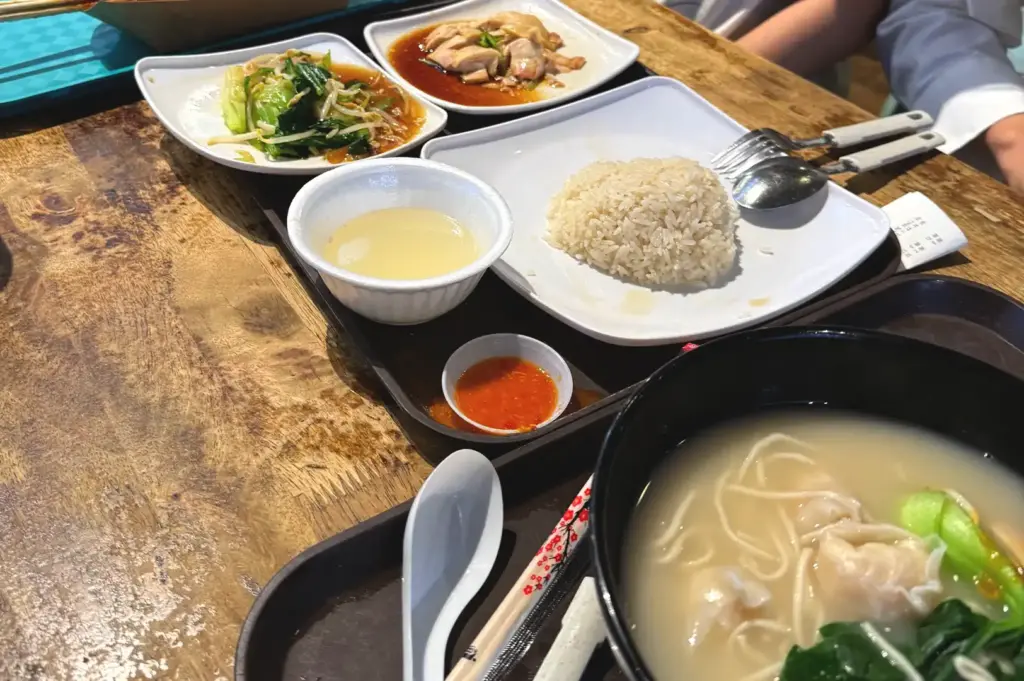
There is something gentle about the space between one person leaving and another arriving. It is neither occupied nor abandoned. It simply exists, carrying small traces that will soon disappear beneath the next routine.
Perhaps that is why these moments are so easy to miss.
They are never announced. No one waits for them. They last only as long as it takes for another diner to notice the empty chair.
If you find yourself drawn to these quieter transitions, you may also enjoy The Long Pause Near Evening: Satay, where the attention shifts from an empty table to the unhurried moments that settle over a hawker centre before night fully arrives. It lingers in the same quiet rhythm, observing what happens when time seems to soften instead of hurry.
Then someone arrives.
A bag is placed on the chair. A tray settles onto the table. Chopsticks are separated from their paper sleeve. The seat begins another story without acknowledging the one that came before.
Nothing has really changed.
And yet, for a brief moment between two strangers, the table held a silence that belonged entirely to itself.