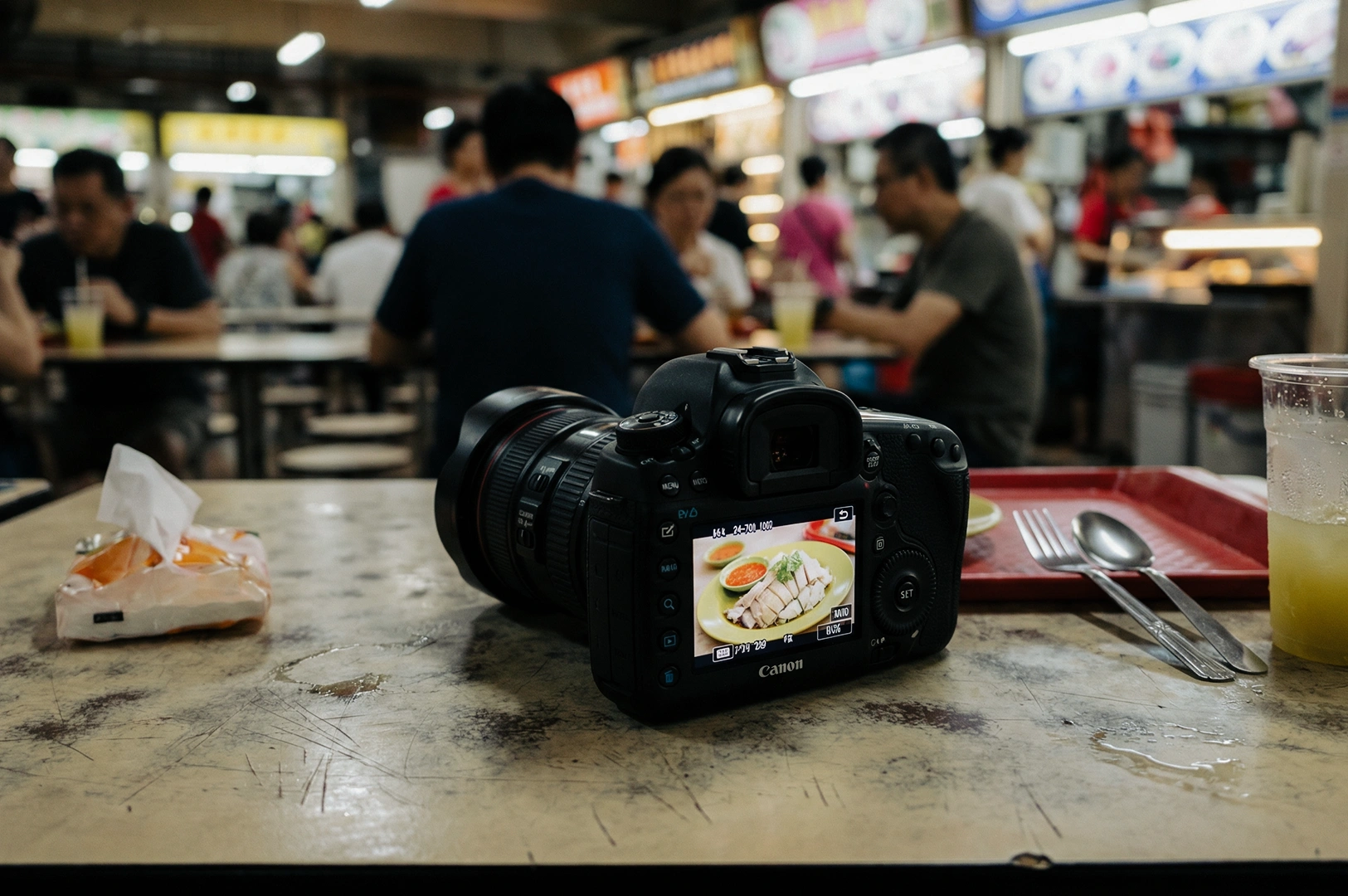
I don’t start by taking photos.
I start by watching.
Every stall has a rhythm, but it doesn’t show itself immediately. You can’t walk in, lift your camera, and expect to understand it. The first few minutes are always about observation—where the hands move, where the plates land, how long each step takes. There’s a pattern, but it’s not fixed. It adjusts depending on the queue, the pace, the person.
Most people try to shoot during the action.
It makes sense on the surface—flames, motion, food in mid-preparation. But that’s also when the stall is at its most compressed. Movements overlap. Hands cross into each other. Steam builds unpredictably. You’re reacting, not composing.
I don’t work that way.
I time my shots between orders, not during them.
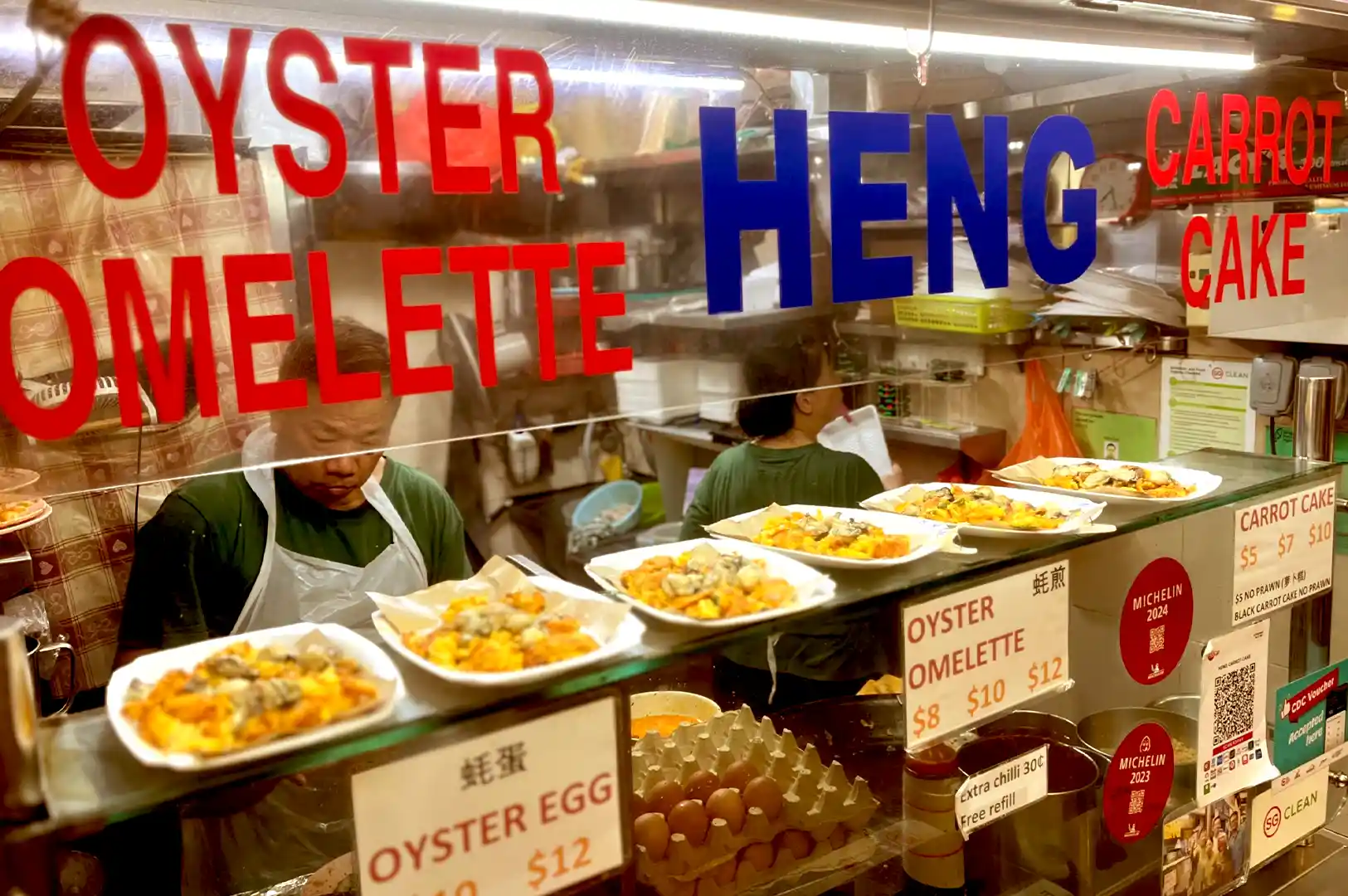
There’s a short reset after every plate leaves the counter. It’s brief, sometimes only a few seconds, but it’s consistent. The wok is momentarily still. The hands return to neutral positions. Ingredients are repositioned. The surface clears just enough to read the scene again.
That’s where the photograph is.
Not in the peak of action, but in the transition.
To get there, you need to understand the cycle. One order finishes. A pause follows. The next begins. The length of that pause tells you everything—how busy the stall is, how experienced the cook is, how tightly the workflow is managed.
I don’t raise my camera until I can predict that pause.
Once I see it repeat a few times, I know where to stand. Not directly in front, not too close. Slightly off to the side where the hands separate instead of overlap. That angle matters more than the subject itself. It determines whether the image feels readable or cluttered.
Settings are decided early.
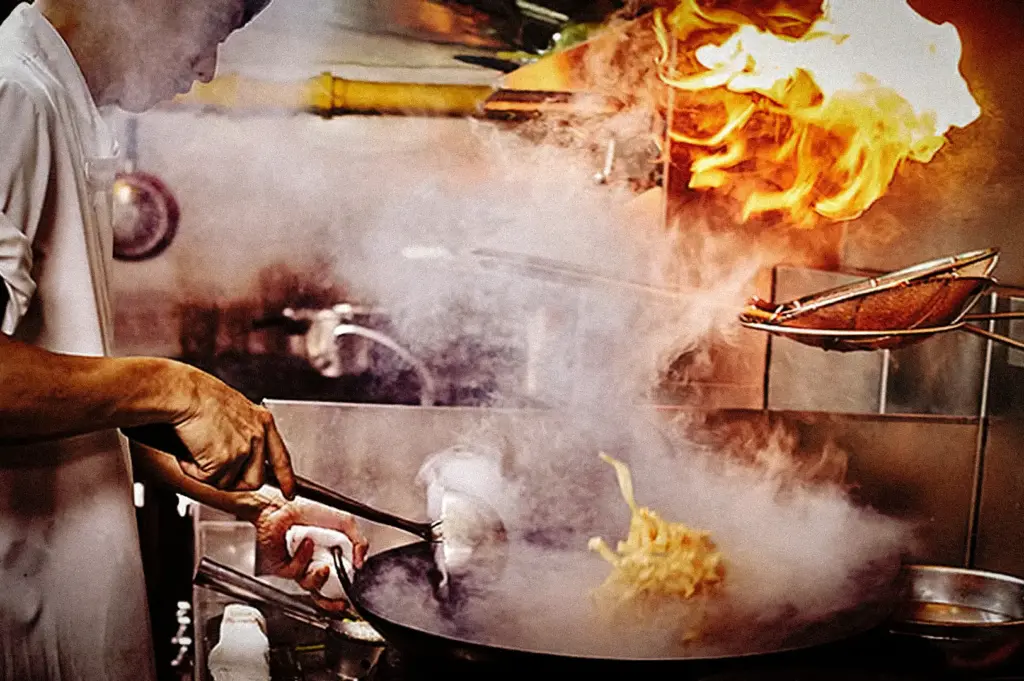
Steam is the biggest variable. If you expose for the flame, you lose the texture of the food. If you expose for the food, the flame becomes flat. I adjust before the first shot, not after. There’s no time to correct once the cycle begins.
When the order completes, I move.
Not forward, just enough to align with the reset. The hands slow down. The surface clears. That’s when I take the shot.
One frame, sometimes two.
Then I step back again.
I don’t shoot continuously. It disrupts the rhythm—not just theirs, but mine. If I chase every movement, I lose the structure I’ve been tracking. The goal isn’t to capture everything. It’s to capture the moment that represents the system.
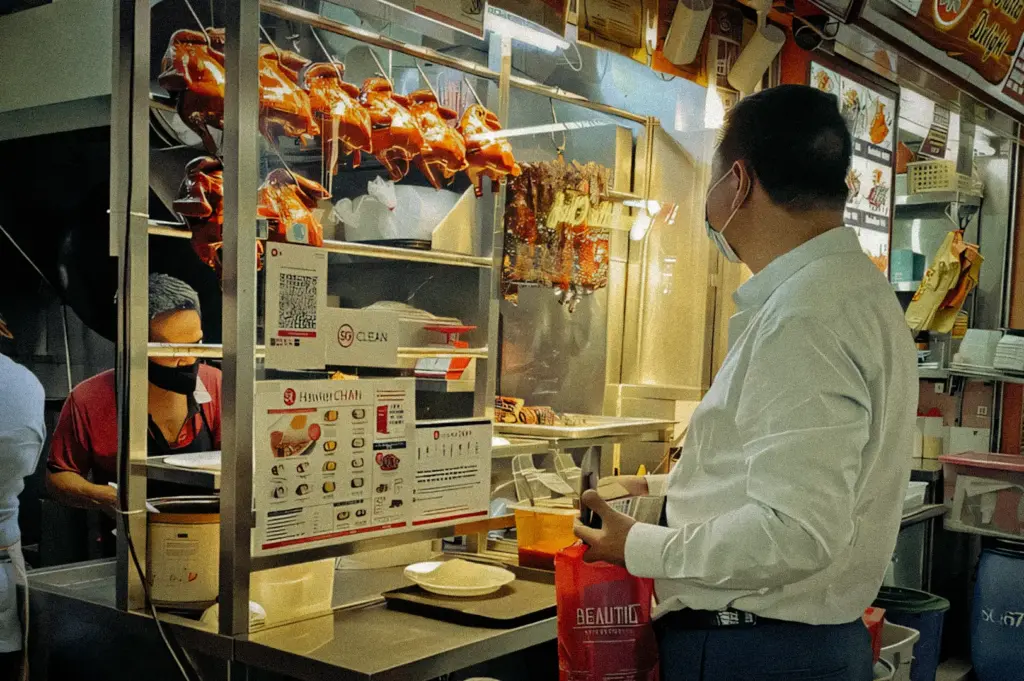
Between orders, the system reveals itself.
You see how the tools are arranged. Which ingredients are within immediate reach, which require a step. How the cook transitions from one task to another without hesitation. These are small details, but they define the workflow more clearly than any action shot.
During peak hours, the pauses shorten.
That’s when it becomes more difficult. The reset is still there, but compressed. You have less time to react, less margin for error. In those situations, I rely more on anticipation than adjustment. The camera is already in position before the plate leaves the counter.
If I miss it, I wait for the next cycle.
There’s no need to force it. The pattern repeats. That’s the advantage of working within a system—you’re not dependent on a single moment.
By the time I take my final shot, I’ve already seen the entire process multiple times. The image isn’t a discovery. It’s a confirmation.
I leave once I know I’ve captured the structure.
Not the busiest moment, not the most dramatic one. Just the clearest representation of how the stall operates when no one is looking for it.
Because that’s the part that stays consistent.
And consistency is easier to photograph than movement, if you know where to stand and when to wait.