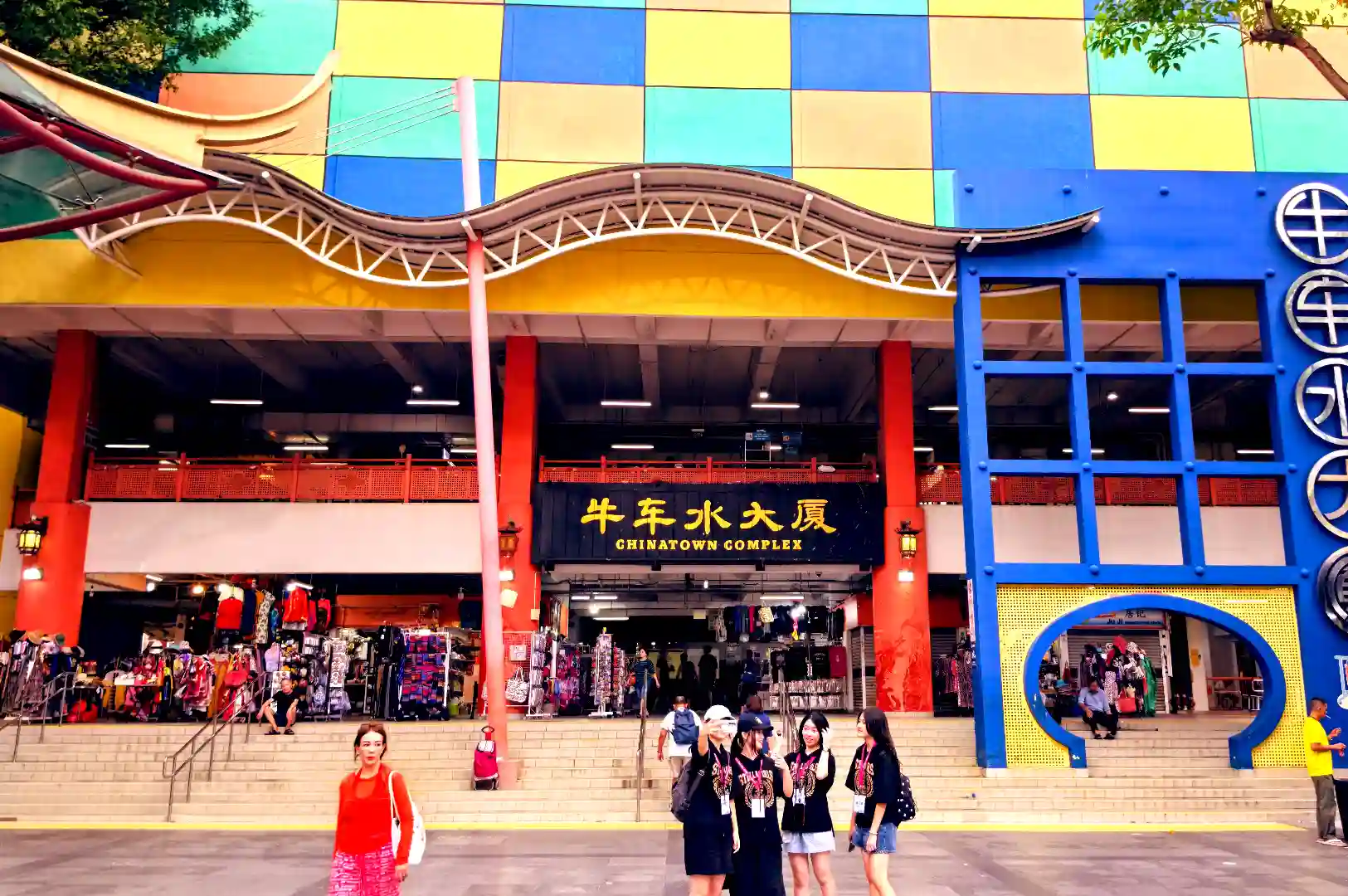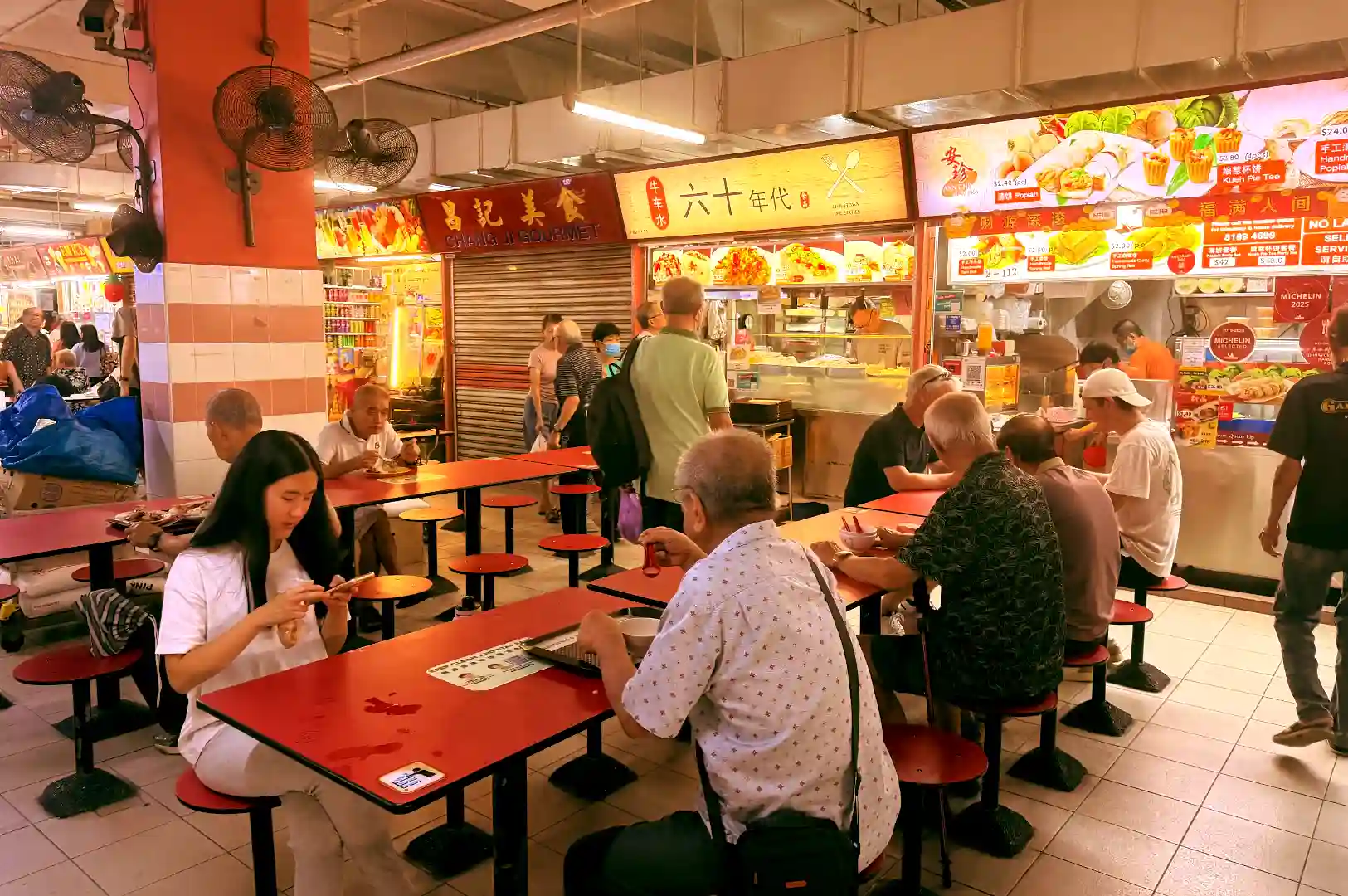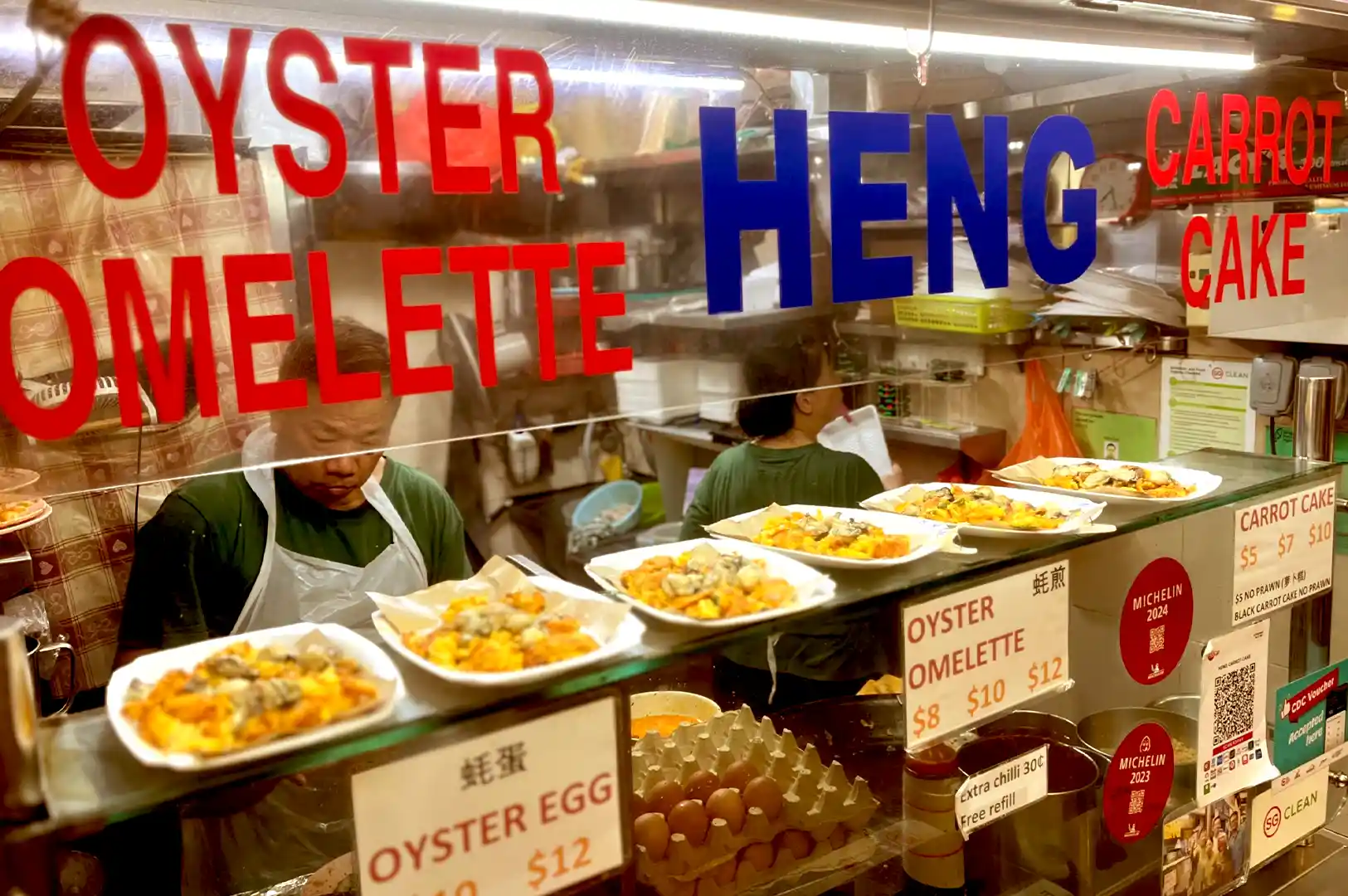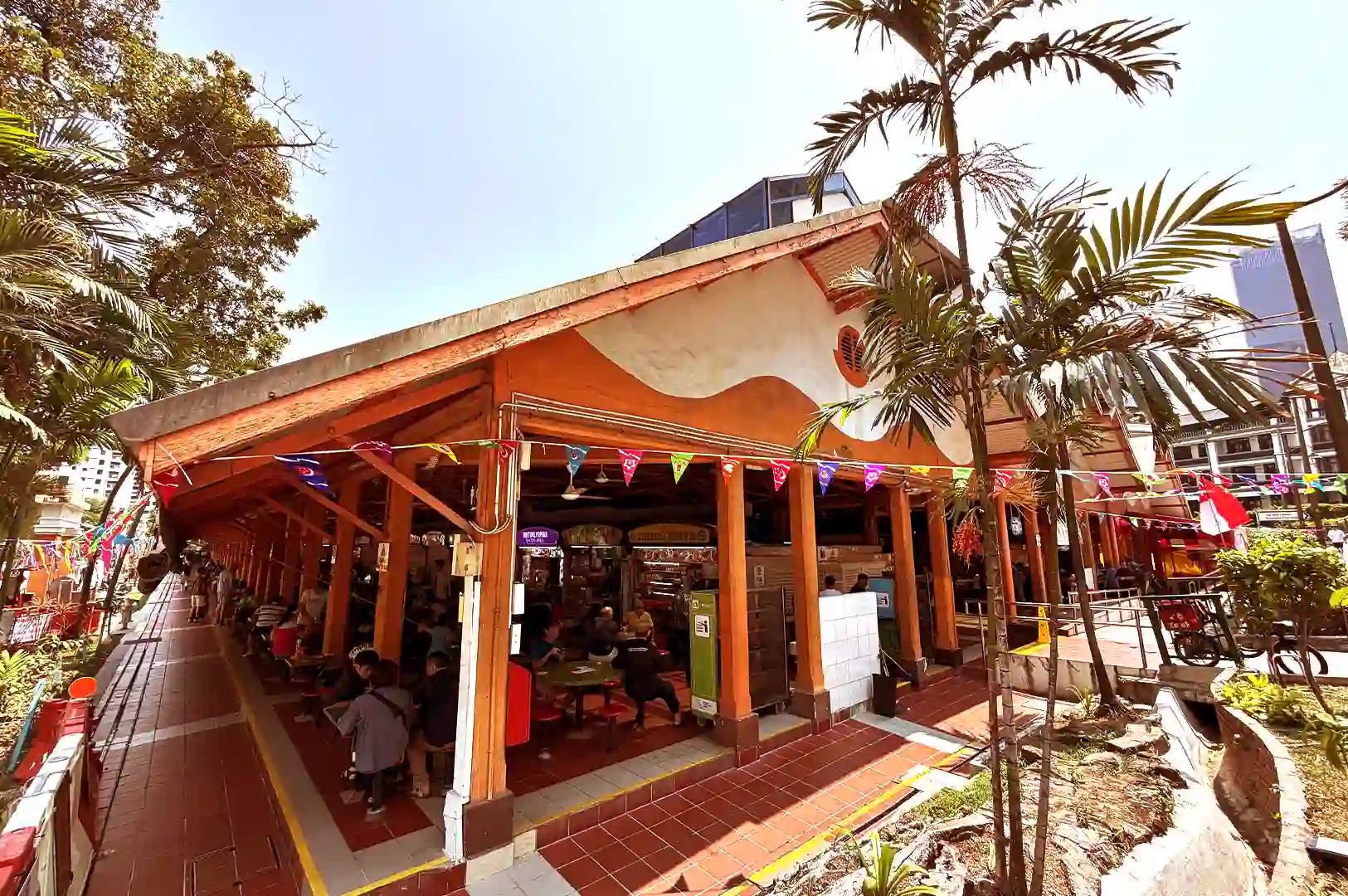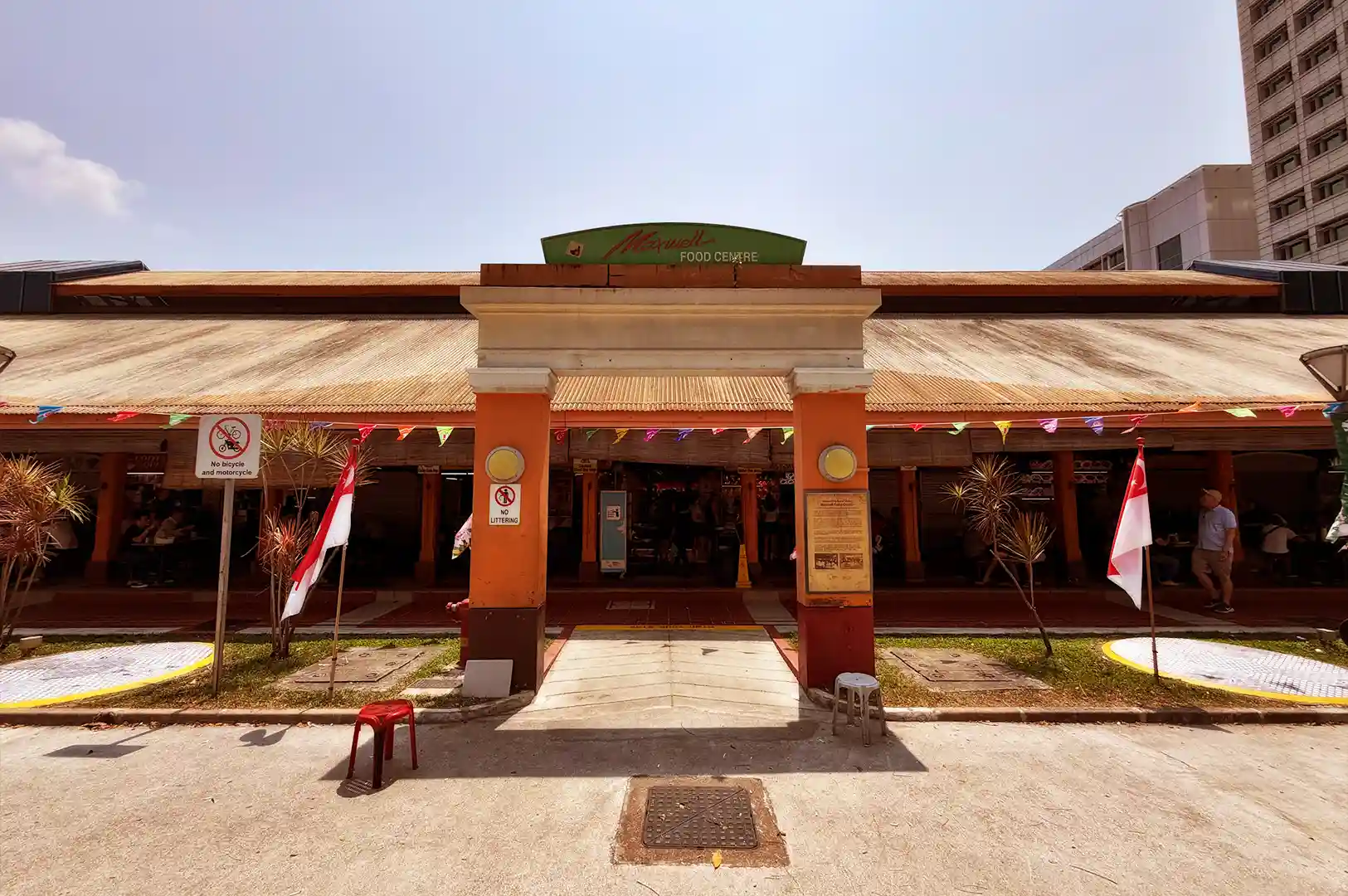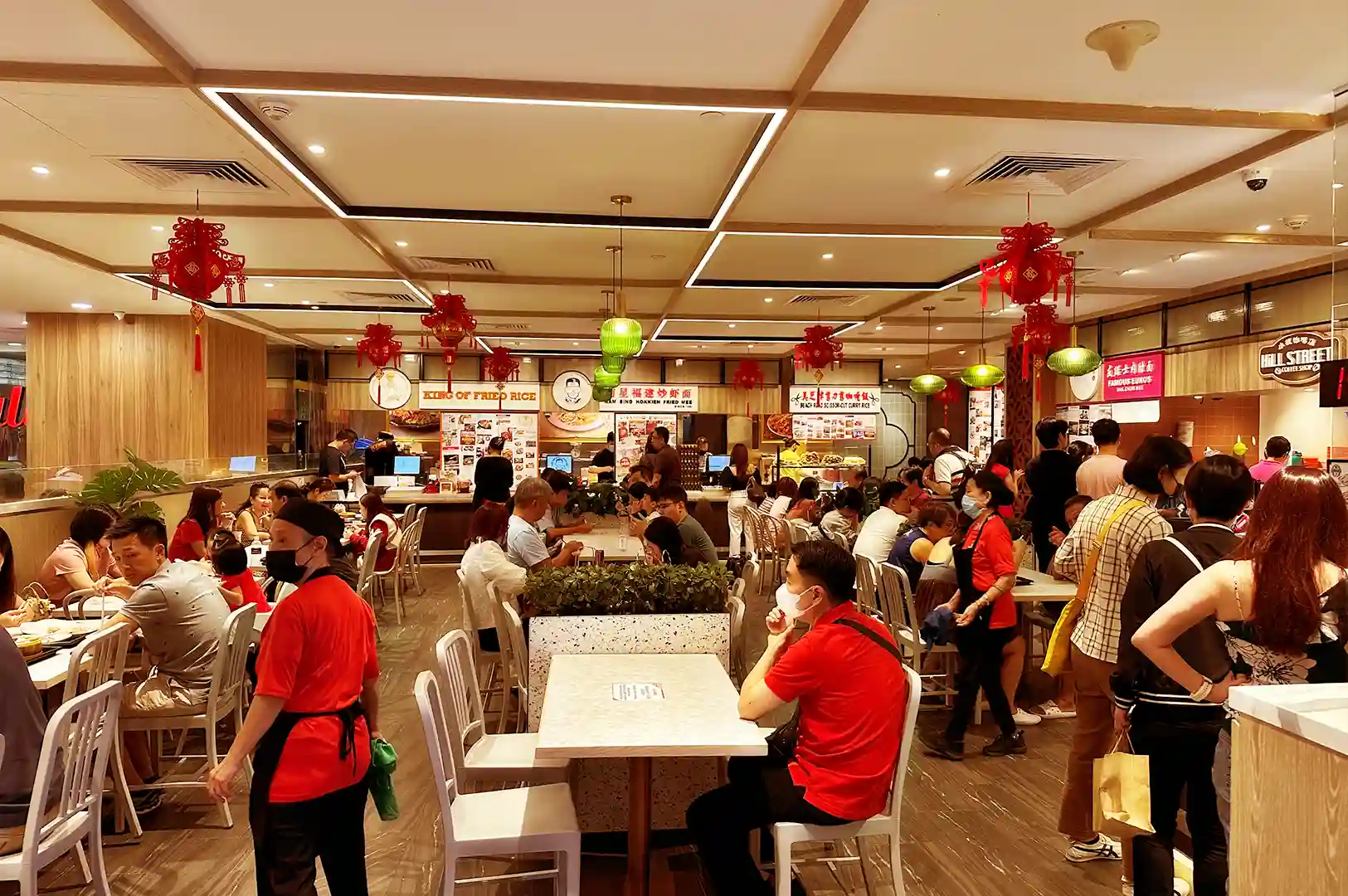

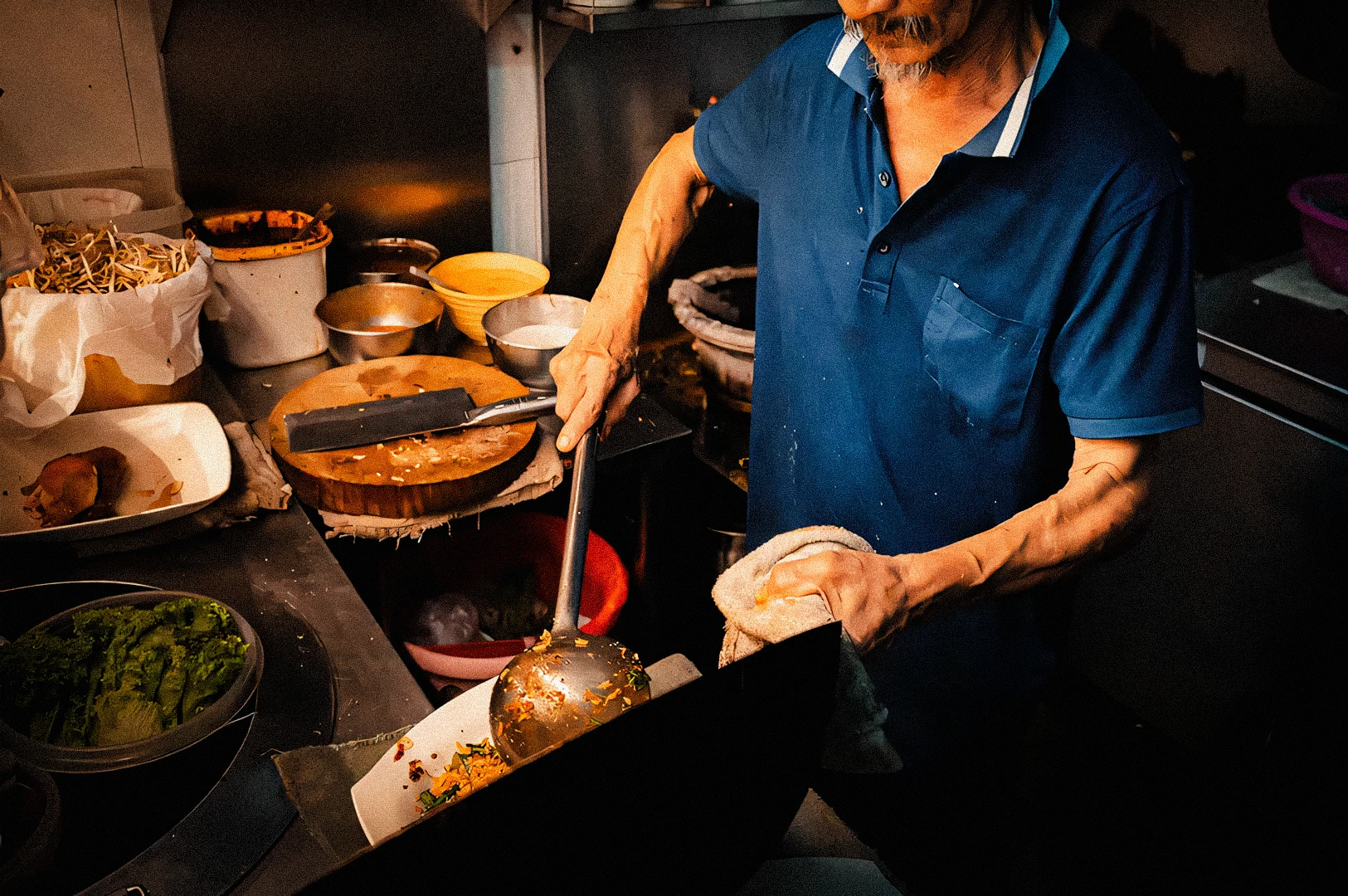
We do not begin with what is new.
We begin with what remains.
Each visit is recorded from the same position, at the same hour where possible. The counter, the arrangement of tools, the direction of movement—these are our reference points. Without them, change has no measure.
At first, nothing appears different.
The stall opens as it did before. The same surfaces are wiped. The same sequence of preparation unfolds. Orders move through at a familiar pace. If there are changes, they do not present themselves immediately.
We continue to observe.
Over time, small variations emerge. A container is replaced. An ingredient is stored in a different position. A movement shortens by a fraction of a second. These adjustments do not interrupt the workflow. They are absorbed into it.
No announcement is made.
The stall does not indicate that anything has changed. There are no visible markers, no clear before or after. What shifts does so within the structure that already exists.
We rely on repetition to make these differences visible.
By returning under similar conditions, we reduce variables that might obscure what we are tracking. Light, timing, and position are kept as consistent as possible. What remains is the stall itself, and the way it adjusts over time.
Some changes persist. Others revert.
A new setup may appear for several visits, then disappear without explanation. A tool may move once and remain in its new position indefinitely. Not all changes carry equal weight.
We record them without interpretation.
The objective is not to explain why the stall has changed, but to establish that it has. Each image becomes part of a sequence, not a standalone moment.
Over time, the differences accumulate.
Individually, they are minor. Together, they form a record of quiet adaptation—changes that occur without instruction, without interruption, and without notice, except through continued observation.