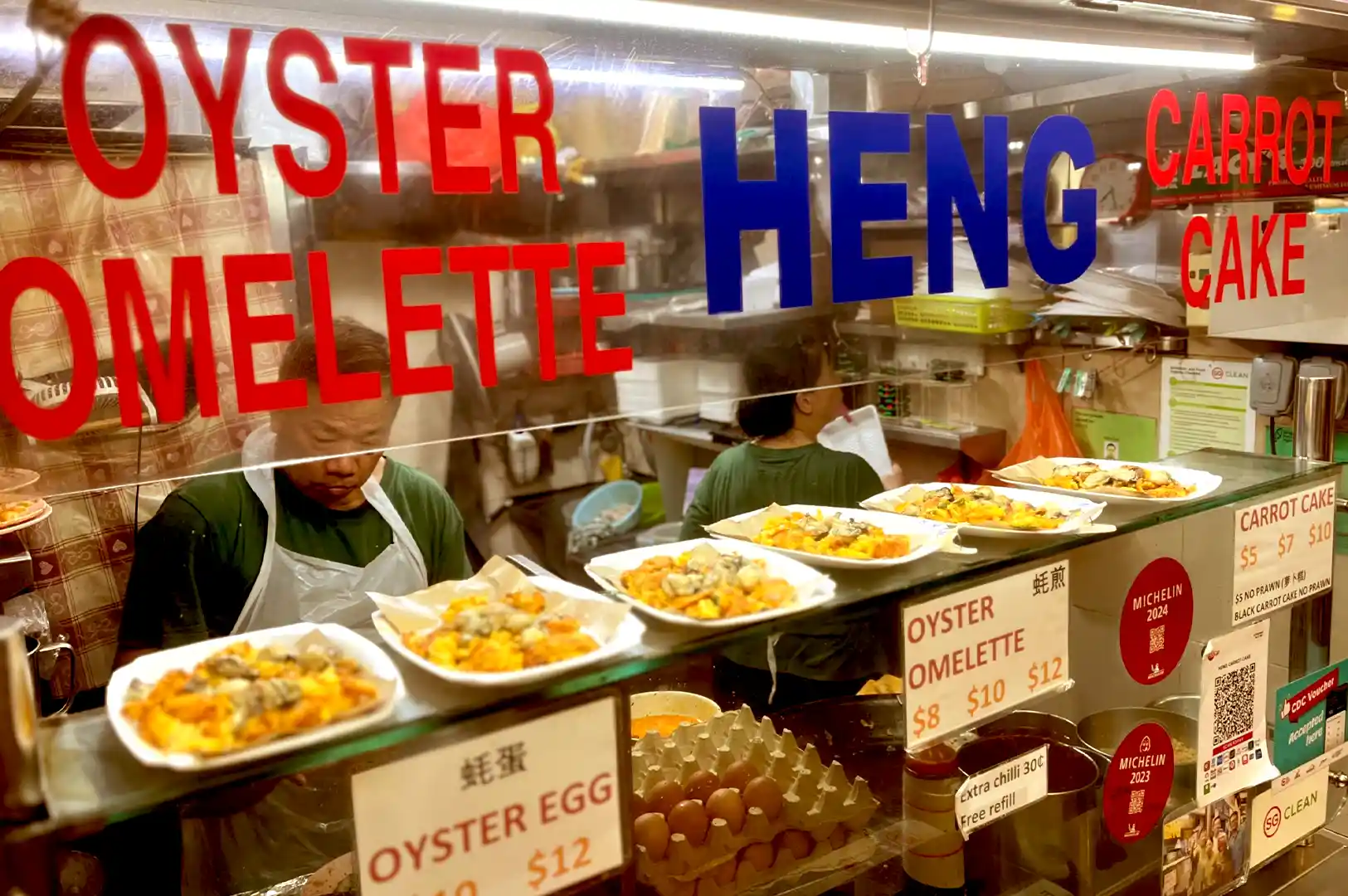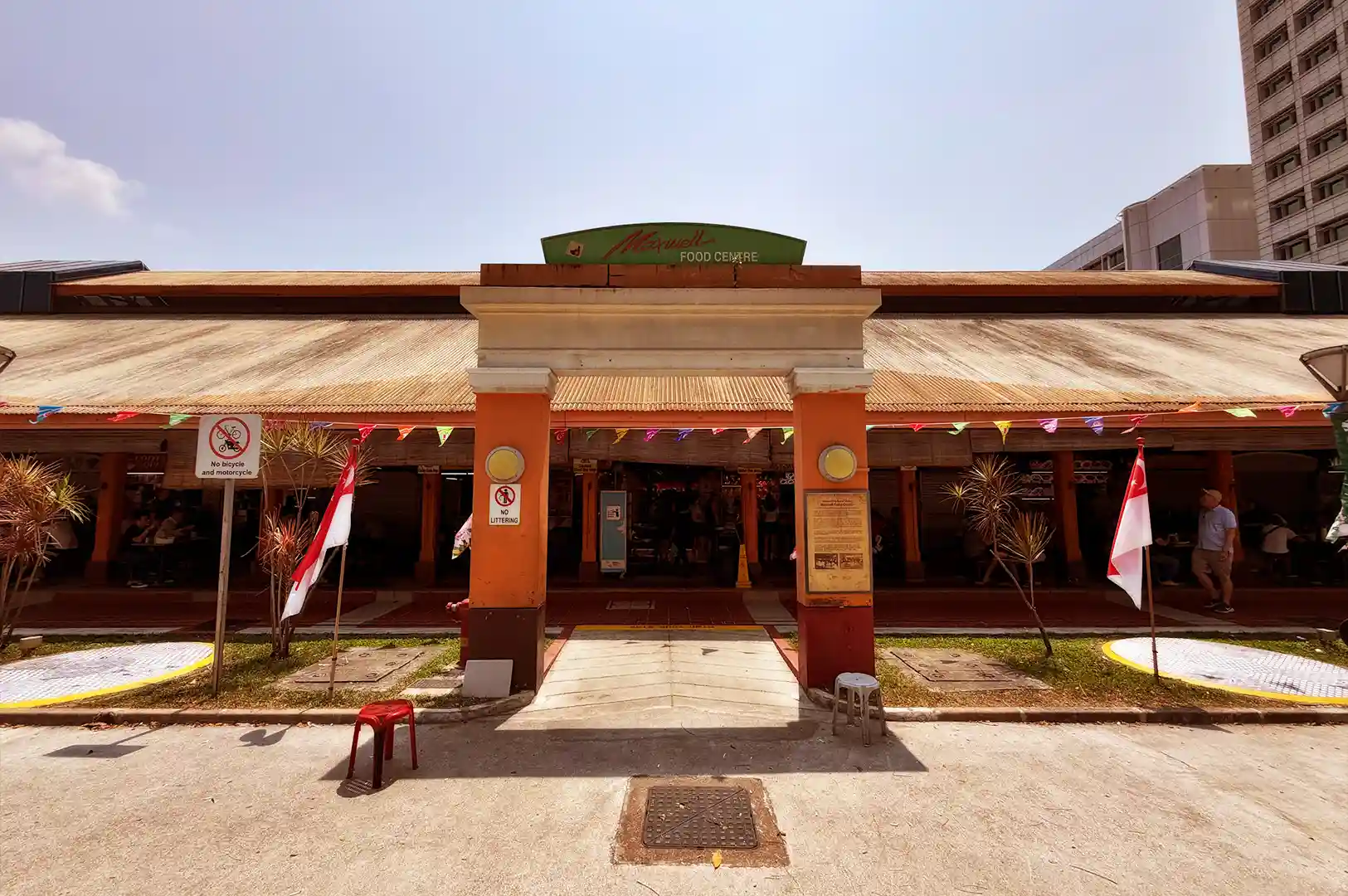

I arrived just before lunch and found only two people waiting. The stall moved at a steady pace. Ingredients were portioned, assembled, and served without urgency. Between orders, there were small pauses.
A utensil was returned to its place. Containers were restocked. The work surface was wiped down before the next order arrived.
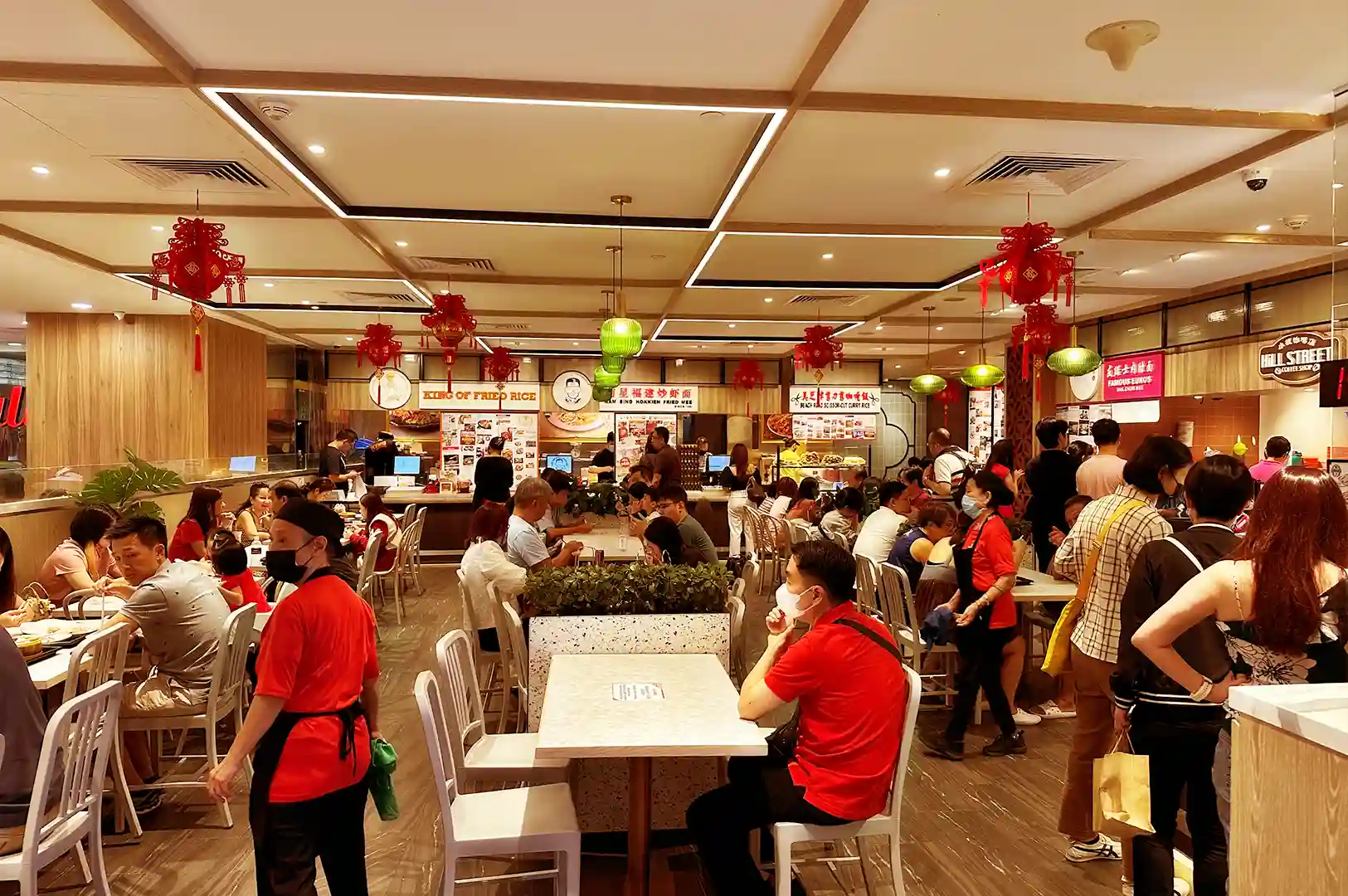
An hour later, the same stall looked completely different.
The queue stretched several metres into the aisle. Customers joined the line faster than orders could be completed. Conversations became shorter. Trays accumulated more quickly. From a distance, it appeared as though everything had accelerated.
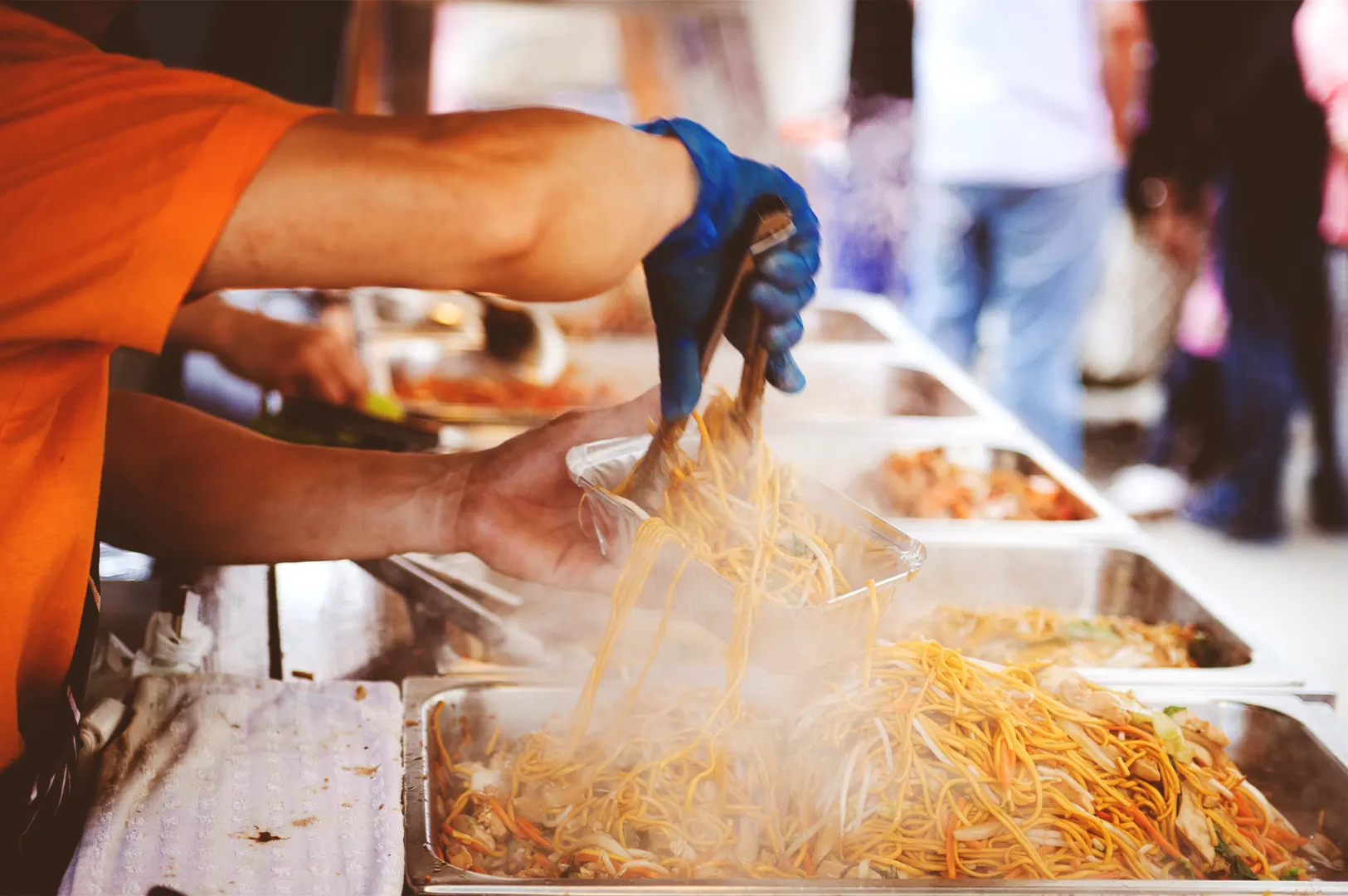
Behind the counter, however, very little had changed. The same sequence remained in place.
Ingredients were retrieved from the same locations. The same motions followed one another in the same order. A portion was prepared before the next one began. Bowls were assembled using identical steps. Finished orders moved to the collection point before another cycle started.
The pace had increased, but the method had not.
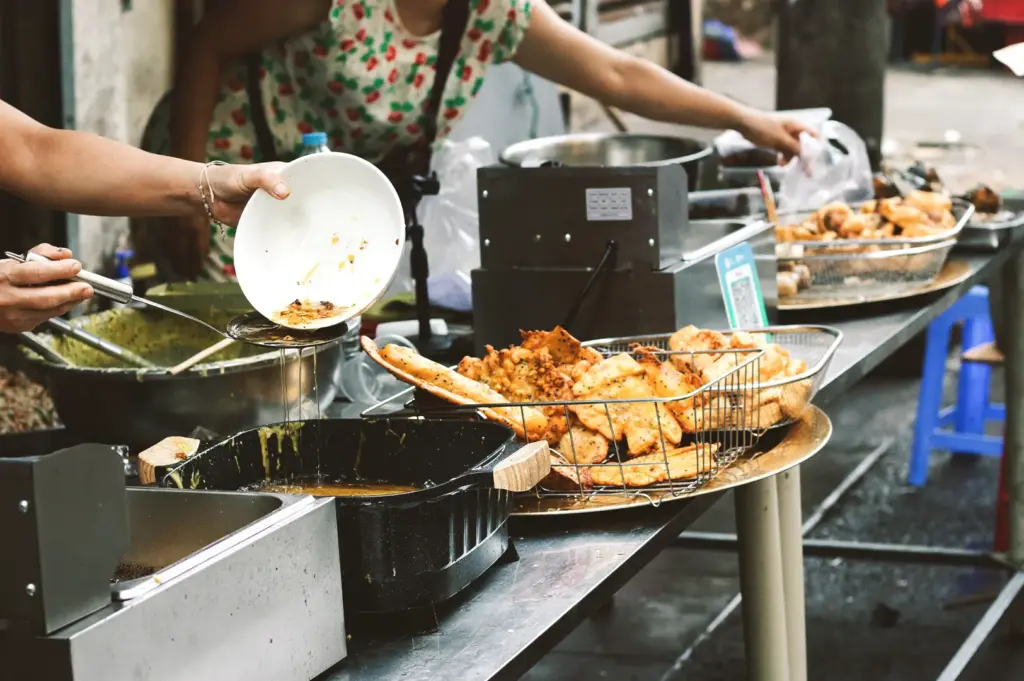
This becomes easier to observe during repeat visits. Many stalls are designed around repetition. Equipment is positioned to minimise movement. Ingredients remain within easy reach. The workflow has often been refined over years of daily service.
During quieter periods, these systems are less visible because there is more time between actions.
During a rush, the structure becomes obvious.
Every motion has a purpose. Every step leads directly to the next. There is little hesitation because the sequence has already been established. The queue may grow or shrink throughout the day, but the process remains remarkably consistent.
What changes is timing. The pauses become shorter. Tasks overlap more frequently. Restocking happens between orders rather than after them. Yet the underlying workflow stays intact.
Watching a stall during both a lull and a rush reveals something important. Efficiency does not necessarily come from working differently under pressure. More often, it comes from trusting a method that already works.
The crowd changes. The pace changes. The sequence remains the same.