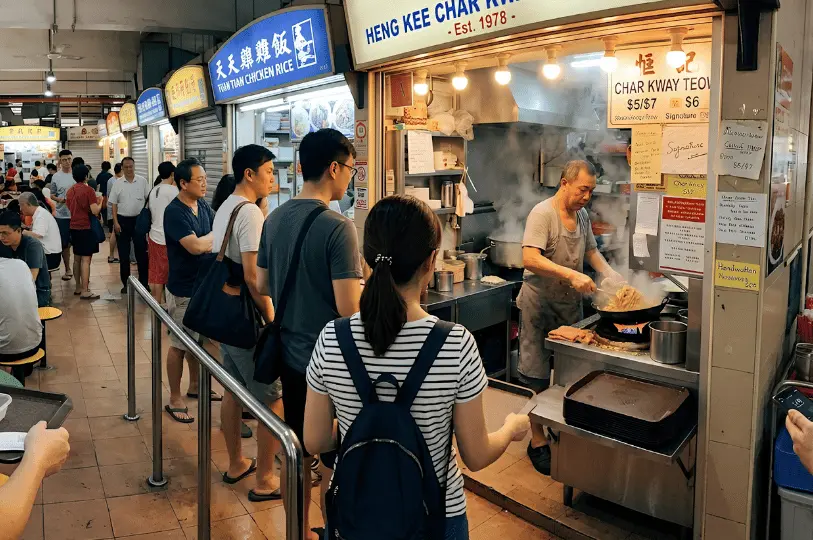
I thought I came for the food.
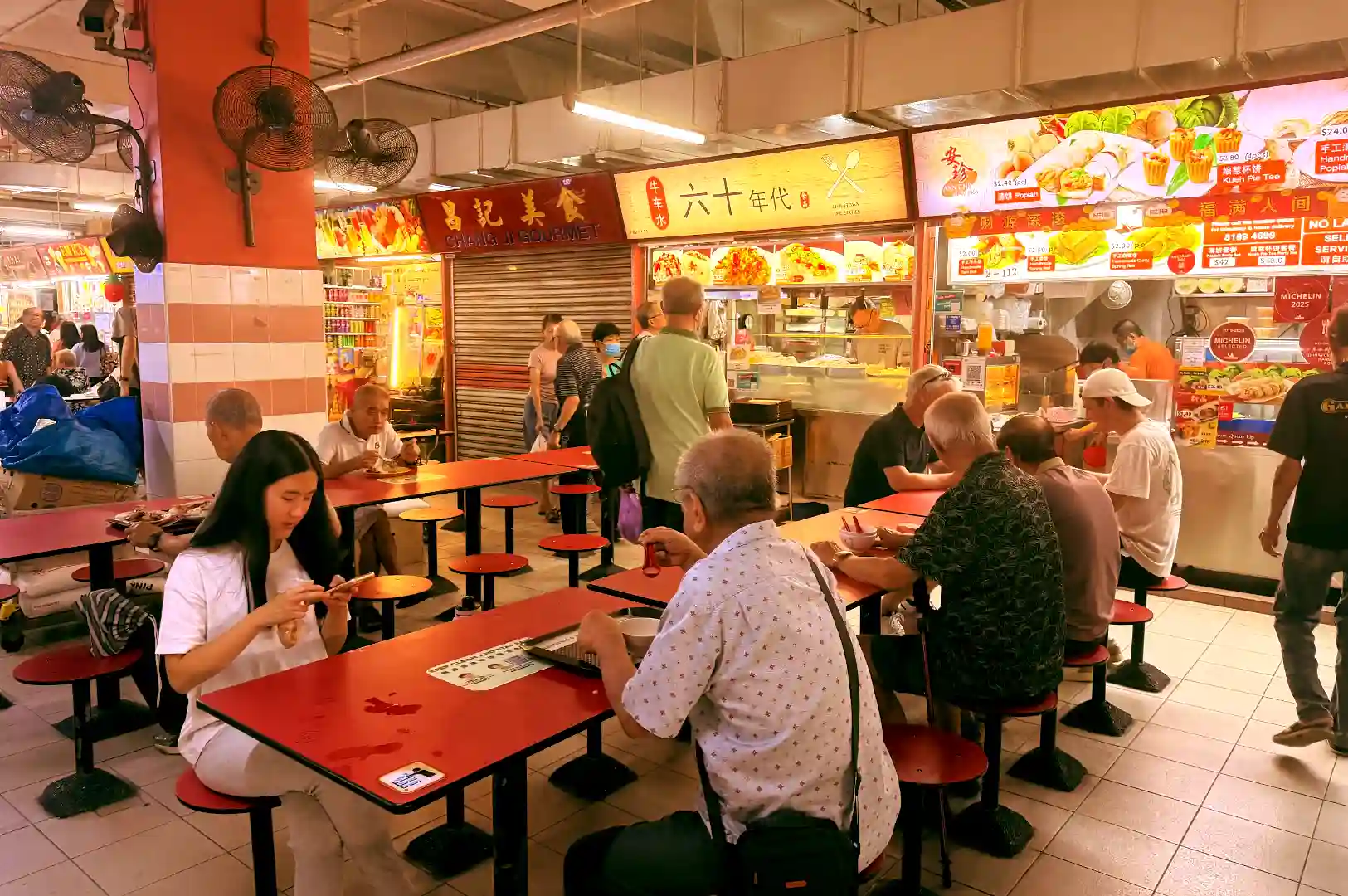
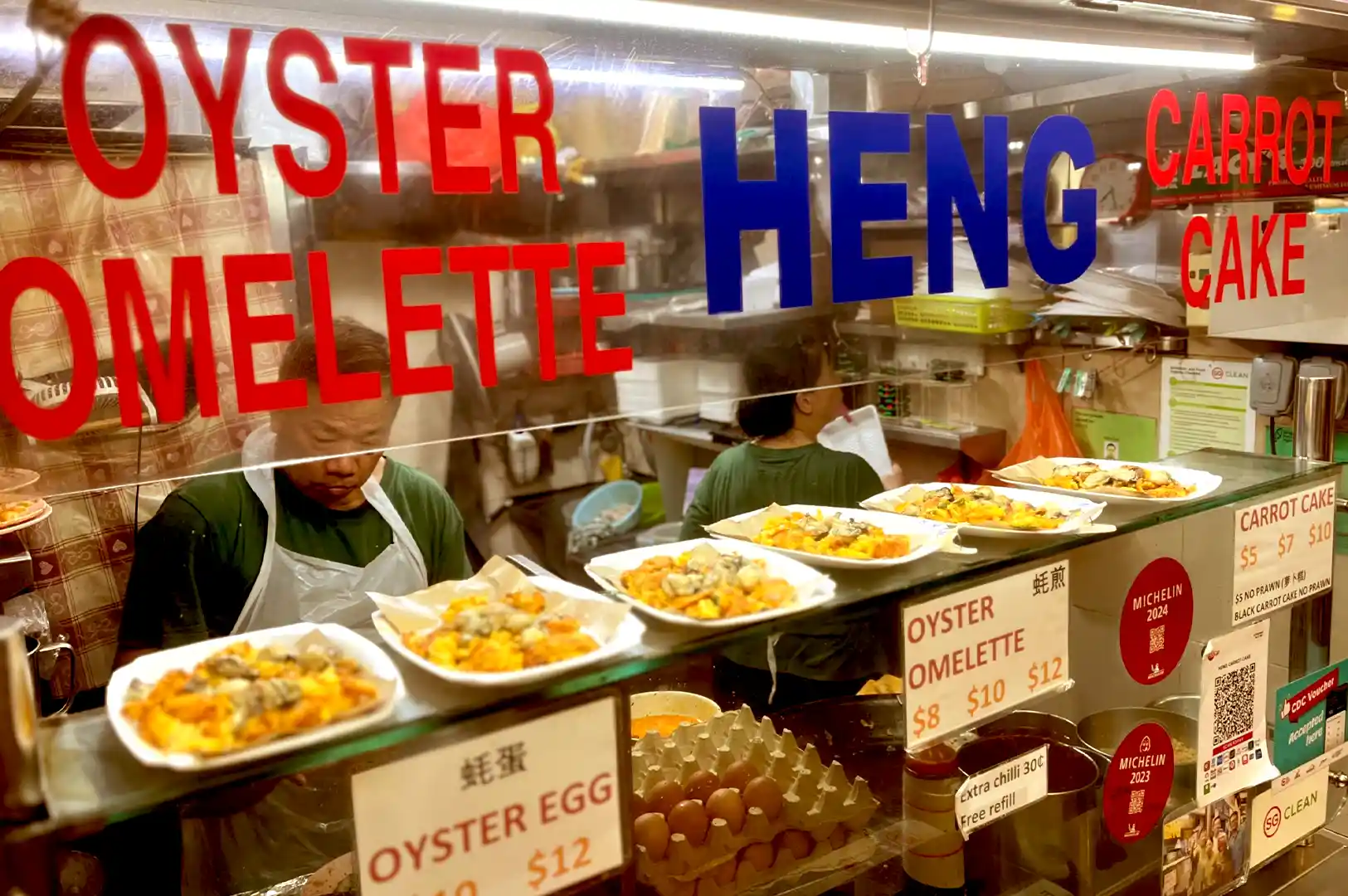
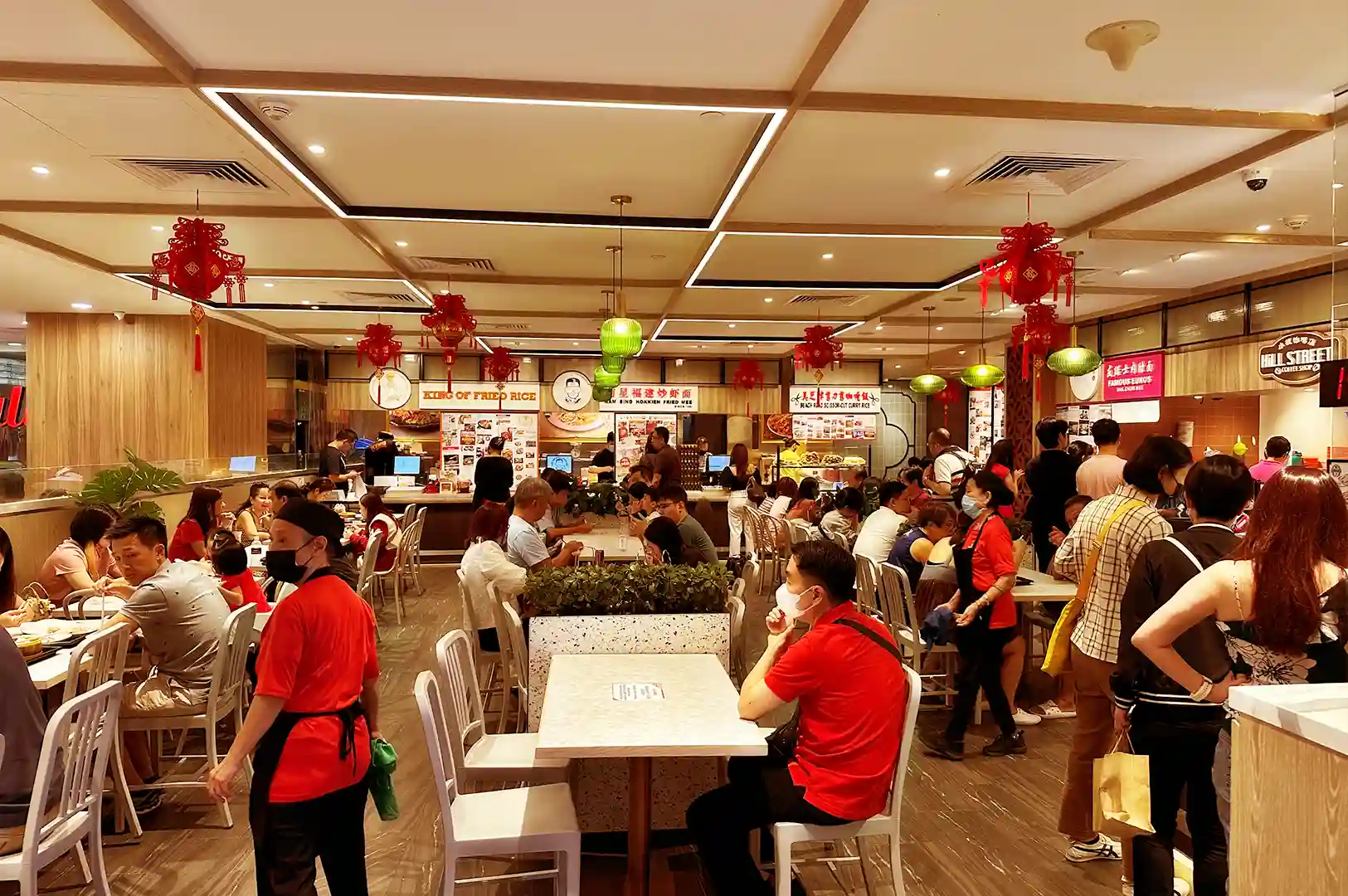
That was the simple reason I gave myself as I joined the queue, stepping into a line that had already formed before I arrived. It moved slowly, but not in a way that felt impatient. Just a steady forward shift, measured in small steps and quiet pauses.
I didn’t check how long it would take.
There’s a different sense of time when you’re waiting without urgency. You begin to notice things that don’t belong to you—the way orders are called, the rhythm of hands moving behind the counter, the soft adjustments people make as the line reshapes itself.
I watched more than I expected to.
Not just the stall, but the spaces in between. Someone stepping aside to let another pass. A tray being set down and picked up again. The way people look forward, then away, then back again, as if confirming the line is still moving.
Nothing holds your attention for long.
But together, it becomes something.
The waiting stretches just enough for you to settle into it. You stop thinking about what you ordered. The food becomes distant, almost secondary. What remains is the act of being there, suspended in a shared pause with everyone else who has chosen to wait.
By the time I reached the front, it felt quieter.
Not because the space had changed, but because I had. The movement behind the counter no longer felt separate from the line. It felt connected, part of the same rhythm I had been standing inside.
I collected the plate without thinking too much about it.
Sat down. Took a few bites. It was good, in the way I expected it to be. Nothing surprising, nothing that needed to be held onto.
But it passed quickly.
The plate emptied. The table cleared. The moment of eating folded into something smaller than the time that came before it.
If you’ve ever found yourself standing longer than expected, you might recognise this feeling in Waiting, Standing, Eating: A Night at Chomp Chomp, where the time between ordering and eating begins to take on a shape of its own.
When I left, I tried to recall the meal.
But what stayed was the waiting—the slow movement forward, the quiet attention, the feeling of being part of something that didn’t need to hurry.
It lingered longer than the taste ever did.